Water and Health
Benefits of Drinking Water, and the Claims the Evidence Does Not Back
See each benefit sorted by its evidence, the amounts you need, and when to ask a doctor.
 By the Glubbo Editorial Team · Updated Oct 19, 2026 · 10 min read
Short answer
Real benefits, and fewer than the labels claim.
- The NIDDK calls water the most important thing you can do to prevent kidney stones.
- Swap a 12-oz regular soda for water and you save about 155 calories (CDC).
- Aim for 6 to 8 cups or glasses of fluid a day, more if you have had a stone (NHS).
Drinking enough water keeps you from getting dehydrated, and that is its main benefit. Health bodies back three more: fewer kidney stones, easier bowel movements alongside fiber, and fewer calories when water replaces sugary drinks. Clearer skin, a faster metabolism and "detox" appear on none of the health pages cited below.
What Are the Benefits of Drinking Water?
The CDC says water:
- Keeps your body temperature normal.
- Cushions your joints and spinal cord.
- Carries waste out in urine, sweat and stool.
Drinking enough also prevents dehydration, which the CDC links to unclear thinking, mood change, overheating, constipation and kidney stones. Water has no calories, so it adds nothing to your daily energy.
Most of this happens without any effort from you, as long as you drink to thirst and with meals. The benefit of drinking more shows up only when you were drinking too little, or when you have a condition that needs extra.
Four situations raise your need:
- Hot climates.
- More activity.
- A fever.
- Diarrhea or vomiting.
On those days the gap between "enough" and "too little" opens fast.
Which Benefits of Drinking Water Have the Best Evidence?
Kidney stones have the strongest backing: the NIDDK calls drinking enough liquid, mainly water, the most important thing you can do to prevent them. Next come constipation, where fluids work beside fiber, and calories, where swapping sugary drinks has a number.
Six claims, sorted by how strong the evidence is
Kidney stones
Strongest backing
- NIDDK: the most important step
- UK advice: 2.5 to 3 liters for adults
Suits you if you have had a stone.
Constipation
Works beside fiber
- Plenty of water and other fluids
- Add fiber gradually
Suits you if you go fewer than three times a week.
Bladder infections
One trial, a narrow group
- 3.2 → 1.7 infections a year
- Women drinking under 1.5 L a day
Suits you if you keep getting bladder infections and drink little.
Fewer calories
Plain arithmetic
- A 12-oz soda: about 155 calories
- Water: none
Suits you if you drink soda or juice drinks every day.
Energy and focus
Only when you are short
- Dehydration: tired, unclear thinking
- Lab studies took water away first
Suits you if your slumps come with dark pee and thirst.
Medicines that dry you out
Your prescriber sets it
- Ozempic: drink fluids
- No amount on the label
Suits you if you take a GLP-1 medicine and feel sick.
Kidney Stones
The NIDDK puts it plainly: "Drinking enough liquid, mainly water, is the most important thing you can do to prevent kidney stones." On its treatment page it explains that enough liquid keeps your urine diluted and helps flush away the minerals that form stones.
The amounts differ by source. US guidance says six to eight 8-ounce glasses a day unless you have kidney failure; the NHS tells adults 2.5 to 3 liters. Two trials have tested whether drinking more stops a stone coming back.
Constipation
Fluids help, as part of a change to what you eat. The NHS constipation page advises you to "drink plenty of water and other fluids and avoid alcohol", and to increase the fiber in your diet gradually. It defines constipation as fewer than three bowel movements in the last week, or going less often than usual.
Water does its work beside fiber, so the useful question is how much to drink as you add fiber, and which signs need a doctor.
Repeat Bladder Infections
One trial backs this, and it fits a narrow group. In a 12-month trial of 140 premenopausal women who kept getting bladder infections and drank under 1.5 liters of fluid a day, adding 1.5 liters of water cut infections from 3.2 to 1.7 per woman. Danone Research, which sells bottled water, paid for it.
Both health services advise plenty of fluids, mainly water, to help prevent UTIs, without a set amount. Before you copy the trial's extra 1.5 liters, check whether you match the women it tested.
Fewer Calories From Drinks
This one is arithmetic, and the CDC's Rethink Your Drink table does it for you.
Two regular sodas a day add up to the 2,100 calories a week the CDC counts. That soda also carries 10 teaspoons of sugar, more than a woman's whole day of added sugar by the AHA's measure.
Water as a weight-loss tool on its own is weaker. Two small trials found 1 to 2 kg of extra loss over 12 weeks from a glass before meals, and both had limits worth knowing before you count on it.
Energy, Mood and Focus
Being short of water can make you feel worse. The CDC lists unclear thinking and mood change among the effects of dehydration, and the NHS names feeling tired, headache and feeling light-headed. Whether a glass of water fixes an afternoon slump is a narrower question: the lab studies first took water away from people, then measured which parts of mood and thinking changed, and at what loss.
Two other signs of being short have pages of their own: a dehydration headache and a racing heart.
A fall in blood pressure when you stand is the third, and dehydration and low blood pressure covers that link.
- 3.2 → 1.7
- UTIs per year when low-intake women added 1.5 L of water
- 155 cal
- saved by swapping one 12 oz soda for water
- 150 qt
- of blood your kidneys filter every day
Does Drinking Water Help Your Skin?
The evidence is thin. A 2018 systematic review of six low-quality studies found that extra water slightly raised skin hydration readings in some people who started with low intake, but no study showed it cleared acne or wrinkles. The review concluded only that extra water "may increase stratum corneum hydration," the outer layer of the skin.
Dermatologists start with moisturizer on damp skin, not extra glasses. Drinking enough to avoid dehydration matters for skin like it matters for every organ, but no study has shown that drinking more than enough improves it.
Does Water Speed Up Your Metabolism?
No health body backs this claim, which goes back to a 2003 study of 14 volunteers whose metabolic rate rose 30 % after 500 ml of water, peaking 30 to 40 minutes later. Its authors put the gain from 2 liters a day at about 400 kJ, roughly 95 calories. The CDC, the NHS and the NIDDK list water's benefits without mentioning metabolism, and the calorie savings from water come from swapping sugary drinks, not from burning more.
Medicines That Dry You Out
Some medicines raise your risk of dehydration through their side effects. The FDA prescribing information for Ozempic warns that diarrhea, nausea and vomiting can lead to dehydration and kidney problems, and tells patients to drink fluids to lower that risk. It gives no amount.
That gap is why your prescriber sets the number, and why it pays to know the signs that a GLP-1 medicine is drying you out.
What Drinking Water Does Not Do
Those claims fill bottle labels and 30-day challenge videos, while the official reports talk about avoiding dehydration and about specific conditions such as stones.
Claims water does not back up
5 items- Clearer skin: weak, small studies only
- Flushing out toxins: your kidneys already do the cleaning
- A faster metabolism: no health body backs it
- Losing weight on water alone: a small extra loss at best
- Warding off diabetes: no trial shows it
Your kidneys already do the cleaning. The NIDDK says they filter about 150 quarts of blood a day and turn only 1 to 2 quarts of it into urine, so extra water past your needs simply leaves as urine.
Skin has a little research behind it, all of it small. A 2018 review of six studies called the evidence weak; extra water slightly raised skin hydration readings, mostly in people who drank little before. For dry skin, dermatologists start with moisturizer on still-damp skin instead.
More is also not always safer. Drinking far more than you need in a short time can cause water intoxication, and in people with kidney disease a year of coached extra water left kidney function falling at the same rate.
How Much Water Do You Need to Get the Benefits?
Enough that your pee stays pale yellow through the day. The NHS puts that at about 6 to 8 cups or glasses of fluid a day for most people, more if you are pregnant, breastfeeding, in hot conditions or ill. Conditions such as kidney stones call for more, and your doctor may give you a number of your own.
| Who | Amount | Where it comes from |
|---|---|---|
| Most people, everyday | 6 to 8 cups or glasses of fluid a day | Eatwell water page |
| Preventing kidney stones (US) | Six to eight 8-oz glasses a day, unless you have kidney failure | Kidney stones nutrition page |
| Preventing kidney stones (UK), adults | 2.5 to 3 liters of water a day | Kidney stones page above |
| Constipation | "Plenty of water and other fluids", with more fiber | Constipation page above |
| On a GLP-1 medicine | No amount on the label; ask your prescriber | FDA |
Which Drinks Fit Into the 6 to 8 Cups?
Water, lower-fat milk and lower-sugar drinks, tea and coffee included, all count, and water is the cheapest and healthiest choice.
Your drink, and where it fits
- You want the default drinkWater
- You like tea or coffeeThey count; keep caffeine moderate
- You drink juice or smoothiesOne small glass (150 ml, 5 oz) a day, with a meal
- You drink sugary fizzy drinksSwap for water, or a sugar-free version
Whether juice and soda count toward your total has its own page. For a daily habit, Glubbo's goal formula starts from your weight and adjusts for activity, climate and sex; it is for healthy adults, never a medical amount, and never for children or in pregnancy. To get a number of your own, put your figures through the calculator.
Who Should Ask Before Drinking More Water?
Anyone who has been told to limit fluids, and anyone whose condition changes how much is safe. A few cases where the usual advice shifts:
- Chronic kidney disease: you may need to limit how much liquid you drink, and a dietitian or health care professional works out the amount with you.
- Kidney failure: the six-to-eight-glass stone advice does not apply.
- Cystine stones: you may need to drink even more than usual.
- A GLP-1 medicine: the label gives no amount, so your prescriber sets one.
- Pregnancy, breastfeeding, hot weather or illness: you may need more than 6 to 8 cups.
If a doctor has given you a number, it wins over every table on this page.
When Your Body Says You Are Short
Your pee and your thirst tell you first. The signs of dehydration include:
- Feeling thirsty.
- Dark yellow and strong-smelling pee.
- Peeing less often than usual.
- A dry mouth.
- Feeling tired.
The first step is to drink fluids.
You can check yourself at home in four ways, from the color of your pee to your weight in the morning. If you stay thirsty however much you drink, doctors look for a short list of causes.
One Drink Swap to Keep for a Week
- Check your pee at midday; pale yellow means you are on track.
- Swap one sugary drink for water and keep the swap for a week.
- If you have had a kidney stone, ask your doctor about a urine test and an amount of your own.
- Set a daily goal in the calculator and let reminders carry it.
General information for healthy adults, not medical advice. If a doctor has set your fluid amount, follow that.
All Guides in Water and Health
Every guide, A to ZYour Body 14 guides
Water is often sold as a cure for everything. These guides take one claim at a time and report what the trials found, including the places where the evidence is thin.
Your Body page Does Drinking Water Help You Lose Weight? What the Trials Found
 How Much Water to Prevent Kidney Stones, in Glasses and Liters
 Does Drinking Water Help Constipation? How Fiber and Fluid Work
 Does Drinking Water Help Prevent UTIs? What a 140-Woman Trial Found
 Does Drinking Water Help Your Skin? What the Small Trials Show
 How Much Water to Drink on Ozempic, and What the FDA Label Says
 Can Dehydration Cause Low Blood Pressure? Signs and What to Do
 Why Is My Mouth Always Dry? Dehydration and the Other Causes
 Can Dehydration Cause Bloating? What Water Helps and What Bloats
 Can Dehydration Cause Diabetes? Which Way the Link Really Runs
 Does Drinking Water Lower Blood Sugar? What Small Trials Found
 Is Drinking Water Good for Your Kidneys? What the Trials Show
 Does Dehydration Cause Gout? Water, Flares and What to Drink
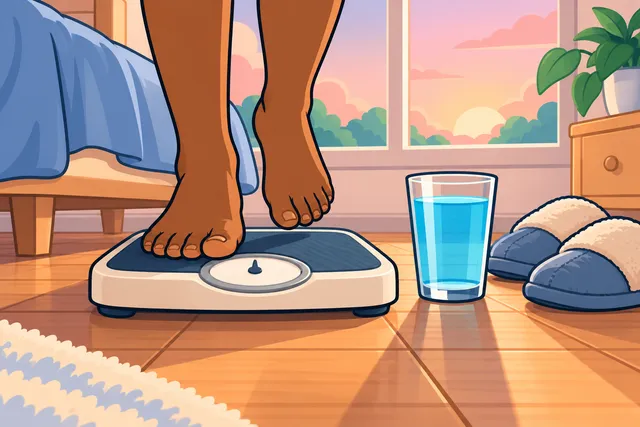 Can Dehydration Cause Weight Loss? Why the Scale Moves Every Day
Energy and Focus 1 guide


Sources
- CDC. About Water and Healthier Drinks, 2026.
- CDC. Rethink Your Drink, 2026.
- National Institute of Diabetes and Digestive and Kidney Diseases (NIDDK). Eating, Diet, and Nutrition for Kidney Stones, 2017.
- National Institute of Diabetes and Digestive and Kidney Diseases (NIDDK). Treatment for Kidney Stones, 2017.
- NHS. Constipation, 2023.
- NHS. Dehydration, 2026.
- NHS. Water, drinks and hydration, 2023.
- NHS. Kidney stones, 2026.
- JAMA Internal Medicine (Hooton and colleagues). Effect of Increased Daily Water Intake in Premenopausal Women With Recurrent Urinary Tract Infections: A Randomized Clinical Trial, 2018.
- Skin Research and Technology (Akdeniz and colleagues). Does dietary fluid intake affect skin hydration in healthy humans? A systematic literature review, 2018.
- Journal of Clinical Endocrinology and Metabolism (Boschmann and colleagues). Water-induced thermogenesis, 2003.
- National Institute of Diabetes and Digestive and Kidney Diseases (NIDDK). Your Kidneys & How They Work, 2018.
- Journal of Athletic Training (National Athletic Trainers' Association). National Athletic Trainers' Association Position Statement: Fluid Replacement for the Physically Active, 2017.
- US Food and Drug Administration. OZEMPIC (semaglutide) injection: prescribing information, 2026.
Sources checked by the Glubbo Editorial Team on Oct 19, 2026. General information, not medical advice. How we write and check our guides.

