Drinking Habits · When to Drink
Best Time to Drink Water Through Your Day, From Waking to Bed
 By the Glubbo team · Updated Oct 16, 2026 · 6 min read
On This Page
Spread it from waking to evening.
No time of day is proven best. The US National Academies found that drinking when thirsty and with meals keeps most healthy people hydrated; workouts are the one time with firm numbers.
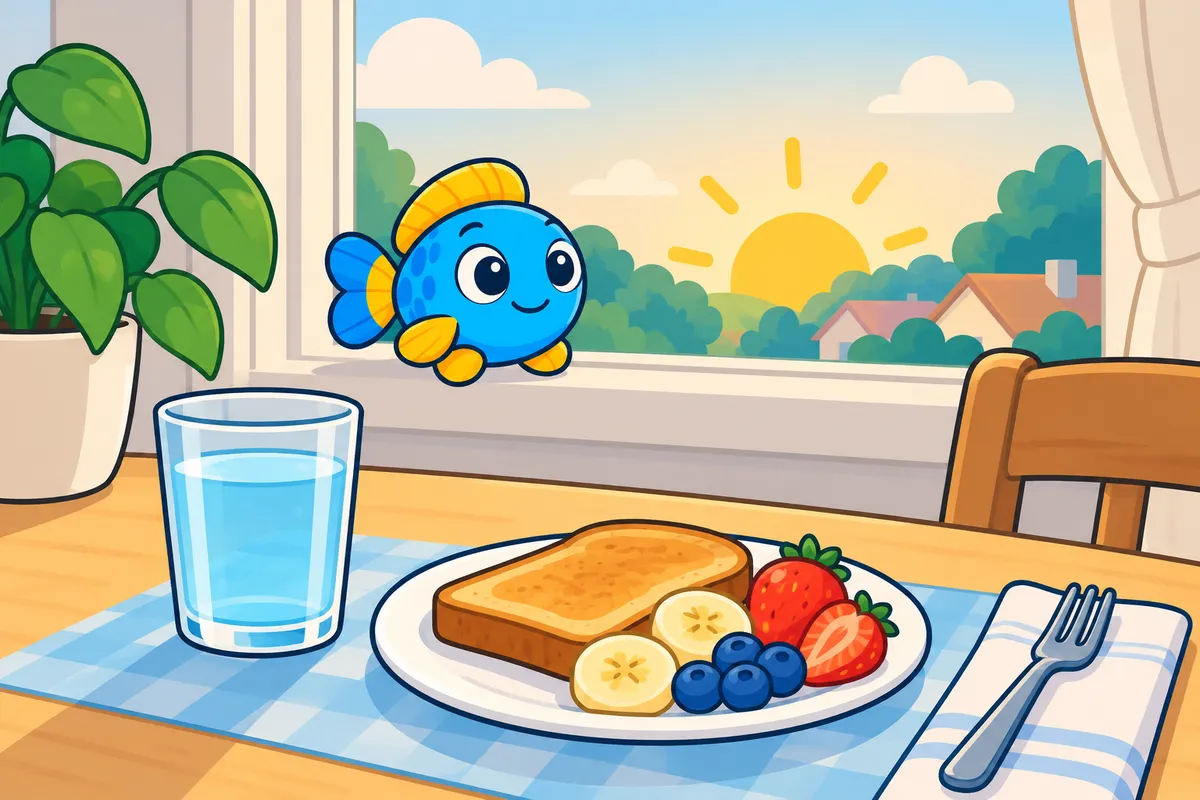
Ask ten people when to drink water and you get ten rules: a big glass on waking, nothing with meals, never after 8 PM. Most of them have no study behind them.
This page sorts the moments that have evidence from the ones that are simply good habits. It belongs to our guide on how to drink more water, which covers the cues that make any timing stick.
What Is the Best Time of Day to Drink Water?
No time of day is proven best. Spread your drinks from waking until a couple of hours before bed, with one at each meal. The US National Academies found that drinking when thirsty plus "the habitual consumption of beverages at meals" keeps the average person hydrated.
A few moments do have numbers behind them. Here is what the evidence says about each, and what it means in your glass.
| Moment | What the evidence says | In your glass |
|---|---|---|
| On waking | No study we read shows a special benefit | A habit cue, 250 ml (8 oz) |
| Before meals | One trial gave dieters aged 55 to 75 500 ml before each meal | 250 to 500 ml (8 to 17 oz) |
| With meals | Mayo Clinic: water does not harm digestion | A glass, as you like |
| During long workouts | NATA: about 200 ml every 15 to 20 minutes | About 7 oz per break |
| After workouts | NATA: replace 100 to 150 % of the weight you lost | 1 to 1.5 L per kg lost |
| Last two hours before bed | Cleveland Clinic: limit fluids if you wake to pee | Sips only |
Is It Good to Drink Water First Thing in the Morning?
Yes, as a habit. You have gone a whole night without a drink, and a glass on waking is the easiest cue of the day to keep. We found no health body or study showing that morning water does anything special for your metabolism or skin, or that it "detoxes" you, so treat it as a good start.
Put the glass where your morning already happens: by the kettle, the coffee machine or your toothbrush. If coffee comes first, it counts too, as our guide on whether coffee counts as water explains.
Should You Drink Water Around Meals?
Meals are the most reliable drinking cue you have. They also carry the one timing claim with a real trial behind it.
Should I Drink Water Before Meals?
You can, and it makes an easy cue, since you already sit down to eat two or three times a day. A glass of 250 to 500 ml (8 to 17 oz) before each of three meals adds up to 0.75 to 1.5 L by evening, a large share of most daily goals.
Does Drinking Water Before Meals Help With Weight Loss?
In one trial it helped a little, in a narrow group. Adults aged 55 to 75 on a low-calorie diet who drank 500 ml (17 oz) of water before each meal lost about 2 kg (4.4 lb) more over 12 weeks than people on the diet alone. That was one study of 48 people.
Read the details before you copy it:
- Everyone in the trial was on a calorie-controlled diet, so the water came on top of eating less.
- The volunteers were 55 to 75 years old, with a BMI of 25 to 40.
- Water before a test meal cut how much people ate at the start of the study, but no longer did by week 12.
Water before meals may help some older dieters eat a little less. The trial tells you nothing about younger adults, or about people who are not dieting.
Is It Bad to Drink Water With Meals?
No. A Mayo Clinic answer says that "Water doesn't cause problems with digestion or thin body fluids used in digestion." Drinking with meals is one of the main ways healthy people meet their needs, so keep the glass on the table.
The same answer notes that people with heart, kidney or liver disease may need to limit water.
When to Drink Around a Workout
Exercise is the one time when the timing has firm numbers. They come from the National Athletic Trainers' Association (NATA) position statement on fluids for active people.
Should I Drink Extra Water Before a Workout?
For an everyday workout, no. NATA says recreational athletes "should not need to consume extra fluids before activity but should begin exercise euhydrated", which means starting the session well hydrated. If you drank normally through the day and your pee looks pale, you are ready to go.
When Should I Drink Water During Exercise?
During longer sessions, sip about 200 ml (7 oz) every 15 to 20 minutes; NATA says this "may be ideal." Aim to lose no more than 2 % of your body weight over the session. Never finish heavier than you started, because that means you drank more than you sweated.
For a 75 kg (165 lb) runner, 2 % is 1.5 kg (3.3 lb). Over an hour, 200 ml every 15 to 20 minutes adds up to 600 to 800 ml (20 to 27 oz).
How Much Should I Drink After Exercise?
Weigh yourself before and after, then drink 100 to 150 % of the weight you lost. That is 1 to 1.5 L for each kilo, about 15 to 23 oz for each pound. NATA calls for "replacement with 100% to 150% of calculated fluid losses", and the high end fits when your next session is less than 4 hours away.
What About Right Before Bed?
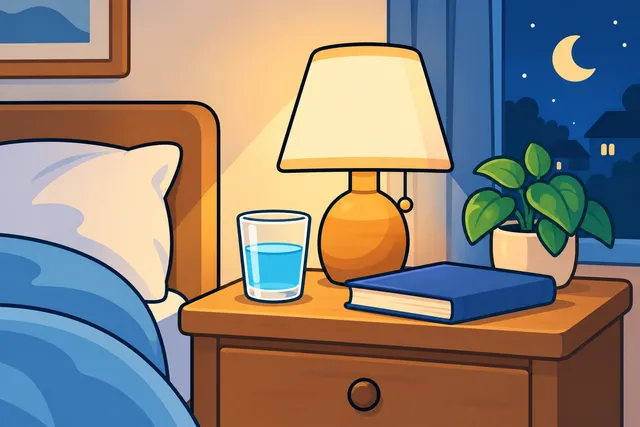
A few sips are fine. If you wake up at night to pee, a Cleveland Clinic urologist advises limiting fluids in the two hours before bedtime; our page on water before bed has the full answer.
A Day Timed Around Your Cues
Daniel weighs 80 kg (176 lb), works at a desk, trains after work and goes to bed at 11 PM. Glubbo's habit formula gives him 2,650 ml (90 oz) of drinks: 30 ml per kg, plus 100 ml for moderate activity and 150 ml for a man.
- 6:45 AM, on waking: a 250 ml glass by the kettle (250 ml so far).
- 7:15 AM, breakfast: a 250 ml coffee (500 ml).
- 10:00 AM, at his desk: a 500 ml bottle, sipped through the morning (1,000 ml).
- 12:30 PM, before lunch: 500 ml (1,500 ml).
- 5:30 PM, a 45-minute gym session: 200 ml at each of three breaks (2,100 ml).
- 7:00 PM, dinner: a 300 ml glass (2,400 ml).
- 8:30 PM, last glass: 250 ml (2,650 ml).
His last glass sits two and a half hours before bed. To build a list like this from your own goal and hours, use the water drinking schedule; for the pace between cues on hot or busy days, see how often you should drink water.
General information for healthy adults, not medical advice. If a doctor has set your fluid amount, follow that.
More in Drinking Habits
Sources
- National Academies of Sciences. Report sets dietary intake levels for water, salt, and potassium (press release), 2004.
- Obesity (Dennis and colleagues). Water consumption increases weight loss during a hypocaloric diet intervention in middle-aged and older adults, 2010.
- Mayo Clinic Health Information Library (Koç University Hospital). Water after meals: Does it disturb digestion?, 2024.
- National Athletic Trainers' Association. Position Statement: Fluid Replacement for the Physically Active, 2017.
- Cleveland Clinic. How To Stop Frequent Urination at Night, 2022.
Sources checked by the Glubbo team on Oct 16, 2026. General information, not medical advice.