Coffee and Tea
How Much Caffeine Is Too Much? Daily Limits for Every Group
The daily and one-sitting caffeine limits public health bodies set, group by group, and what they look like in cups.
 By the Glubbo Editorial Team · Updated Oct 19, 2026 · 9 min read
Short answer
Up to 400 mg a day is fine for most healthy adults.
- FDA and EFSA both name 400 mg a day; EFSA adds no more than 200 mg in one sitting.
- Pregnant: 200 mg a day per EFSA and the NHS, 300 mg per Health Canada.
- Children: 2.5 mg per kg a day (Health Canada) or 3 mg per kg (EFSA).

Caffeine becomes too much at a different point for different people. For a healthy adult, three public health bodies on two continents land on the same number: 400 mg a day.
The ceiling drops for pregnancy and for children, and it drops again when you take a lot at once. Each limit below comes with the body that sets it, and then the milligrams become the drinks you actually buy.
How Much Caffeine Is Safe in a Day?
Up to 400 mg a day for most healthy adults. The FDA calls it "an amount not generally associated with negative effects", about two to three 12 oz (355 ml) cups of coffee. EFSA and Health Canada give the same 400 mg.
- 400 mg
- a day for most healthy adults
- 200 mg
- in one sitting, EFSA's single-dose level
- 5.7 mg
- per kg of body weight a day
EFSA adds a condition the FDA leaves out: the 400 mg is spread through the day. The same total in two big gulps is a different exposure, and EFSA sets a separate limit for it.
Neither body treats 400 mg as a target. The FDA notes "wide variation" in how sensitive people are to caffeine and how fast they clear it, so your comfortable amount may sit well below the line.
Caffeine Limits for Each Group of People
The limits differ by group, and the public bodies do not always agree. For pregnancy, EFSA and the NHS say 200 mg while Health Canada says 300 mg; the FDA gives no number and asks you to talk to your provider.
| Group | FDA (US) | EFSA (EU) | Health Canada | NHS (UK) |
|---|---|---|---|---|
| Healthy adults | 400 mg a day | 400 mg a day, 200 mg at once | 400 mg a day | — |
| Pregnant | ask your provider | 200 mg a day | 300 mg a day | 200 mg a day |
| Breastfeeding | ask your provider | 200 mg a day | 300 mg a day | — |
| Children and teens | no caffeine under age 2 | 3 mg per kg a day | 2.5 mg per kg a day | — |
Sources: FDA, EFSA, Health Canada, NHS.
Pregnant or Breastfeeding
The NHS puts it plainly: "you should not have more than 200mg of caffeine a day" in pregnancy. EFSA gives the same 200 mg for pregnant and breastfeeding women, from all sources, spread through the day, and one large shop coffee can use up that whole 200 mg.
After the birth the bodies keep similar numbers, and nursing mothers also watch how the baby sleeps and settles.
Children and Teens
The FDA quotes the Dietary Guidelines for Americans: caffeinated drinks "should be avoided for children younger than age 2". For older children the limits scale with body weight.
| Child's weight | Health Canada, 2.5 mg per kg | EFSA, 3 mg per kg |
|---|---|---|
| 20 kg (44 lb) | 50 mg | 60 mg |
| 30 kg (66 lb) | 75 mg | 90 mg |
| 40 kg (88 lb) | 100 mg | 120 mg |
| 50 kg (110 lb) | 125 mg | 150 mg |
| 60 kg (132 lb) | 150 mg | 180 mg |
For scale, a 355 ml (12 oz) can of cola holds about 40 mg and a 250 ml (8.5 oz) energy drink about 80 mg, by EFSA's typical figures.
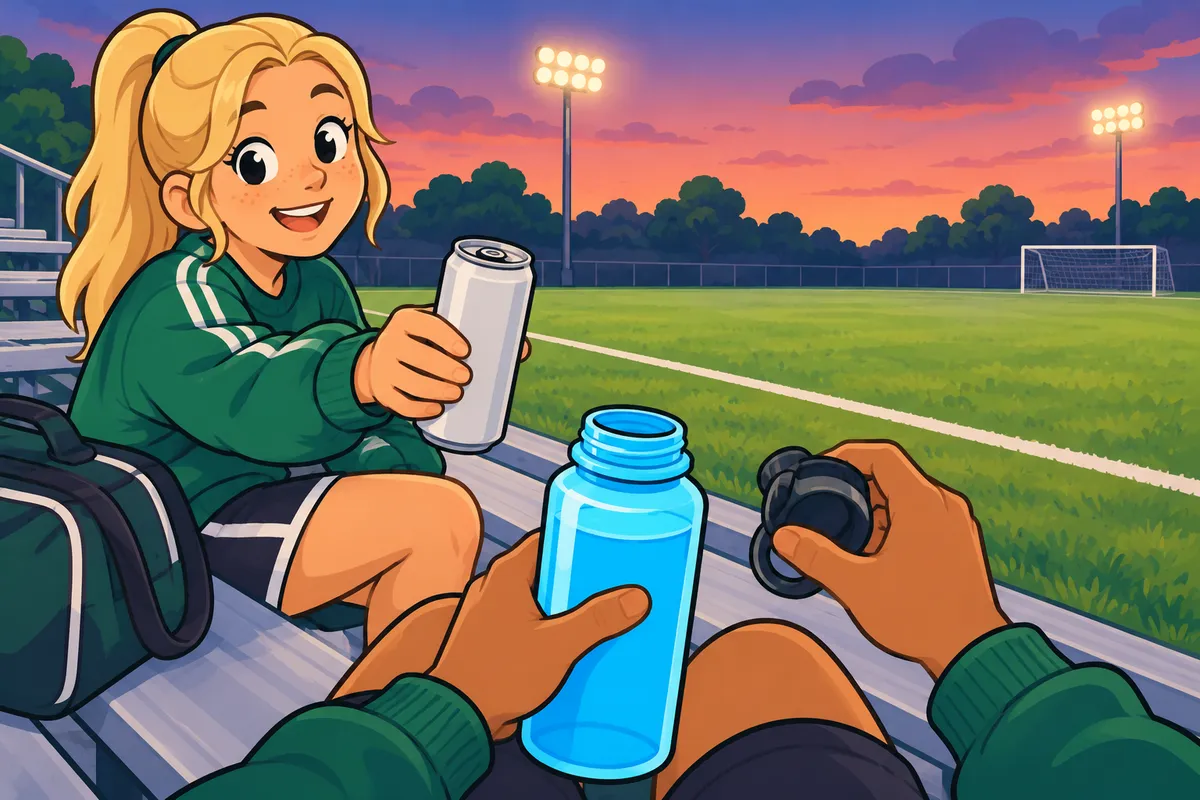
Health Canada applies the 2.5 mg per kg to teenagers as a precaution, and notes that healthy, older and heavier teens aged 14 to 18 may handle caffeine much as adults do. The FDA adds that medical experts advise against energy drinks, whose cans run from about 80 mg to over 300 mg, for children and teens. Milk tea is the one parents miss: a regular cup of shop bubble tea averaged 130 mg in Hong Kong tests, more than a 40 kg child's 100 mg.
What Does 400 mg of Caffeine Look Like?
Four or five ordinary servings, depending on what you drink. EFSA's typical figures put a 200 ml (6.8 oz) filter coffee at 90 mg and a 220 ml (7.4 oz) black tea at 50 mg, so the same 400 mg covers about four mugs of filter coffee or eight cups of tea.
These are averages. EFSA itself warns that caffeine content and portion sizes vary between countries and brands, and a large coffee-shop cup can hold two or three of these servings.
Size is where most people go over without noticing. The FDA finds 113 to 247 mg in a 12 oz brewed coffee, so two large mugs can reach 400 mg before lunch. For the full spread by brew method and cup size, see how much caffeine sits in each cup of coffee.
Tea sits much lower. The FDA lists 71 mg in 12 oz of black tea and 37 mg in green, so five 12 oz mugs of black tea come to 355 mg, and black, green and herbal teas compared cup by cup shows why your tea bag and steeping time matter.
Where 400 mg Lands in Four Kinds of Cup
Between two and four coffees, and the cup you pour decides. The count below divides 400 mg by each body's figure for one cup.
| Cup | Caffeine per cup | Cups to reach 400 mg |
|---|---|---|
| 12 oz brewed, FDA range | 113 to 247 mg | 1.6 to 3.5 |
| 8 oz brewed, Canadian average | 135 mg | about 3 |
| 200 ml filter, EFSA typical | 90 mg | about 4.4 |
| 60 ml espresso, EFSA typical | 80 mg | 5 |
Sources: FDA, Health Canada, EFSA as listed by EUFIC.
Is 400 mg of Caffeine a Day Too Much?
No. For most healthy adults 400 mg sits at the limit, not over it, and the FDA, EFSA and Canada's health department each name it as the daily amount not usually linked to harm. It becomes too much if you are pregnant, a child, sensitive to caffeine, or taking it all at once.
Where a Day of Coffee, Cans or Tea Lands Against 400 mg
The same limit reads very differently in real days, so these totals use the FDA's per-drink ranges.
How Much Caffeine Can You Have at Once?
Up to 200 mg in one sitting, about 3 mg per kg of body weight, raises no safety concern for healthy adults, per EFSA. Two 60 ml espressos come to about 160 mg by EFSA's own figures.
EFSA says the same 3 mg per kg may be applied to children, so a 40 kg child's one-sitting level is about 120 mg. At 100 mg a single dose may already affect sleep, especially near bedtime. Far above it, the FDA warns that around 1,200 mg taken quickly can cause toxic effects such as seizures.
1,200 mg is "less than 1/2 teaspoon of pure caffeine", the FDA says. You would struggle to drink that much coffee fast, but pure and highly concentrated caffeine products put it in a spoon, and the FDA says they can have serious health consequences, including death.
What Are the Signs of Too Much Caffeine?
A racing heart, the jitters and a bad night are the most common. The FDA lists the symptoms below and asks you to talk with your health care professional about your caffeine if you have any of them.
Too Much Caffeine Can Cause
9 items- increased heart rate
- heart palpitations
- high blood pressure
- insomnia or sleep disruptions
- anxiety
- jitters
- upset stomach
- nausea
- headache
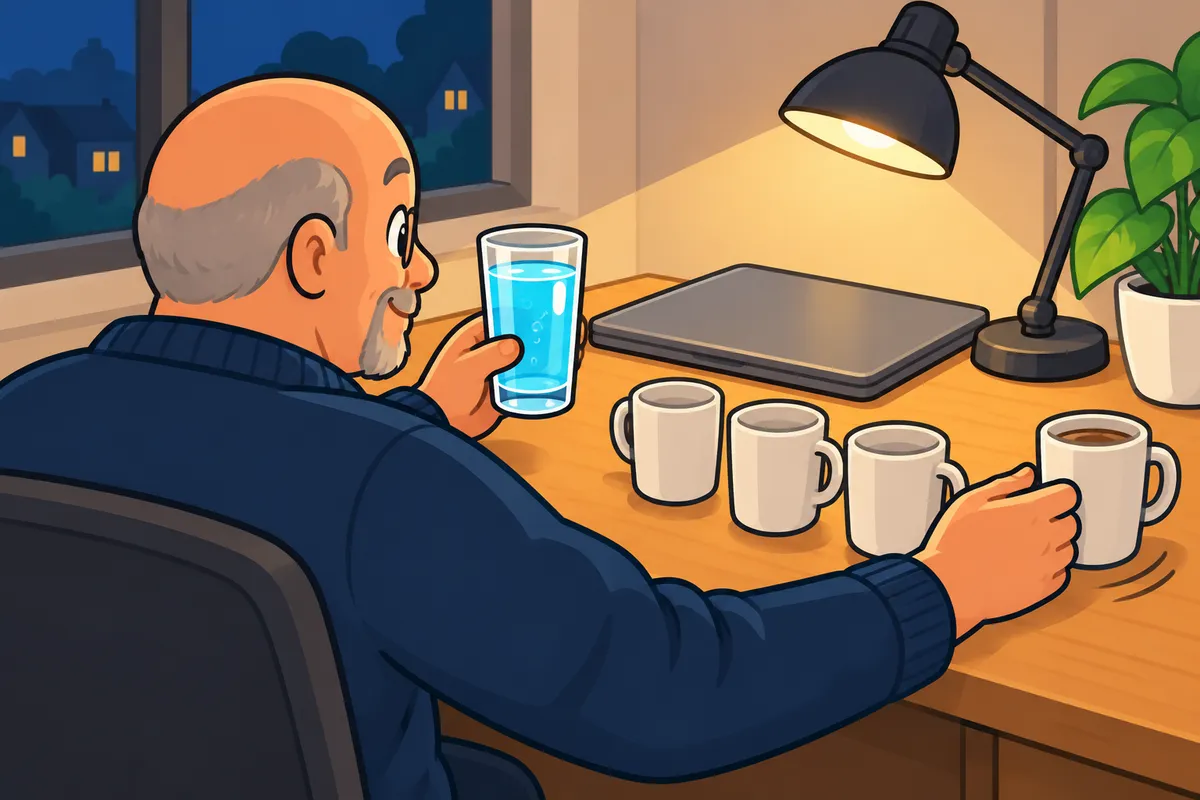
These signs can come from far less than 400 mg in a sensitive person. If they show up after your usual cups, the cups are your limit, whatever the official number says. Far above any limit, vomiting, confusion or a seizure point to an overdose that needs emergency help.
Stopping brings its own signs: MedlinePlus lists headaches, sleepiness, irritability, nausea and trouble concentrating for people who stop a regular habit suddenly, and says they usually go away after a couple of days.
Who Should Have Less Caffeine?
Pregnant and breastfeeding women, children and teens, and anyone whose body or medicine makes caffeine harder to handle. MedlinePlus asks these groups to check with a health care provider about their own amount:
- people with sleep disorders, migraines or anxiety
- people with GERD or ulcers
- people with an irregular heartbeat or high blood pressure
- people who take certain medicines or supplements
The FDA adds that some medications and medical conditions make people more sensitive to caffeine. For these readers the 400 mg figure is not the starting point; the provider's number is.
How Late Can You Have Caffeine and Still Sleep?
At least six hours before bed, by a 2013 sleep trial where 400 mg taken six hours early still cut sleep by more than an hour. To turn that into a clock time, work back from your bedtime.
The six hours come from how slowly your liver works: half of each cup is still in your blood 3 to 7 hours later.
Do Coffee and Tea Still Count Toward Your Water?
Yes. Coffee and tea add their full volume to your day, and a mug of either counts like a glass of water at normal amounts.
Setting a Daily Caffeine Budget
Plan the day's drinks inside the line that fits you.
- Write down tomorrow's drinks with their sizes in ounces or milliliters.
- Give each a caffeine figure from its label, or from the ranges on this page.
- Add them up and check the total against your group's limit in the table.
- Swap the last caffeinated drink of the day for water or a caffeine-free tea, and if you drink far more than your line, step down over a few weeks to dodge the headache.
General information for healthy adults, not medical advice. If a doctor has set your fluid amount, follow that.
All Guides in Coffee and Tea
Every guide, A to ZCaffeine 9 guides
Caffeine is safe up to a point that the FDA and EFSA put in milligrams. These guides turn those limits into cups and cans, and cover what happens past them.
Caffeine page How Many Hours Before Bed Should You Stop Caffeine? Six or More
 How Long Does Caffeine Stay in Your System? Hour by Hour
 How Much Caffeine Is in an Energy Drink? Can by Can
 How Much Caffeine Can You Have When Pregnant? Each Limit in mg
 Can You Drink Coffee While Breastfeeding? Daily mg and Baby Signs
 Caffeine Overdose Symptoms: How Much Is Toxic and When to Get Help
 Are Caffeine Pills Dangerous? Label Doses, Powders and FDA Warnings
 Caffeine Withdrawal Symptoms: How Long They Last and How to Cut Down
 How Much Caffeine Is in a Can of Coke? 10 Sodas by Can
Coffee 6 guides
Two cups of coffee can differ by more than double in caffeine. These guides give the measured ranges for each brew and the reasons behind the spread.
Coffee page How Much Caffeine Is in a Cup of Coffee? Every Brew and Size
 How Much Caffeine Is in Decaf Coffee? Cup, Shot and Mug
 Espresso vs Coffee Caffeine: Which Has More, Shot or Cup?
 How Much Caffeine Is in Cold Brew? Glass, Concentrate and Iced
 Is Decaf Coffee Bad for You? The Solvent, Your Heart and Reflux
 Cold Brew Benefits: Is It Really Easier on Your Stomach?
Tea 7 guides
Tea runs from almost no caffeine to more than a coffee. These guides give the measured amounts for each kind and what steeping time and leaf amount do.
Tea page How Much Caffeine Is in a Cup of Tea? Black, Green and Earl Grey
 Does Herbal Tea Have Caffeine? Which Cups Are Truly Free
 How Much Caffeine Is in Matcha? Per Gram, Per Bowl and Per Latte
 How Much Caffeine Is in Bubble Tea? Cup Sizes and Caffeine-Free Picks
 Is Tea Before Bed Good? Caffeine in Each Cup, Herbal vs Real Tea
 Yerba Mate Caffeine by Gourd, Cup and Tea Bag, Against Coffee
 Coffee vs Matcha, Cup for Cup: Which One Suits Your Day?

Sources
- US Food and Drug Administration. Spilling the Beans: How Much Caffeine is Too Much?, 2024.
- European Food Safety Authority. Caffeine (topic page on the 2015 scientific opinion), 2015.
- Health Canada. Caffeine in foods, 2025.
- Health Canada. Caffeine in food, 2025.
- EUFIC (European Food Information Council). EFSA opinion on the safety of caffeine, 2015.
- NHS. Foods to avoid in pregnancy, 2026.
- MedlinePlus (US National Library of Medicine). Caffeine, 2021.
- Journal of Clinical Sleep Medicine (Drake and colleagues). Caffeine Effects on Sleep Taken 0, 3, or 6 Hours before Going to Bed, 2013.
Sources checked by the Glubbo Editorial Team on Oct 19, 2026. General information, not medical advice. How we write and check our guides.

