Exercise and Heat · Heat, Cold and Altitude
Signs of Heat Exhaustion, and How to Tell It From Heat Stroke
Learn the one sign that separates it from heat stroke, and the four steps to take in the first 30 minutes.
 By the Glubbo Editorial Team · Updated Oct 19, 2026 · 9 min read
On This Page
- What Are the Signs of Heat Exhaustion?
- What Is the Difference Between Heat Stroke and Heat Exhaustion?
- What Should You Do for Heat Exhaustion?
- How Long Does Heat Exhaustion Last?
- When Can You Exercise Again After Heat Exhaustion?
- Is It Heat Exhaustion, Heat Cramps or Fainting?
- Should You Drink Water With Heat Stroke?
- When Too Much Water Looks Like Heat Exhaustion
- Who Gets Heat Exhaustion Most Easily?
- How Much to Drink to Stay Ahead of It
- Get Ready Before the Next Hot Day
- Sources
Short answer
Heavy sweating, headache, dizziness and nausea.
- Confusion, slurred speech or passing out means heat stroke: call 911.
- Move the person somewhere cool, remove extra clothing, give water, cool the skin.
- Most people feel better within 30 minutes; if not, call for help.
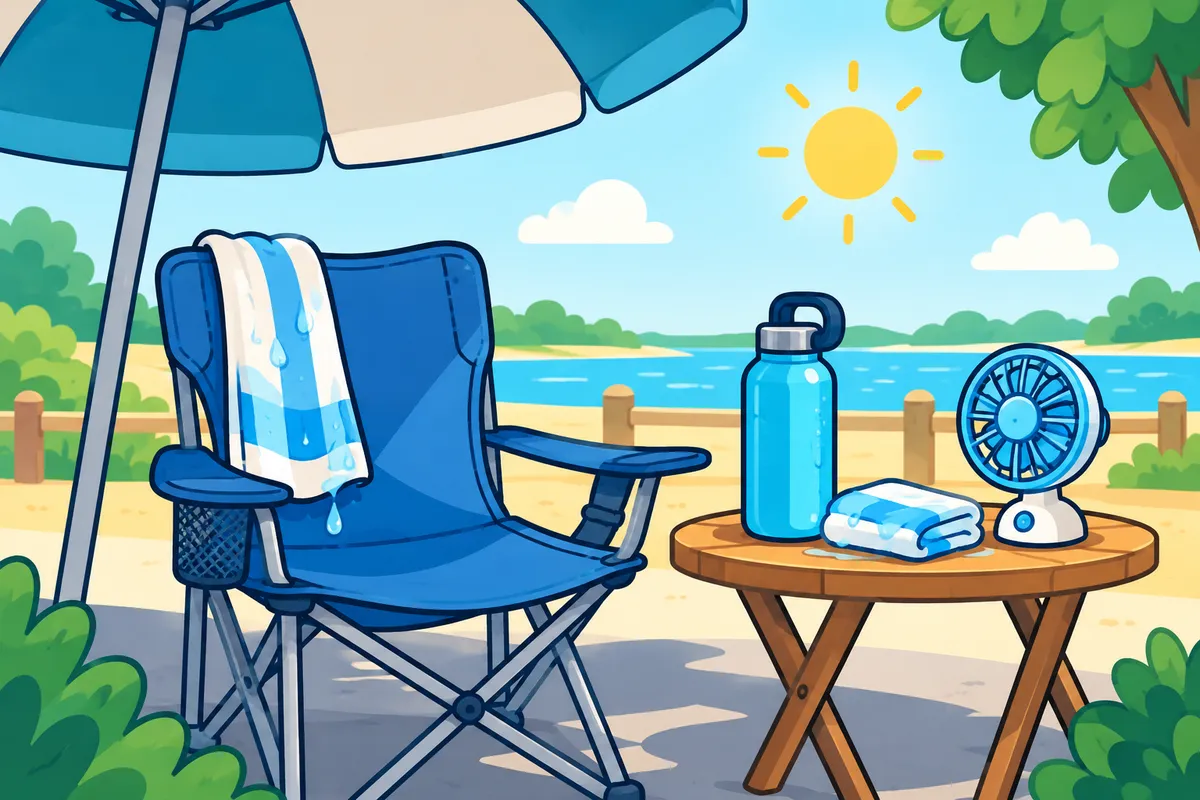
Heavy sweating, a headache, nausea, dizziness and weakness on a hot day are the classic signs of heat exhaustion. Stop, get cool and drink. If the person becomes confused, slurs their words or loses consciousness, treat it as heat stroke and call 911.
Heat exhaustion is what happens when sweat takes out more water and salt than you put back. The body is still cooling itself, and that is what keeps it from being heat stroke: the National Athletic Trainers' Association (NATA) puts the core temperature in heat exhaustion usually under 40.5 °C (105 °F) when measured rectally. Nobody can take that reading on a trail, so the person's mind is the test you use.
What Are the Signs of Heat Exhaustion?
Headache, nausea, dizziness, weakness, irritability, thirst, heavy sweating, a raised body temperature and peeing less. That is the list from the CDC's National Institute for Occupational Safety and Health (NIOSH), which describes heat exhaustion as "the body's response to an excessive loss of water and salt, usually through excessive sweating".
Symptoms of Heat Exhaustion
9 items- Headache
- Nausea
- Dizziness
- Weakness
- Irritability
- Thirst
- Heavy sweating
- Elevated body temperature
- Decreased urine output
The NHS adds a few signs you can see from the outside: tiredness, being sick, cramps in the arms, legs and stomach, and skin that turns pale and clammy. It notes that a change in skin color "can be harder to see on brown or black skin", and that the signs "are often the same in adults and children."
Cramps can come first. The CDC's page for athletes in the heat warns that muscle cramping "may be an early sign of heat-related illness", so a calf that knots up on a hot run is a reason to slow down and drink. Its rule for feeling faint or weak is blunt: stop all activity and get to a cool place.
What Is the Difference Between Heat Stroke and Heat Exhaustion?
Heat exhaustion is the body struggling but still cooling itself; heat stroke is the moment it stops. NIOSH calls heat stroke "the most serious heat-related illness": the sweating system fails, the body cannot cool down, and confusion, slurred speech, loss of consciousness or seizures follow. Heat exhaustion needs rest and fluids, while heat stroke needs 911.
| Heat exhaustion | Heat stroke | |
|---|---|---|
| Sweat and skin | Heavy sweating; pale, clammy skin | Hot, dry skin or profuse sweating |
| Mind | Irritable | Confusion, altered mental status, slurred speech |
| Body temperature | Raised; usually under 40.5 °C (105 °F) rectally | Very high; 41 °C (104 °F) or more in the field |
| Breathing and pulse | Not listed | Fast breathing and a fast heartbeat |
The Sign That Decides Is the Person's Mind
Watch how the person thinks and talks. Grand Canyon National Park's hiking guide says heat stroke is "distinguished from heat exhaustion by altered mental status".
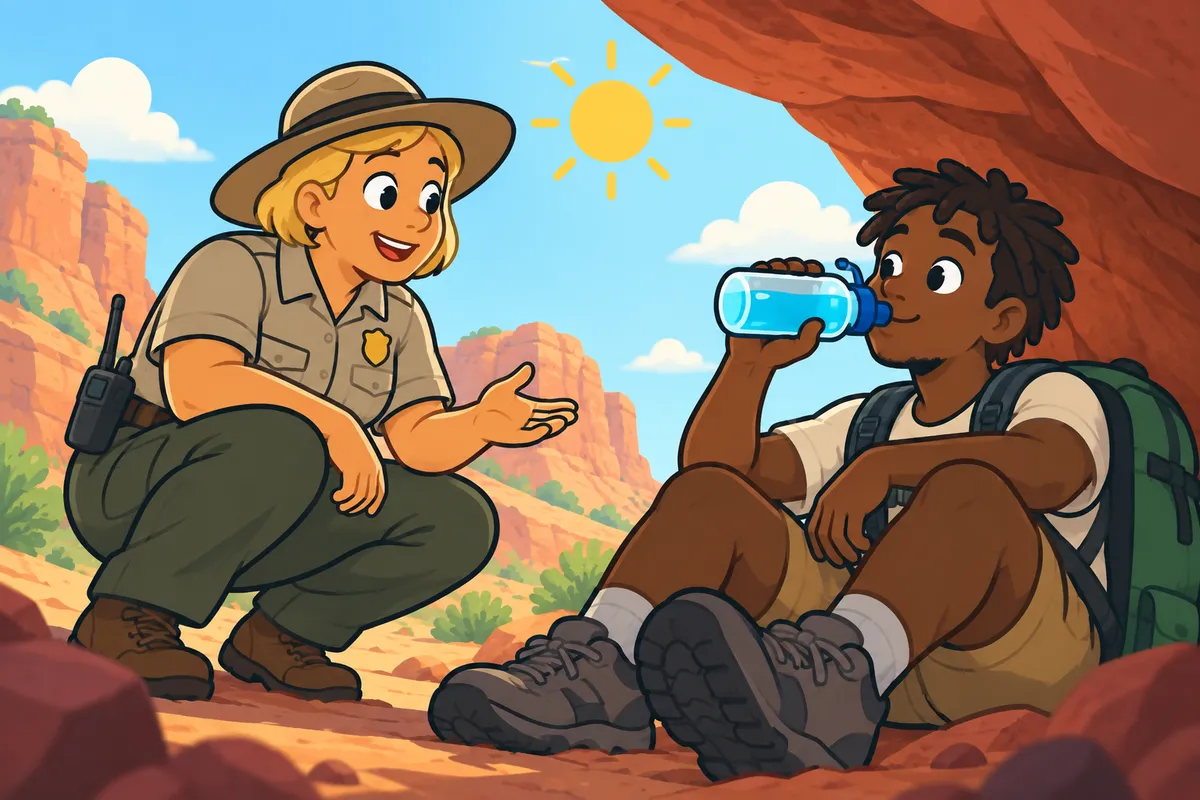
The CDC's health guide for travelers draws the same line with more detail. Some irritability or confusion can appear in heat exhaustion, it says, but seizures or coma point to heat stroke or to dangerously low blood sodium. Any confusion on a hot day is a reason to call for help, not to wait and see.
Dry Skin Is Not a Safe Test
Many people expect heat stroke to bring dry skin, because a dried-out body sweats less. It can, but NIOSH lists "hot, dry skin or profuse sweating" side by side, and the travel guide says heat stroke during exercise usually comes "with profuse sweating".
So a runner who is drenched in sweat and confused may still have heat stroke. Judge by the mind and the temperature, never by the sweat alone.
How Fast It Turns
Fast. NIOSH says that in heat stroke the body temperature "can rise to 106°F or higher within 10 to 15 minutes", and that it can cause permanent disability or death without emergency treatment. The travel guide adds that heat exhaustion can progress to heat stroke if the person keeps going and nobody cools them.
What Should You Do for Heat Exhaustion?
Move the person somewhere cool, take off extra clothing, give them plenty of water and cool their skin. Those are the NHS's four steps, and it says to stay with the person until they feel better. If they are confused, or no better after 30 minutes, call 911.
Four Steps for Heat Exhaustion
- Move them to a cool place
- Remove all unnecessary clothing like a jacket or socks
- Give them plenty of water, or a sports drink or rehydration drink
- Cool their skin: spray or sponge with cool water and fan them
NIOSH writes the same steps for a workplace, with one firm addition: take the worker to a clinic or emergency room for a check, and call 911 if no medical care is available. It also asks for "frequent sips of cool water", so the drink comes in small amounts, often.

Salt helps the water stay in. A sports drink or rehydration powder "will help replace salt lost through sweating", and the travel guide says plain water with salty snacks is equally effective.
How Long Does Heat Exhaustion Last?
Most people start to feel better within 30 minutes of cooling down and drinking, and recover within hours. Heat exhaustion does not usually need emergency help if you can cool down within that time. Still unwell after 30 minutes of rest, cooling and fluids is a reason to call 911.
- 30 min
- to start feeling better once cooled and drinking
- 30–45 min
- of rest in the shade the park advises before moving on
- 24 h
- for most to recover; NATA advises no same-day return to activity
The travel guide says most people recover "within hours" with rest in a cool place and water or drinks with sugar and salt. It also warns about a slower form: heat exhaustion can build over several days in people who are not used to the heat, and gets mistaken for "summer flu" because of weakness, headache and nausea.
When Can You Exercise Again After Heat Exhaustion?
Not the same day. NATA says same-day return to activity should be avoided after heat exhaustion, and its summary of recovery is "often within 24 h". Keep drinking through the evening and the next morning, and go back to training at an easier pace.
After heat stroke the rule is stricter: NATA says a doctor's clearance and further medical testing come before any return to activity. For a trip to somewhere hot, the travel guide advises limiting exercise intensity and duration in the first week if you have not had time to adjust.
Is It Heat Exhaustion, Heat Cramps or Fainting?
Three milder heat illnesses look alike at first, and NATA separates them by what happens in the body. After any faint, check responsiveness, breathing and pulse, because a heart problem can look the same; if the person does not wake quickly, call 911.
Three milder heat illnesses
Heat cramps
A painful muscle
- Painful contractions during or after exercise
- Stop, drink something with sodium
Suits you if one muscle locks up but you think clearly.
Heat syncope
A brief faint
- Dizzy, tunnel vision, pale or sweaty skin
- Lay flat and raise the legs
Suits you if you stood for long in the heat, or are new to it.
Heat exhaustion
Cannot keep going
- Heavy sweating, dehydration, less blood back to the heart
- Stop, cool down, raise legs, give fluids
Suits you if you must stop exercising and feel wrecked.
Heat syncope mostly hits in the first 5 days of unaccustomed heat, before the body has adjusted. Cramps, syncope and exhaustion can all come before heat stroke, which is why a milder sign on a hot day is a reason to stop, not to push on.
Should You Drink Water With Heat Stroke?
Cooling comes first and water second. Call 911, move the person to shade and cool them: NIOSH asks for a cold water or ice bath if possible, or cold wet cloths on the head, neck, armpits and groin. The travel guide says to encourage drinking only "for those able to take oral fluids", so offer sips once the person is awake and can swallow.
In heat stroke the damage comes from the heat itself: the guide ties it to how high the body temperature climbs and how long it stays there. It also says most people with heat stroke are badly dehydrated and many need fluids in hospital, one more reason the first call is to 911.
When Too Much Water Looks Like Heat Exhaustion
Drinking far more plain water than you sweat can bring on water intoxication, and the early signs look almost the same. The travel guide lists loss of appetite, nausea, vomiting, headache, muscle weakness and tiredness for both conditions.
Two clues point to low sodium instead: the person has been drinking large amounts of water, and their confusion does not match a high body temperature. The park's advice for this case is the opposite of heat exhaustion: stop the water, eat salty food and rest in the shade.
In the field you cannot always tell the two apart, so confusion means a call for help either way.
Who Gets Heat Exhaustion Most Easily?
People who are dehydrated, working or exercising hard in the heat, or not yet used to it. The travel guide calls dehydration "the most important predisposing factor", and names these risks too:
Risks the CDC travel guide names
8 items- Dehydration, the most important one
- Heart disease
- Diabetes
- Kidney disease
- Some medicines
- Very young or old age
- A high body-mass index
- A recent infection
Getting used to heat protects you: the same guide says most of that adjustment happens within 10 days if you exercise 1 to 2 hours a day in the heat, and fades within days to weeks once you stop.
If you look after someone over 65, a drinking routine works better than waiting for their thirst. On a long summer hike, the first defense is carrying enough water for every hour on the trail.
How Much to Drink to Stay Ahead of It
Drink on a steady pace before you feel sick. For moderate activity in the heat, NIOSH advises 1 cup (8 oz) of water every 15 to 20 minutes, generally no more than 6 cups in an hour, and sports drinks once sweating lasts several hours.
On a long shift outside, plan where each refill comes from before you start, because a 1 L (34 oz) bottle lasts about an hour at that pace.
Get Ready Before the Next Hot Day
- On your next hot day, carry water and drink a cup every 15 to 20 minutes while you are active.
- If you feel dizzy, sick or weak, stop, get to shade and drink before you go on.
- Check on the people around you who are older, very young or working outside.
General information for healthy adults, not medical advice. If a doctor has set your fluid amount, follow that.

More in Exercise and Heat
Sources
- CDC, National Institute for Occupational Safety and Health. Heat-related Illnesses, 2026.
- NHS. Heat exhaustion and heatstroke, 2026.
- CDC Yellow Book. Heat and Cold Illness in Travelers, 2025.
- National Park Service, Grand Canyon National Park. Summer Hiking: Hike Smart, 2026.
- CDC. Heat and Athletes, 2024.
- Journal of Athletic Training (National Athletic Trainers' Association). National Athletic Trainers' Association Position Statement: Exertional Heat Illnesses, 2015.
- CDC, National Institute for Occupational Safety and Health. Workplace Recommendations, 2026.
Sources checked by the Glubbo Editorial Team on Oct 19, 2026. General information, not medical advice. How we write and check our guides.

