What Counts · Tap and Bottled Water
Is Tap Water Safe to Drink? How to Check Your Own Water in 4 Steps
How to read your water report, test a well, keep lead out of your glass and act on a boil notice.
 By the Glubbo Editorial Team · Updated Oct 19, 2026 · 9 min read
On This Page
- How Do I Know if My Tap Water Is Safe?
- What Is a Consumer Confidence Report?
- Is Well Water Safe to Drink?
- Can Lead Get Into Safe Tap Water?
- Does Tap Water Contain PFAS?
- Does a Home Filter Make Tap Water Safer?
- Is Tap Water Safe for Babies and Pregnancy?
- Does Boiling Tap Water Make It Safe?
- When Should You Call Your Health Department?
- Does Your Water Source Change How Much You Drink?
- Read Your Water Report and Ask About Lead
- Sources
Short answer
Yes, from most US public water systems.
- Read your yearly water report, due by July 1, and check the violations column.
- On a private well, test at least once a year for coliforms, nitrates and pH.
- Drink and cook with cold tap water only; boiling does not remove lead.
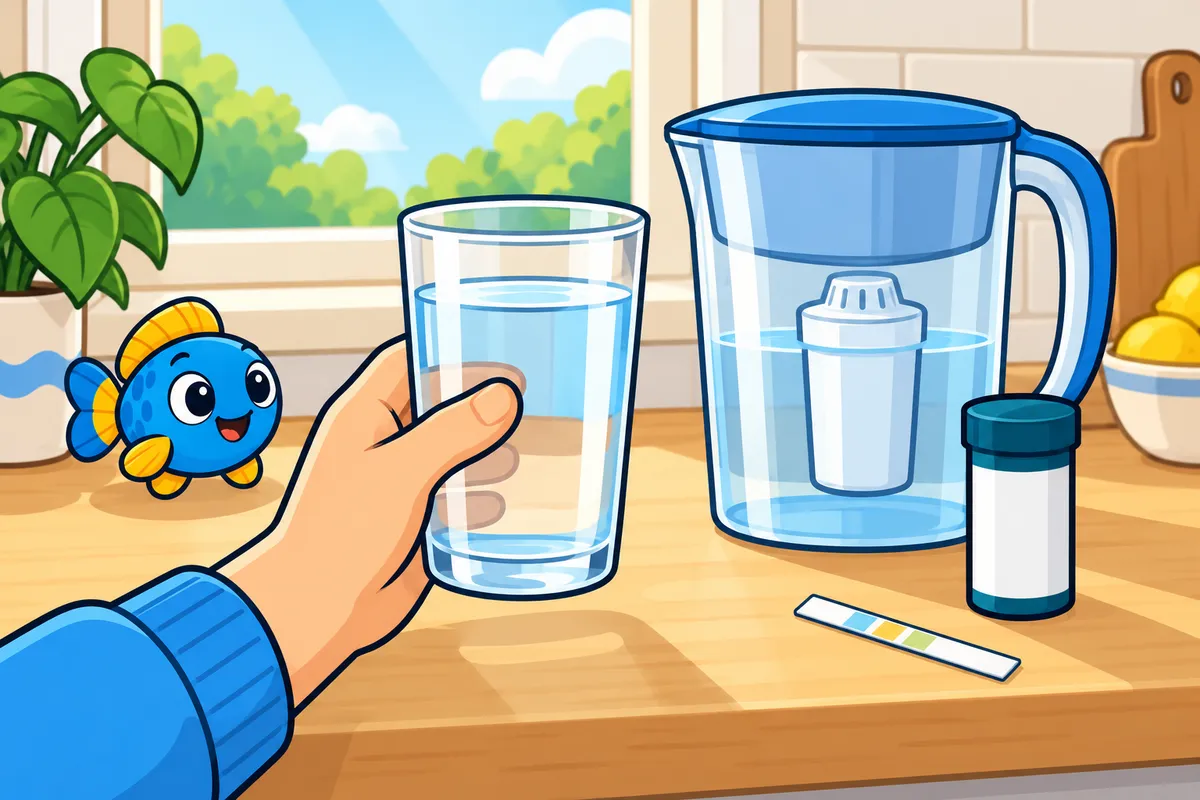
In the US, tap water from a public water system is safe to drink for most people, most of the time. Utilities must meet EPA safety standards and tell you when they do not, and every glass you drink counts toward your daily water like any other water.
Safe in general still leaves your own tap to check. The weak points are a private well, old pipes inside your building and the rare day your utility sends a warning, and each one takes a few minutes to look into.
- 9 in 10
- people in the US get tap water from a public system
- July 1
- deadline for your utility's yearly water report
- 1.1 million
- or more people a year get sick from germs in drinking water
That last number sounds large, and it works out to about 1 in every 300 people. Legionella tops the list of germs behind outbreaks from both public and private drinking water.
How Do I Know if My Tap Water Is Safe?
Read your utility's yearly water quality report, called a Consumer Confidence Report, and look for violations. If you use a private well, test it yourself at least once a year. Call your health department if you think the water made you sick or if its taste, color or smell changes.
Check Your Own Tap
- Find your water report: it arrives by mail, online, or through EPA's search tool
- Find the violations or meets-standard column in the results table
- Compare with last year's report to spot repeat problems
- Call your utility or the EPA hotline, 800-426-4791, with questions
Taste is a poor test. Harmful germs and chemicals often do not change how water looks, tastes or smells, while harmless sulfur can make safe water smell bad. A sudden change is still worth a call.
What Is a Consumer Confidence Report?
It is the yearly drinking water quality report the EPA requires every community water system to send its customers, by July 1. It names where your water comes from, lists the regulated contaminants found in it, explains the health effects of any that broke an EPA standard, and says what the utility did about it.
The EPA's consumer page lists what every report must hold:
What Every Report Must Hold
8 items- The lake, river, aquifer or other source of your water
- A short summary of the risk of contamination at that source
- The regulated contaminants found in your water
- Health effects of any contaminant found above an EPA standard
- What the utility did to restore safe water
- A note for vulnerable groups on avoiding Cryptosporidium
- Information on nitrate, arsenic or lead where they may be a concern
- Phone numbers, including the EPA's Safe Drinking Water Hotline
If you do not get one, call your water supplier or use the EPA's online search tool. Renters whose landlord pays the water bill may never see the report in the mail, so ask the landlord or building manager.
How to Read the Results Table
Look first for the column called "violations", "meets standard" or something similar. A "no" or a listed violation is the line that matters; every other row only shows a measured level.
Do not panic at the word contaminant. In these reports it means anything in the water besides water, chlorine included, and chlorine at the right level kills germs. A health note about lead or Cryptosporidium also "does not necessarily mean" your water contains them, as the CDC's reading guide puts it.
Who Does Not Get a Report
Three groups get none:
- People on a private well.
- People whose water comes from a hospital, school or other place with its own system.
- People who drink from the water systems at gas stations, campgrounds and other places where people do not stay long.
Is Well Water Safe to Drink?
It can be, but nobody checks it for you. The EPA rules that protect public water do not apply to private wells, and no government office treats or monitors them. Well owners should test at least once a year for total coliform bacteria, nitrates, total dissolved solids and pH, and a positive bacteria result means you stop drinking it untreated until retests come back clean.
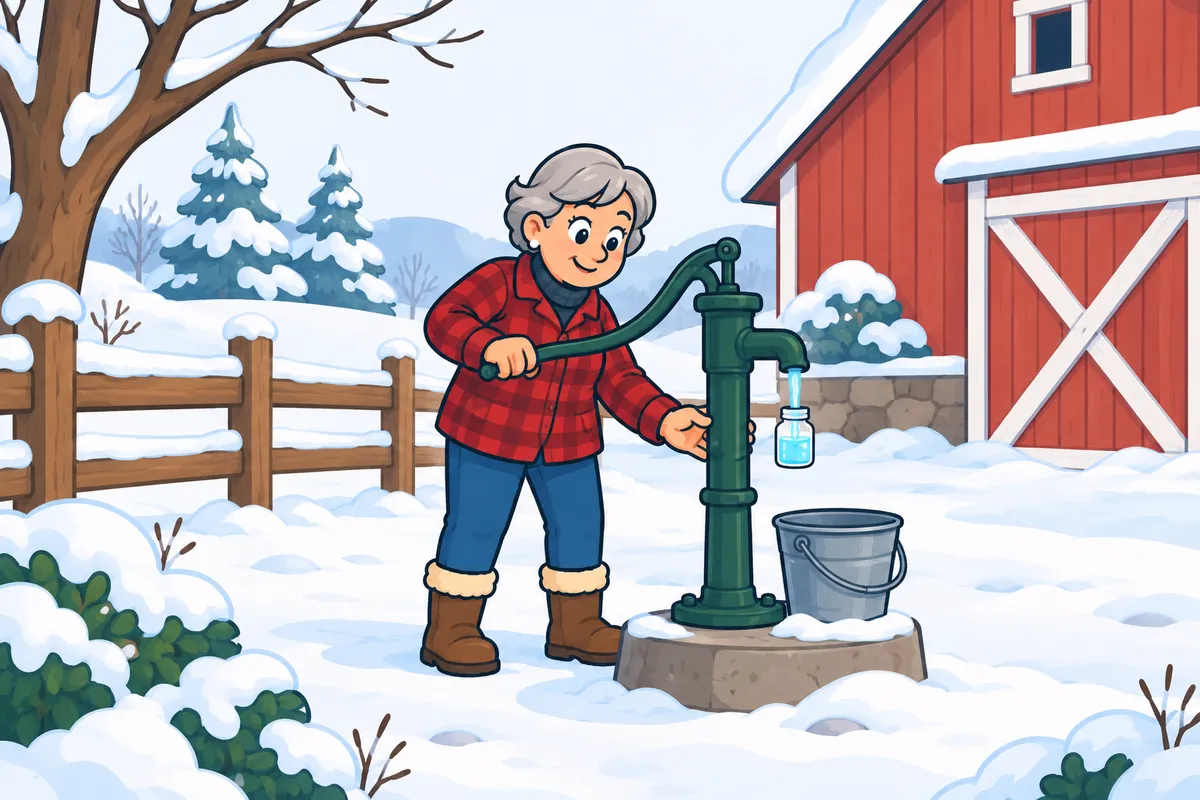
Each yearly test answers a different question, as the CDC's well testing guide explains:
| Test | What it tells you |
|---|---|
| Total coliforms | A high count means harmful germs, for example from a sewage leak, may have got in |
| Nitrates | High levels can make you, and especially babies, sick |
| pH | Water that is too acidic or basic can damage pipes, and lead can leak out of them |
| Total dissolved solids | The calcium, sodium and other matter dissolved in the water, which affects taste and scale |
Ask your health department what else to test for where you live; arsenic, lead, radium or pesticides may be on the list. Use a state-certified laboratory, and expect your health department to ask for more frequent tests after a bad result. Until you fix the problem, drink bottled water or another safe source.
When to Test a Well Again
Do not wait for the yearly date in five cases:
- Your utility or county announces well water problems.
- A flood hits or digging changes the land around the well.
- You repair or replace part of the well system.
- The taste, color or smell changes.
- Someone in the household is pregnant or a child moves in.
Can Lead Get Into Safe Tap Water?
Yes, after the water leaves the utility. Lead comes mostly from lead service lines, faucets and plumbing in your building, and household fixtures, solder and fittings made before 1986 may contain it. You cannot see, taste or smell lead, so ask your utility whether a lead service line feeds your home.
No safe blood lead level has been found for young children, according to the CDC, and the EPA's health goal for lead in drinking water is zero. Most children and adults exposed to lead show no symptoms; a blood test is how a doctor checks.
Is Hot Tap Water Safe to Drink?
Drink and cook with cold tap water only. The EPA says warm or hot water can pull more lead from pipes and fixtures, and that boiling does not remove lead. Use cold water for baby formula too.
Two habits cut the risk further:
- Run your water before drinking when it has sat in the pipes for hours, by running the tap, showering or doing a load of laundry, and ask your utility how long to run it.
- Clean the aerator, the small screen at the tip of the faucet, because lead particles can collect there.
Does Tap Water Contain PFAS?
It can. PFAS are man-made chemicals, and the EPA's 2024 rule sets enforceable limits for them in drinking water: 4.0 parts per trillion each for PFOA and PFOS, with a health goal of zero. Your utility has to test and share the results with customers starting in 2027, and fix any system over the limits by 2029.
- 4.0 ppt
- legal limit for each of PFOA and PFOS (2024 rule)
- 2027
- utilities start sharing PFAS levels with the public
- 2029
- deadline to fix systems over the limit
On May 18, 2026 the EPA proposed two changes: keep the PFOA and PFOS limits but let a system ask for two more years, to 2031, and drop the limits for four other PFAS. As of 19 October 2026, neither is final.
Until your utility's numbers arrive, your water report and a call to the utility are where you find out.
Does a Home Filter Make Tap Water Safer?
Sometimes. Most pitcher and fridge filters target taste, odor or metals such as lead, not germs, so a filter helps only against what its label says it removes. The CDC points to the NSF mark on the label, which names what that filter handles:
| NSF/ANSI standard | What it covers |
|---|---|
| 42 | Taste and odor |
| 53 | Cyst reduction |
| 58 | Reverse osmosis |
| 62 | Distillation |
Test or read your report first, because clean water may need no filter at all. Change cartridges on the maker's schedule, since an old filter can grow germs. Which filters actually remove lead is its own question, and whether filtered water counts as safe depends on that answer.
Is Tap Water Safe for Babies and Pregnancy?
Usually yes, but these groups have less room for error. Infants and young children are more likely than adults to get sick from water, and so are people who are pregnant, adults 65 or older and anyone with a weakened immune system. Three habits matter most for babies:
- Cold tap water only for formula.
- A yearly nitrate test if you are on a well.
- Bottled or boiled water for formula during any advisory.
Does Boiling Tap Water Make It Safe?
Boiling kills germs, so it makes water safe during a boil water advisory. Bring the water to a full rolling boil for 1 minute, or 3 minutes above 6,500 feet, and let it cool. Boiling does not remove lead, and when chemicals or toxins are the problem, officials issue a do-not-drink advisory and you switch to bottled water.
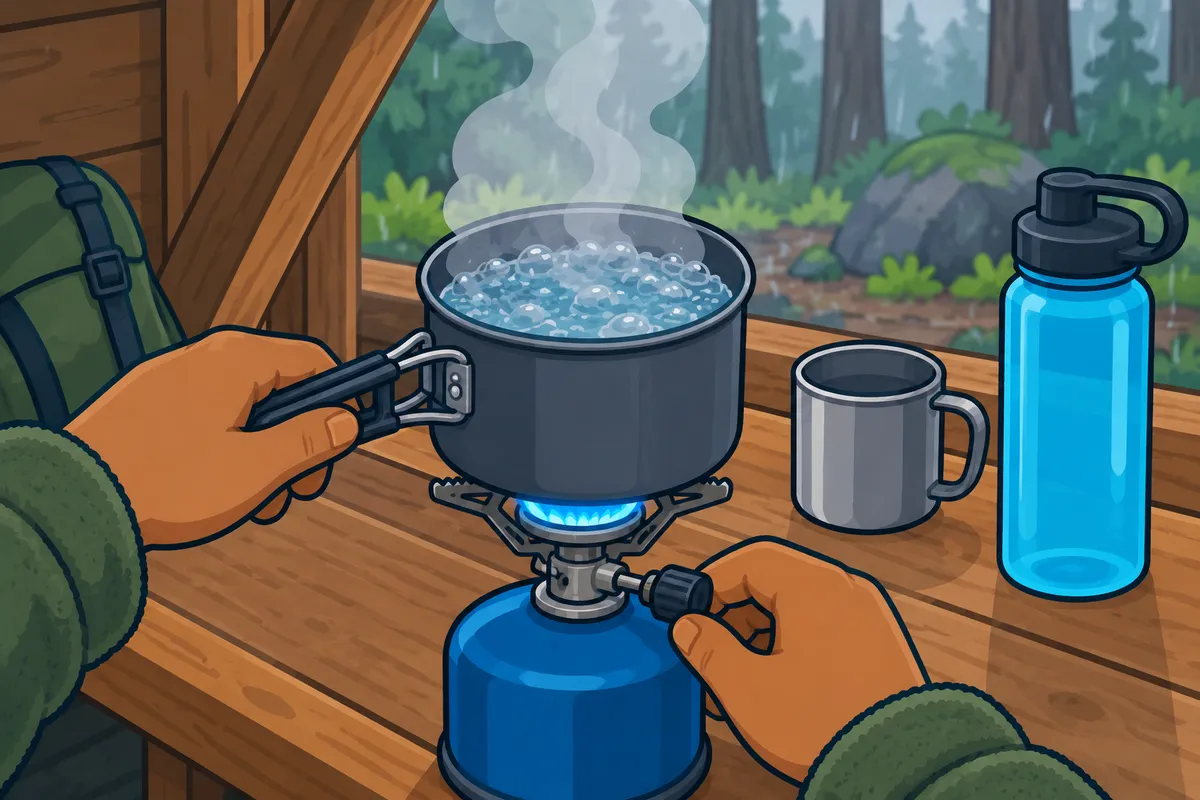
What to Do During a Boil Water Advisory
The CDC's advisory guide sets out the day-to-day rules:
Boiled or Bottled Water Only
- Drinking and cooking, even if it went through a filter or pitcher first
- Brushing your teeth
- No water or ice from the fridge dispenser
- Dishwasher only with a sanitizing cycle or a final rinse of at least 150 °F (66 °C)
Tap Water Is Fine
- Washing clothes as usual
- Watering your plants
- Handwashing with soap, unless local officials say otherwise
When Should You Call Your Health Department?
Call when you think the water made you sick, when you worry about its safety, or when it suddenly changes. A change in taste, color or smell is not always a health problem, but sometimes it is the first sign of one. Brown water after a main break, for example, is usually rust stirred loose in the pipes.
Does Your Water Source Change How Much You Drink?
No. Tap, filtered, boiled and bottled water all count the same toward your goal, and so does almost every other drink. Your goal comes from your body, your activity and your climate, not from where the water came from.
If you are choosing between the tap and the store, bottled water is held to limits that follow the EPA's, so it is not safer as a rule. Coffee and tea made with your tap water count too.
Read Your Water Report and Ask About Lead
Your next step, by the water you have
- City waterLook up this year's report for your address and read the violations column
- A private wellBook a test for coliforms, nitrates, pH and dissolved solids
- An older homeAsk your utility whether a lead service line serves it
- Drinking, cooking or making formulaCold tap water only
- A filter on your tapCheck its NSF label for what it removes
General information for healthy adults, not medical advice. If a doctor has set your fluid amount, follow that.
More in What Counts
Sources
- CDC. About Drinking Water, 2025.
- CDC. Drinking Water Facts and Stats, 2024.
- US Environmental Protection Agency. CCR Information for Consumers, 2025.
- CDC. How to Read Drinking Water Quality Reports, 2024.
- CDC. Guidelines for Testing Well Water, 2024.
- US Environmental Protection Agency. Reduce Your Risk of Lead Exposure at Home, 2026.
- CDC. About Lead in Drinking Water, 2025.
- CDC. Drinking Water Advisories: An Overview, 2024.
- US Environmental Protection Agency. Per- and Polyfluoroalkyl Substances (PFAS) in Drinking Water, 2026.
- CDC. About Choosing Home Water Filters, 2024.
Sources checked by the Glubbo Editorial Team on Oct 19, 2026. General information, not medical advice. How we write and check our guides.

