Drinking Habits · Building the Habit
How to Drink Water When You Are Not Thirsty, Without Forcing It
Drink at set moments instead of waiting for the urge, and know when low thirst needs a doctor.
 By the Glubbo Editorial Team · Updated Nov 2, 2026 · 9 min read
On This Page
- Do You Need to Drink Water if You Are Not Thirsty?
- Why Don’t I Feel Thirsty?
- How Do You Know You Need Water if You Are Not Thirsty?
- How to Drink Water When You Are Not Thirsty
- Is It Bad to Drink Water When You’re Not Thirsty?
- How Can I Drink More Water Without Forcing Myself?
- When Low Thirst Is a Reason to See a Doctor
- Set Up Tomorrow's Six Drinks Tonight
- Sources
Short answer
Low thirst is often normal; add set drink times if needed.
- If you drink little, put a glass at waking, one with each meal and a small bottle by noon.
- The guide is 6 to 8 cups of fluid a day: 48 to 64 oz for 8 oz cups.
- Aim for pale yellow pee; if it runs dark, add a drink.
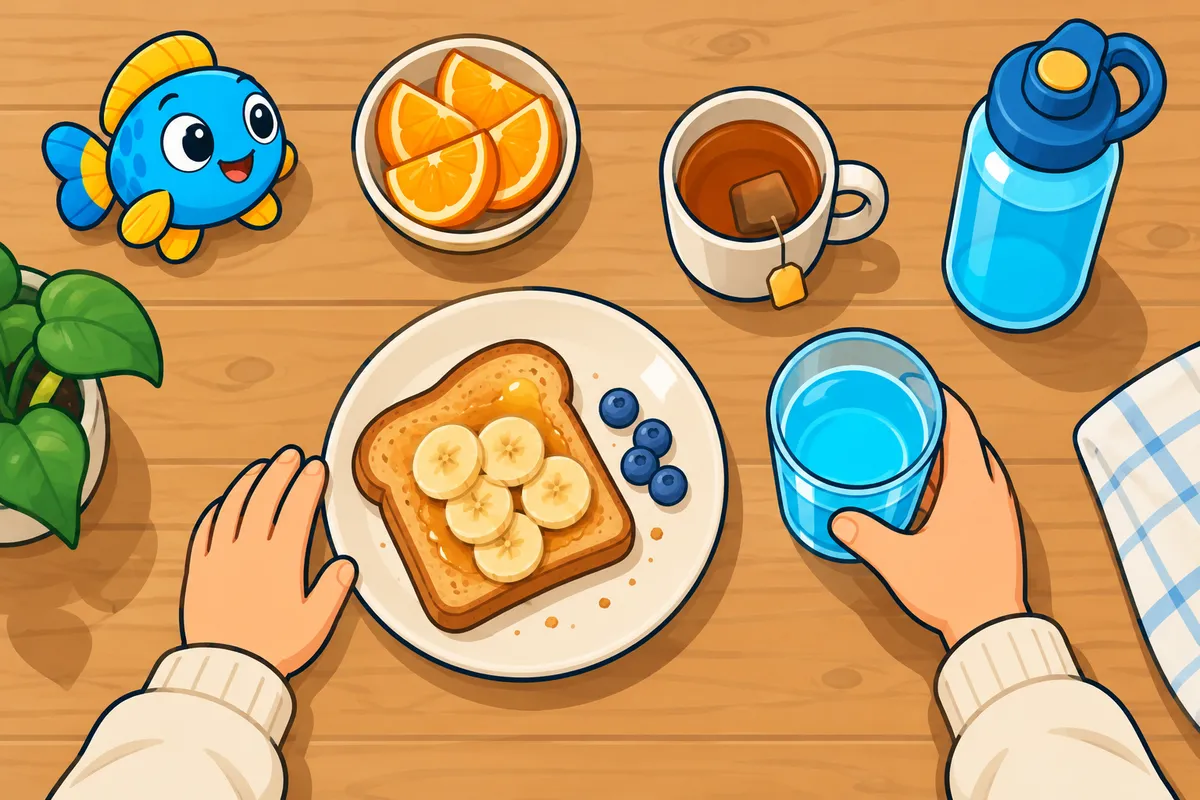
Feeling no thirst is often normal. If your days still add up to very little to drink, tie drinks to fixed moments: a glass when you get up, a drink with every meal and a small bottle you finish by a set time. Aim for clear, pale yellow pee; if yours runs darker, add a drink.
Plenty of healthy people go a whole cool, quiet day without once wanting a drink. By evening they have had one coffee and a few sips at dinner, and that is the kind of day this page is for.
Do You Need to Drink Water if You Are Not Thirsty?
Not always. MedlinePlus, the US National Library of Medicine's health site, says "Not being thirsty at times during the day is normal, if the body does not need more fluid." A plan helps when the day keeps adding up to very little; your pee color and your drink count are two hints to read with how you feel.
Thirst has help on most days. The US National Academies' water report credits "the combination of thirst and the consumption of beverages at meals" with keeping you hydrated. The same report notes that people "tend to under-replace their fluid needs over the short term", then catch up over the next 24 hours.
So a quiet morning is no emergency. A pattern of quiet days is different, and how far you can trust thirst is a separate question with its own answer: yes at rest, less so in heat, long exercise and later life.
Why Don’t I Feel Thirsty?
Usually because your body is losing little water, or because your food and other drinks already covered it: a cool day spent sitting down costs you little sweat, and coffee, tea, soup and fruit all count. Less often, a busy day simply drowns the signal out, and rarely, low thirst is a symptom.
Match the reason to what you do about it
- Cold weather, or a heated office in winterThirst is easy to miss; use set drink times
- A still day at a desk or on the sofaMeals and a waking glass are often enough
- Soup, fruit, coffee or tea already in your dayCount them before adding plain water
- A packed day with no gap to notice thirstOne bottle with a finish-by time
- Thirst that used to come and has stoppedTell your doctor
Cold and Stillness
A chilly walk or a ski day can pass with no urge to drink even though you are still losing water, and the cold-weather page covers what to plan for. A day on the sofa is the other case: you lose little, so low thirst may simply be accurate.
Food and Other Drinks
Food carries more water than people expect. In the US survey data the National Academies used, about 20 percent of water comes from food, and the rest from drinks of every kind. The NHS agrees that "We also get some fluids from the foods we eat."
A Busy Day
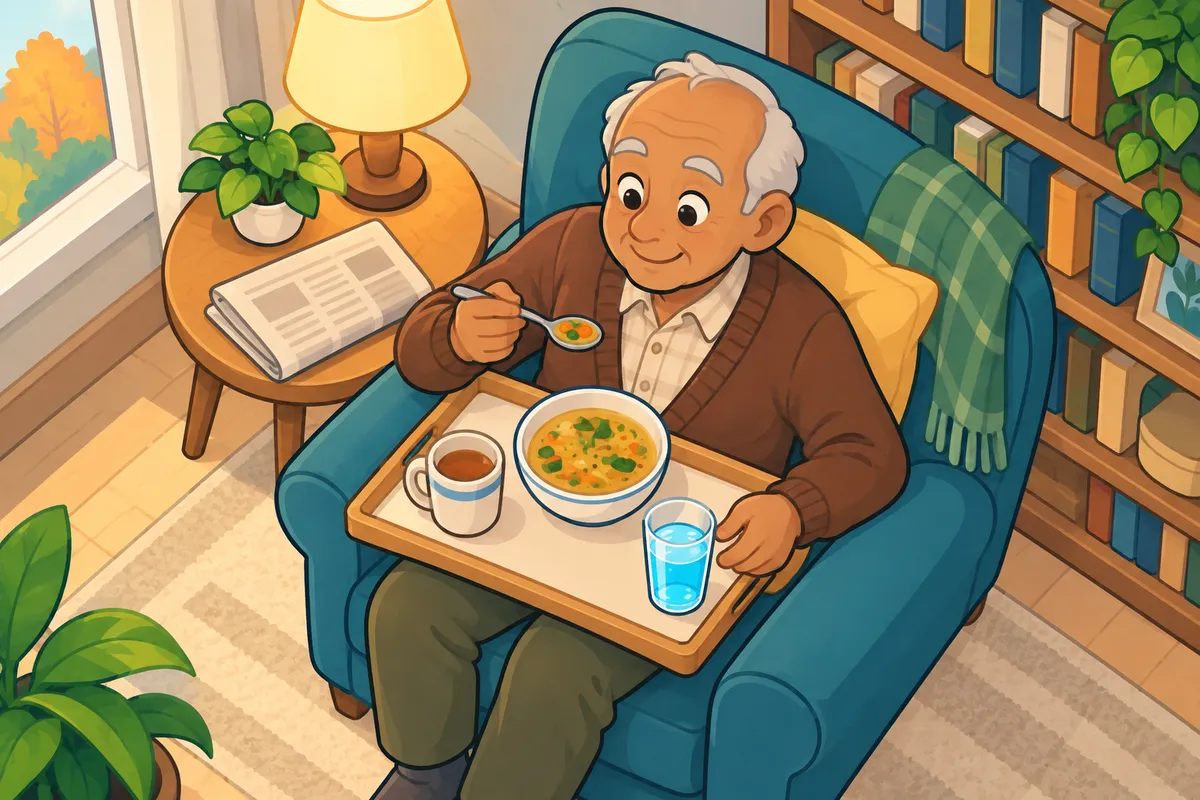
The signal can arrive and go unanswered. A run of meetings, a shift on your feet or a toddler at home leaves no moment to notice a dry mouth, so the day ends with almost nothing drunk.
How Do You Know You Need Water if You Are Not Thirsty?
Look at your pee and count your drinks. Aim for clear, pale yellow pee; dark yellow, strong-smelling pee or peeing less often than usual are signs you may be short. A day well under the guide of 6 to 8 cups is a second hint.
The other signs on the NHS dehydration list are easy to blame on something else. Here they are without thirst, the one sign you are not getting.
Signs you are short when thirst stays quiet
5 items- Dark yellow, strong-smelling pee
- Peeing less often than usual
- A headache or feeling light-headed
- Feeling tired
- A dry mouth, lips and tongue
If you are unsure what counts as dark, a urine color chart puts the shades side by side. Color is one hint among several, so read it with how you feel and what you drank; the first pee of the day is naturally darker, so a mid-afternoon look is fairer.
No thirst today: what to do
1Is your pee clear to pale yellow, and are you peeing as often as usual?
YesLeave the day alone. Low thirst is normal when you do not need more fluid, as MedlinePlus says.
No2Is it dark yellow, strong-smelling or less often than usual, and have you drunk little?
YesAdd a drink. Have a glass now, then use set drink times for the rest of the day.
NoOtherwiseContact a doctor or nurse line. If thirst you used to feel has stopped, or symptoms such as dizziness or very little pee last, follow the advice below.
How to Drink Water When You Are Not Thirsty
Decide the amount in the morning, attach each drink to a moment that happens anyway and keep each one small. With no thirst to prompt you, attach each drink to something that already happens, such as breakfast. This takes about five minutes to set up, once.
Turn 6 to 8 Cups Into Your Own Containers
The NHS gives 6 to 8 cups or glasses of fluid a day as its guide and does not name a cup size. This page assumes the US 8 oz cup (about 237 ml), which makes the guide 48 to 64 oz, or roughly 1.4 to 1.9 liters. Treat it as a rough guide you may fall under or go over.
The same page says you may need more when hot, active for long periods, ill, pregnant or breastfeeding. If a doctor has set your fluid amount, follow theirs.
For comparison, the US National Academies report records that adults aged 19 to 30 in its survey data drank about 2.2 L (women) and 3.0 L (men) from beverages, with food on top. That is what people were observed to drink, not a target. If your day sits well below the NHS guide, use the cup guide as a starting point and watch your pee and how you feel.
| What you drink from | Size | Fills for 6 cups (48 oz) | Fills for 8 cups (64 oz) |
|---|---|---|---|
| Small glass | 8 oz (237 ml) | 6 | 8 |
| Coffee mug | 12 oz (355 ml) | 4 | 5 and a third |
| Standard bottle | 16.9 oz (500 ml) | about 3 | about 4 |
| Tumbler | 24 oz (710 ml) | 2 | 2 and two thirds |
Measure your own glass or mug once if you are not sure; a measuring jug and a tally make the count honest.
Drink at Moments, Not at Feelings
Pick five or six moments you never skip and give each one a drink. Waking, each meal, sitting down to work and getting home are the usual anchors, because they happen whether you feel thirsty or not.
Six fixed drinks for a day with no thirst
- 7 AM
- 8 AM
- 10:30 AM
- 12:30 PM
- 3 PM
- 7 PM
The CDC's list of ways to drink more water includes "Serve water during meals," and meals are the easiest anchor for a no-thirst day: the glass is already on the table. The CDC also suggests you "Carry a reusable water bottle with you," which covers the hours between meals.
If you want the times worked out for you, the schedule tool spreads a daily amount over your waking hours.
Keep Each Drink Small
A full pint is hard to finish when you do not want it. An 8 oz glass is easy, and six of them come to 48 oz, the low end of the NHS guide.
Spread the drinks out instead of saving them for the evening. Drinking a liter at once to catch up is the wrong fix, because your kidneys can only clear so much an hour, and a big evening catch-up also means trips to the toilet at night.
Let Food and Warm Drinks Carry Part of It
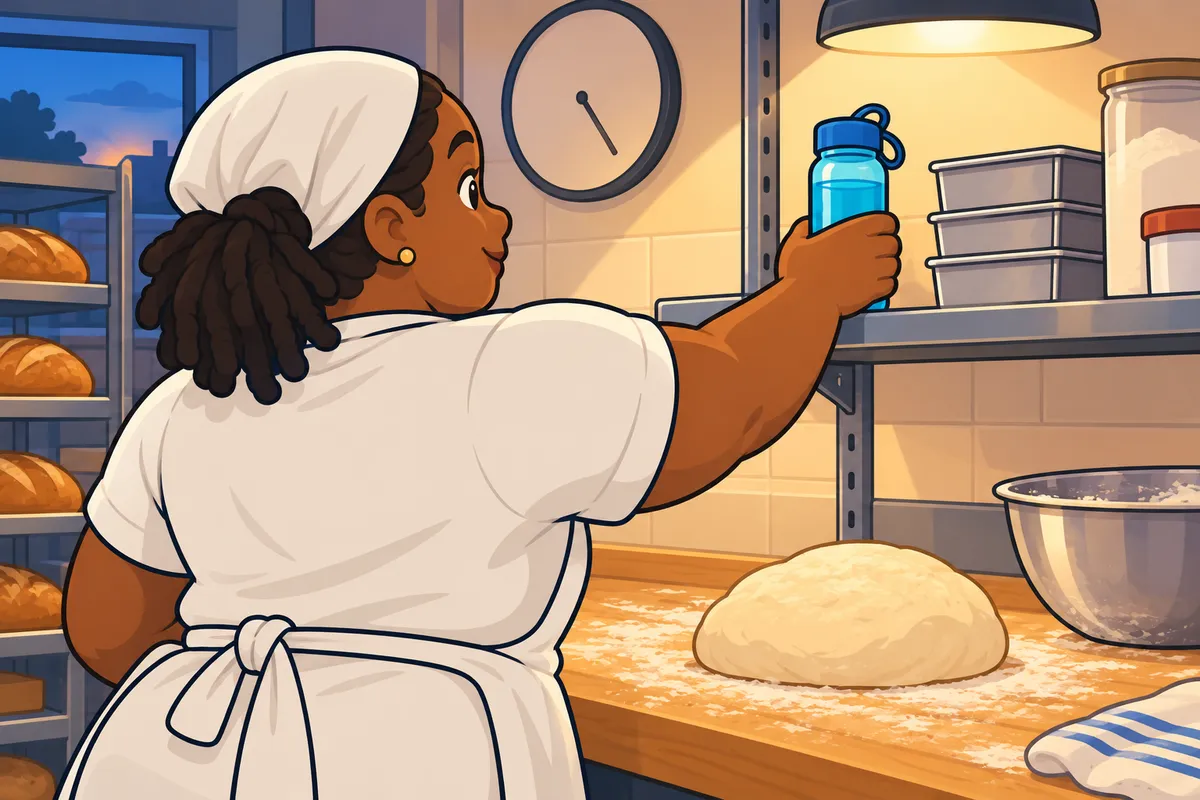
Soup at lunch, fruit after dinner and a mug of tea in the afternoon all add water, and on a cold day they are easier to want than a glass of cold water. Cucumber, lettuce and melon hold more water by weight than most foods.
The plan adds four drinks to what he already has, all at moments he already keeps.
Is It Bad to Drink Water When You’re Not Thirsty?
No, not in everyday amounts spread across the day. Drinking to a plan is one way to reach a usual intake when the urge is quiet. The risk comes from forcing large amounts fast, or drinking far past what you lose, so keep drinks small and spread out, and ease off once your pee is pale yellow and you feel fine.
One group should not follow a general plan. If a doctor has set your fluid amount, for heart or kidney disease for example, follow that number.
How Can I Drink More Water Without Forcing Myself?
Three changes make it easier:
- Make each drink smaller.
- Tie it to something you already do.
- Choose a drink you like.
Forcing means big glasses at random times when you do not want them; a plan means small ones at times you never miss.
If plain water itself is what puts you off, cold, fizzy or fruit-infused water are the easy fixes. Once the six drinks feel automatic, the same trick can carry every glass of an ordinary day.
When Low Thirst Is a Reason to See a Doctor
Talk to a doctor if thirst you used to feel has stopped, or if your need for fluids changes quickly. MedlinePlus says "Contact your provider if you notice any abnormal lack of thirst," and advises seeing a provider promptly after "a rapid change in the need for fluids."
Its list of possible causes includes a stroke and an injury or tumor of the pituitary gland or hypothalamus. Only a doctor can tell those from an ordinary quiet day, so a change that lasts is worth the appointment.
Set Up Tomorrow's Six Drinks Tonight
Set up tomorrow's six drinks tonight
- Put a glass by the kettle or the coffee maker for the morning
- Fill a bottle and leave it with your keys, with a finish-by time in mind
- Plan a drink with each of your three meals, tea and soup included
- Look at your pee at the afternoon break; add one drink if it is dark and you have drunk little
General information for healthy adults, not medical advice. If a doctor has set your fluid amount, follow that.
More in Drinking Habits
Sources
- MedlinePlus (US National Library of Medicine). Thirst - absent, 2025.
- NHS. Water, drinks and hydration, 2023.
- NHS. Dehydration, 2026.
- National Academies of Sciences. Dietary Reference Intakes for Water, Potassium, Sodium, Chloride, and Sulfate: Chapter 4, Water, 2005.
- CDC. About Water and Healthier Drinks, 2026.
Sources checked by the Glubbo Editorial Team on Nov 2, 2026. General information, not medical advice. How we write and check our guides.

