How Long Can a Cat Go Without Water? Food, Heat and Weekends
What vets say about days without water, why food changes the clock for cats, and how to leave water for a weekend away.
 By the Glubbo Editorial Team · Updated Oct 19, 2026 · 8 min read
On This Page
Short answer
Days at most, and vets stop a water test at 5 %.
- The Merck Veterinary Manual says a lack of water can kill in a matter of days.
- One day's water for a cat is about 52 ml per kg, close to 5 % of its weight.
- Wet food keeps water coming; a cat that stops eating loses that too.
A healthy adult cat survives about three days without water at the very most, and starts to dehydrate within one, so no cat should ever be left that long. Vets would never let a cat get near that point.
People ask this before a weekend away, or after a cat turns up from two days shut in a neighbor's garage, and both deserve the same answer.
General information for adult cats, not veterinary advice. A cat that has gone without water and seems unwell needs a vet.
How Long Can a Cat Go Without Water?
A few days at most to survive, and far less before vets would step in. The Merck Veterinary Manual states that a lack of water can lead to death in a matter of days.
A vet-written guide on PetsRadar puts a healthy adult at about three days, with dehydration starting within 24 hours and vital organs damaged beyond 72 hours. No study has measured the limit, so treat three days as the ceiling and not a plan.
A Cat That Keeps Eating Wet Food
- Food can be up to 80 % water (Cornell)
- Water keeps coming in with each meal
- Still needs a bowl, but buys time
A Cat With No Water and No Wet Food
- Dry food is only 3 % to 11 % water (Merck)
- Nothing replaces what it loses
- Can start to dehydrate within 24 hours (PetsRadar vet)
Two vet figures give a rough sense of scale. The Cornell Feline Health Center puts a cat's need at about 4 ounces per 5 pounds a day, about 52 ml per kg. Five percent of body weight is 50 ml per kg, almost exactly one day's water.
Why 5 % Is the Line That Matters
Vets treat 5 % as the point to stop. When the Merck Veterinary Manual describes a supervised water-restriction test for dogs and cats, it cuts water gradually, examines the animal daily, and ends the test at "5% dehydration (or loss of 5% of body weight)".
Merck adds that "an abrupt withdrawal of water is not recommended." So a cat that loses all its water at once, in a shut garage or with a dry bowl, is already outside anything a vet would allow.
| Cat's weight | Water a day (Cornell) | 5 % of weight as water |
|---|---|---|
| 3 kg (6.6 lb) | about 157 ml | 150 ml |
| 4 kg (8.8 lb) | about 209 ml | 200 ml |
| 5 kg (11 lb) | about 261 ml | 250 ml |
| 6 kg (13.2 lb) | about 313 ml | 300 ml |
The two columns are almost the same at every weight. Merck works out missing water as weight in kg times the share lost, so a day of water is about the 5 % line for any size of cat. That sum is a rough yardstick, not a clock: how fast a real cat loses water depends on heat, food and health.
For a cat with no water and no wet food, a single dry day already puts it near the line where vets stop a test.
What a 5 % Loss Looks Like
Less than you might expect, which is why waiting for signs is risky. Merck's fluid chapter says semidry gums with normal skin and normal-looking eyes point to 4 to 5 % dehydration.
Dry gums and mild loss of skin elasticity point to 6 to 7 %. Retracted eyes and a weak, rapid pulse suggest 8 to 10 %.
| Body weight lost as water | What a vet sees (Merck) |
|---|---|
| 4 to 5 % | Semidry gums, normal skin elasticity, eyes moist |
| 6 to 7 % | Dry gums, mild loss of skin elasticity, eyes still moist |
| 8 to 10 % | Dry gums, clear loss of skin elasticity, eyes sunk back, weak rapid pulse |
A cat can therefore be a day short of water and still pass a quick look. Judge it by its energy and appetite as well as its gums, and call early.
Can a Cat Go Longer Without Water if It Eats Wet Food?
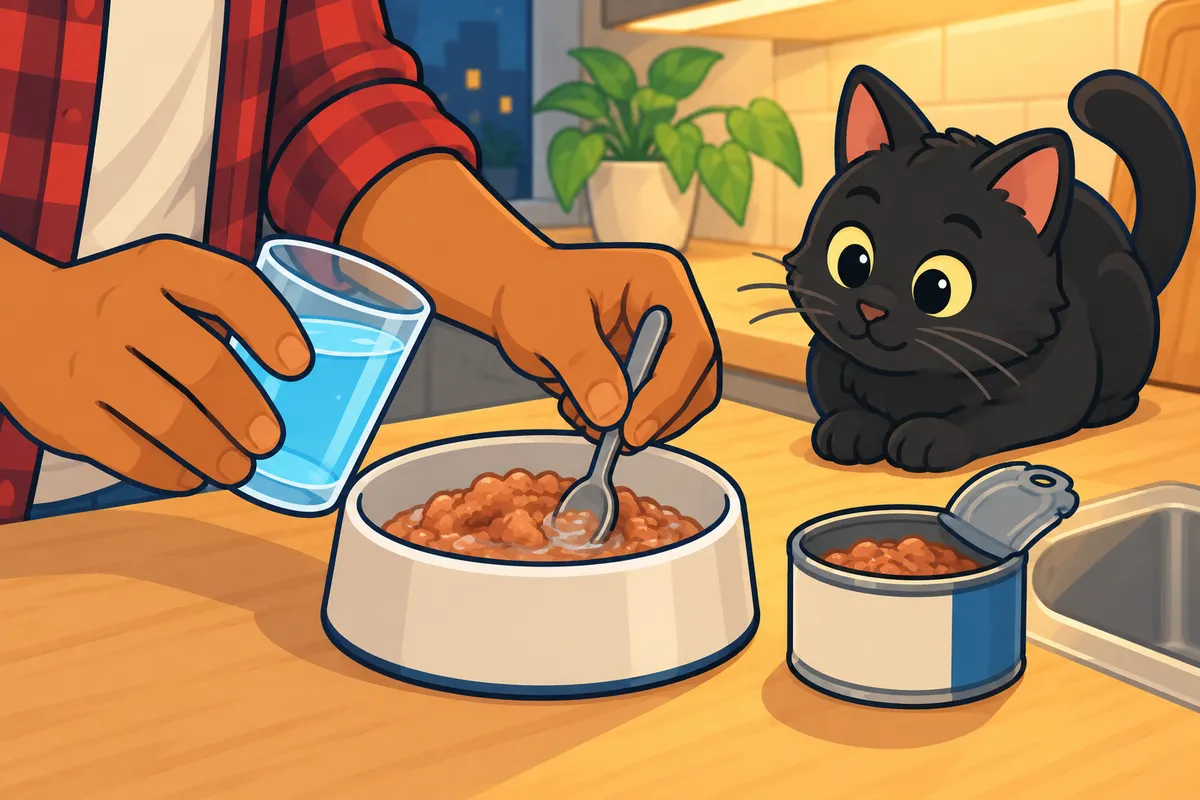
Yes, as long as it keeps eating. Cornell says wet food can be up to 80 % water, and Merck notes that cats on canned food generally drink less than cats on dry food, because the meals carry so much of their water.
The catch is that sick cats stop eating. Cornell lists a poor appetite among the reasons a cat takes in less water, so a cat that is unwell often loses its food water and its bowl water together.
How Long Can a Kitten Go Without Water?
Much less than an adult: the PetsRadar vet says a kitten may show signs of dehydration in as little as 8 hours and can become critically ill within about a day, because kittens lose moisture fast for their size. Young kittens are also harder to judge: Merck's fluid chapter warns that very young animals may have extra skin elasticity, so the skin test can look normal in a kitten that is short of water.
A kitten that has missed water for part of a day and seems quiet, weak or off its food should see a vet the same day. Do not wait for the skin to change.
How Long Can a Cat Go Without Water in the Heat?
Less time again, though no source gives a number of hours. International Cat Care says cats drink more to make up for water loss in warmer weather, so on a hot day the bowl matters more and a missed day leaves a cat further short.
A cat shut in a hot shed, car or conservatory is in the worst case: more water going out, none coming in. Treat any cat found that way as an emergency.
What Should You Do if Your Cat Was Shut In Without Water?
Offer water and a little food at once, then watch closely and call your vet. Cornell lists lack of access to water among the causes of dehydration, from an owner failing to provide it to an outdoor life with no water, and advises contacting a vet promptly if you suspect dehydration.
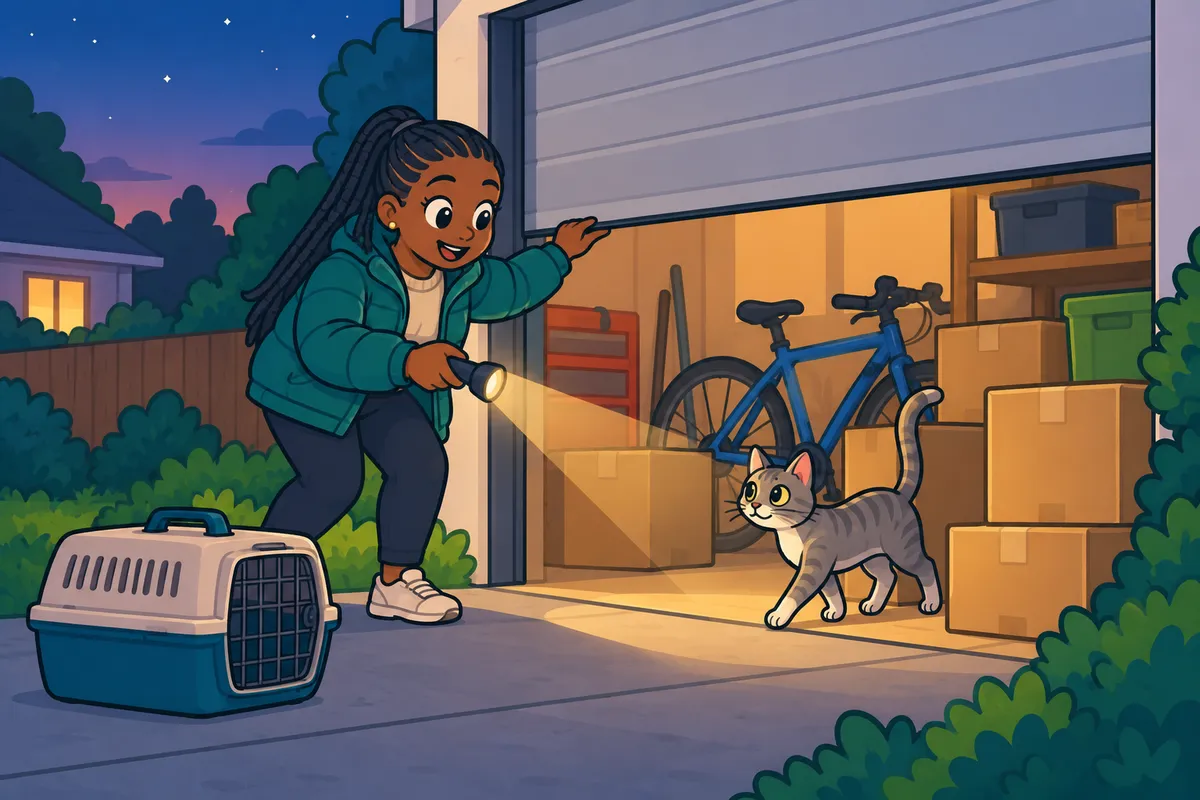
Let the cat drink at its own pace in a quiet room. Then look at it, not only the bowl.
Call even without these signs in two cases:
- The cat was shut in for about a day or longer, or for less in heat.
- It is a kitten, an older cat or has kidney disease, diabetes or an overactive thyroid.
Cornell names those three diseases as causes of extra water loss, so those cats keep losing water even when none comes in.
Cats That Run Short Faster
Some cats have less time than the 5 % sum suggests, because water keeps leaving their bodies while none arrives. Cornell and International Cat Care name the reasons:
- Chronic kidney disease, diabetes or an overactive thyroid (Cornell).
- Diuretic medicines, such as those used for heart disease (Cornell).
- Vomiting or diarrhea in the last day or two (Cornell, International Cat Care).
- Warm weather, which makes cats drink more to make up for losses (International Cat Care).
A cat on that list that misses its water for even part of a day needs a vet sooner, not later.
Treatment at the Clinic
Cornell says a vet treats dehydration with fluids, given into a vein or under the skin, and then looks for the cause. For a cat that was simply shut in, you already know the cause; for a cat that stopped drinking at home, finding the reason is the main job.
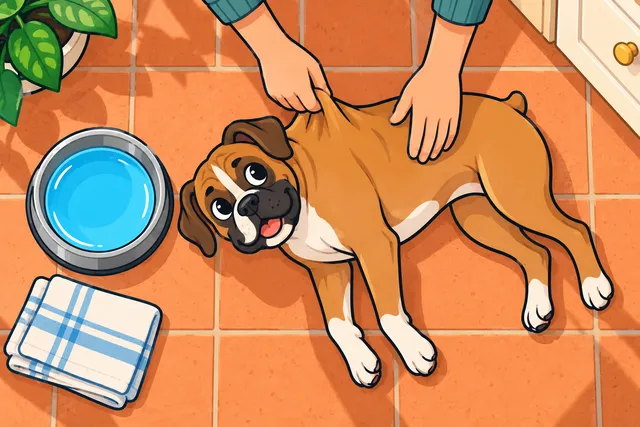
At home, pinching the scruff and touching the gums gives a rough check, though both mislead in older cats. A cat with a full bowl that will not touch it is a different case: wet food alone can explain a cat that rarely drinks, and illness has to be ruled out.
Water for a Cat Left Home Alone
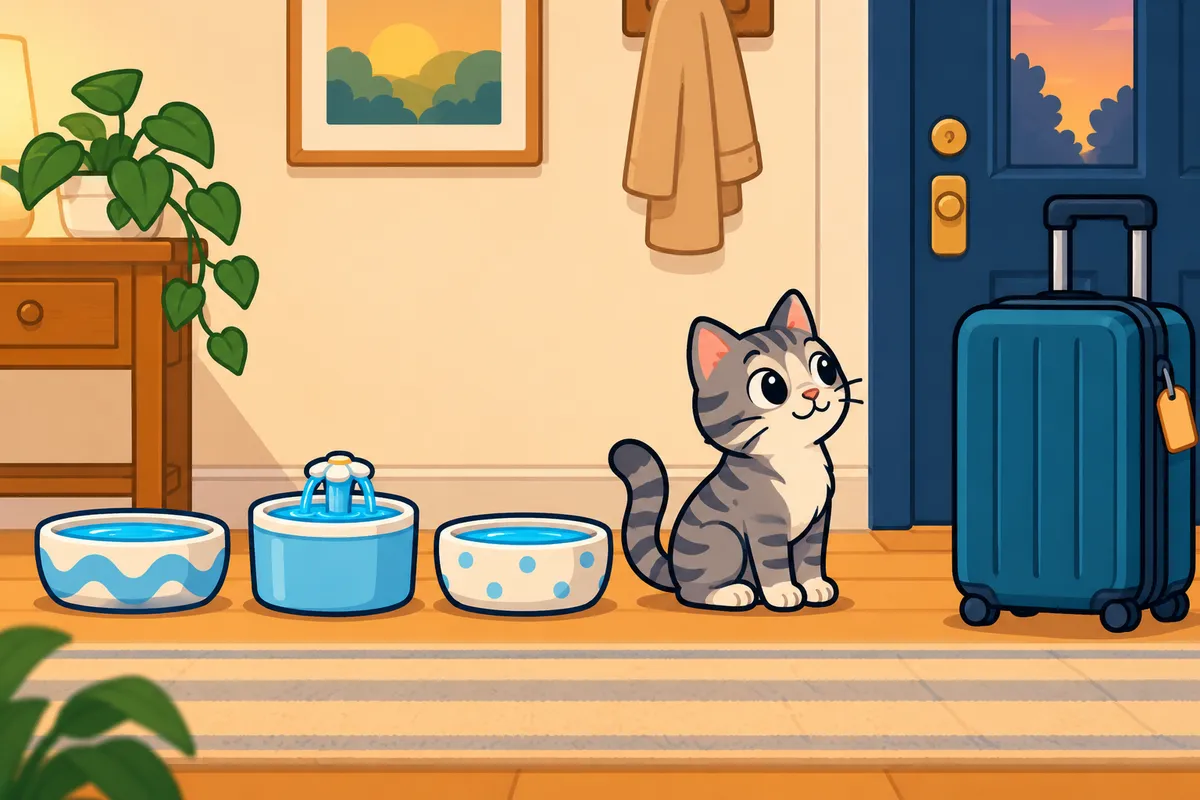
Leave more water than the cat needs, in more than one place, and have someone check. Merck says multiple water sources encourage drinking, which matters most for cats, and spares you a tipped bowl undoing your plan.
Size it from Cornell's rule. A 5 kg (11 lb) cat needs about 261 ml a day, so a two-day weekend is about 520 ml of drinking water in total, before any spill or evaporation.
| Cat's weight | 1 day | 2 days | 3 days |
|---|---|---|---|
| 3 kg (6.6 lb) | 157 ml | 314 ml | 471 ml |
| 4 kg (8.8 lb) | 209 ml | 418 ml | 627 ml |
| 5 kg (11 lb) | 261 ml | 522 ml | 783 ml |
| 6 kg (13.2 lb) | 313 ml | 626 ml | 939 ml |
These totals include the water in food, so a cat on wet food drinks less of them from the bowl. Leave at least double the total anyway, split across bowls in the rooms the cat uses, because one tipped bowl or a hot afternoon can use up the margin. The cat water calculator gives the one-day figure for any other weight.
Ways to leave water while you are away
Several wide bowls
Simplest backup
- In each room the cat uses (Merck)
- Heavy, so one knock does not empty all
- Double the total, split across them
Suits you if you are away one night and the cat is healthy.
A water fountain
For cats that like running water
- Some cats drink more from one (Cornell)
- Test it runs before you leave
- Fails if the power or pump stops
Suits you if your cat already uses one, with a plain bowl beside it.
A sitter who visits
For more than a night
- Fresh water and food every day
- Someone sees if the cat is unwell
- Shortens any dry stretch to hours
Suits you if you are away two nights or more, or your cat is old or ill.
Whichever you choose, put a plain bowl beside it. A fountain can stop; a heavy bowl of water cannot.
General information for healthy adults, not medical advice. If a doctor has set your fluid amount, follow that.

More in Pets
Sources
- Merck Veterinary Manual. Nutritional Requirements of Small Animals, 2024.
- Cornell Feline Health Center. Hydration, 2021.
- PetsRadar (Emma Chandley, BVetMed MRCVS). How long can cats go without water?, 2025.
- Merck Veterinary Manual. Diabetes Insipidus in Animals, 2024.
- International Cat Care. Increased Thirst and Drinking, 2025.
- Merck Veterinary Manual. The Fluid Resuscitation Plan in Animals, 2025.
Sources checked by the Glubbo Editorial Team on Oct 19, 2026. General information, not medical advice. How we write and check our guides.

