Outdoors and Travel · Trips and Destinations
Can You Drink Tap Water When Traveling Abroad? How to Check First
The CDC's rule for travelers, how to check your destination, and what to do with the tap in your hotel room.
 By the Glubbo Editorial Team · Updated Oct 19, 2026 · 9 min read
On This Page
- Can You Drink Tap Water When Traveling Abroad?
- Which Countries Have Safe Tap Water?
- Is Bottled Water Safe to Drink Abroad?
- Is Hotel Tap Water Safe to Drink Abroad?
- How Do You Make Tap Water Safe in a Hotel Room?
- What Should You Do If You Drank Tap Water Abroad?
- What About Water for Babies and Children Abroad?
- A Ten-Day Bottle Count and a Peru Itinerary
- Staying Hydrated on the Flight Over
- Pack a Dropper, a Sealed Bottle and a Printed Hotel Answer
- Sources
Short answer
Only when you are reasonably sure it is safe.
- CDC: avoid tap water in your mouth unless you are reasonably certain it is safe.
- Factory-sealed bottled water is the safest option for most travelers.
- No sealed bottle? Boil 1 minute, or 1 to 2 drops of bleach per liter.
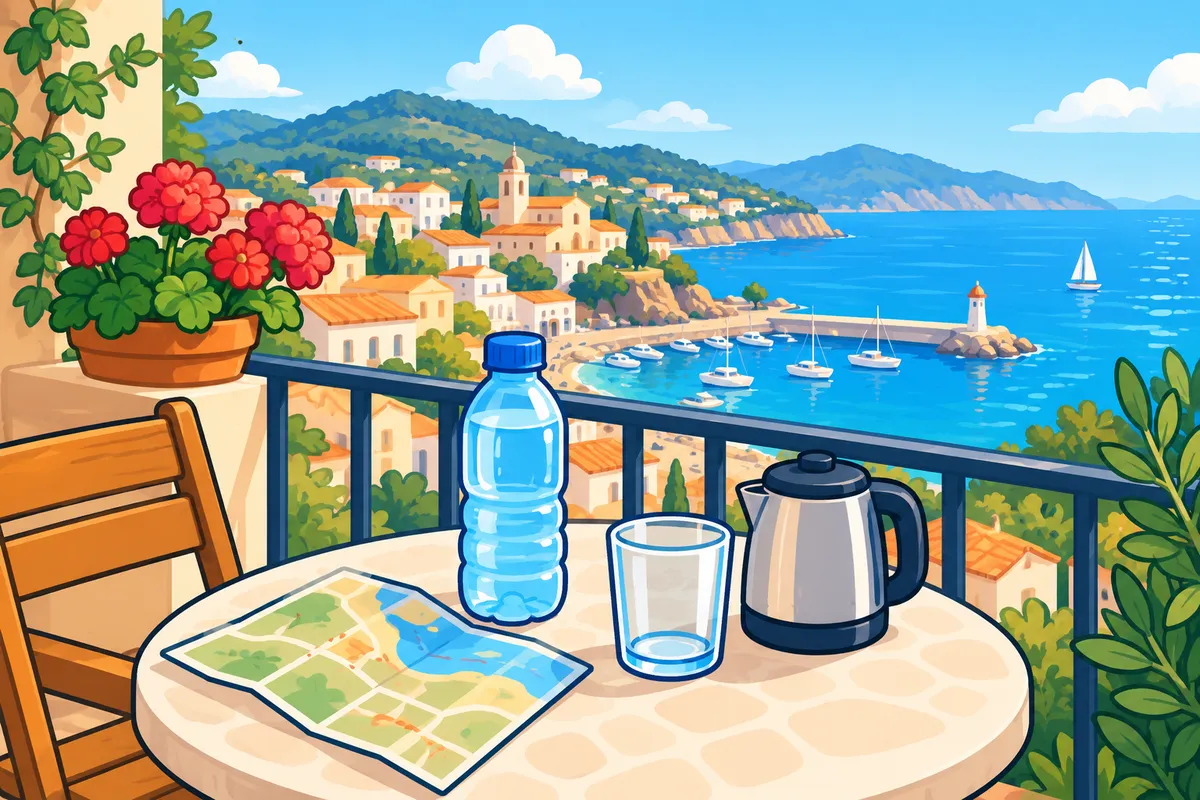
Not unless you are reasonably sure it is safe. That is the CDC Yellow Book rule: travelers "should avoid drinking or putting tap water into their mouths unless they are reasonably certain the water is safe", because where treatment and sanitation are poor, tap water can carry bacteria, viruses, parasites and chemicals.
You land after a long flight, the hotel room is warm, and the only water in sight is the tap over the bathroom sink. Whether you can fill a glass from it depends less on the hotel's stars than on the water system of the town outside.
Can You Drink Tap Water When Traveling Abroad?
The rule sounds strict, but it comes with plenty of easy ways to get safe water: sealed bottles, hot drinks, a boil or a purifier. The question to ask at each destination is whether anyone can show you the tap is safe, not whether it looks clean.
- 73 %
- of the world used safely managed drinking water in 2022
- 1.7 billion
- people drank from a source contaminated with feces
- 30–70 %
- of travelers get diarrhea over a 2-week trip
The WHO fact sheet explains the size of the gap. In 2022, 73 % of people worldwide used a safely managed drinking-water service, and at least 1.7 billion drank from a source contaminated with feces.
Travelers feel it fast. The Yellow Book chapter on travelers' diarrhea puts attack rates at 30 to 70 % over two weeks, varying with the destination and the season, with bacteria behind most cases.
The CDC's travel page adds a warning for anyone judging by eye: contaminated water can look clean and still carry bacteria, viruses and parasites.
Which Countries Have Safe Tap Water?
No CDC list names them. The CDC's destination pages say only that food and water standards vary by destination, so you check each place yourself.
Check a Destination in Five Moves
- Read the CDC Travelers' Health page for the country
- Find the water utility or health ministry notice for the city
- Search for current boil or do-not-drink notices
- Ask the hotel if it treats its water on site
- Plan sealed bottles or your own treatment for the rest
The CDC page for Mexico, for one, says "Food and water standards around the world vary based on the destination" and points to safe eating and drinking habits, without a verdict on the tap, so a Mexico trip gets its own water plan built from those habits.
Hepatitis A as a Rough Sign
Hepatitis A spreads through contaminated food or water, and the CDC maps where it is common. That map is a fair first clue to how much care the water needs, though the CDC drew it for vaccine advice, not for taps.
| Hepatitis A level (CDC) | Where, in the CDC's words | What to do with the tap |
|---|---|---|
| High | Parts of Africa and Asia | Sealed, boiled or treated water only; ask about the vaccine |
| Intermediate | Parts of Asia, Central and South America, and eastern Europe | Same; the CDC advises the vaccine or immune globulin before departure for susceptible travelers |
| Low | Western Europe, United States | Follow local notices; the general rule still applies |
Source: CDC Yellow Book, Hepatitis A. The chapter notes that limited data leave the maps uncertain, especially in low- and middle-income countries.
Treat the map as a reason to look closer, never as a green light: safety can differ between a capital and a village in the same country. A well-run city system and a rural well a few hours away are different waters.
Is Bottled Water Safe to Drink Abroad?
Yes, when it comes from an unopened, factory-sealed bottle. The CDC calls factory-sealed bottled water the safest option for most travelers, and the Yellow Book adds sealed carbonated drinks, commercial fruit drinks and pasteurized drinks.
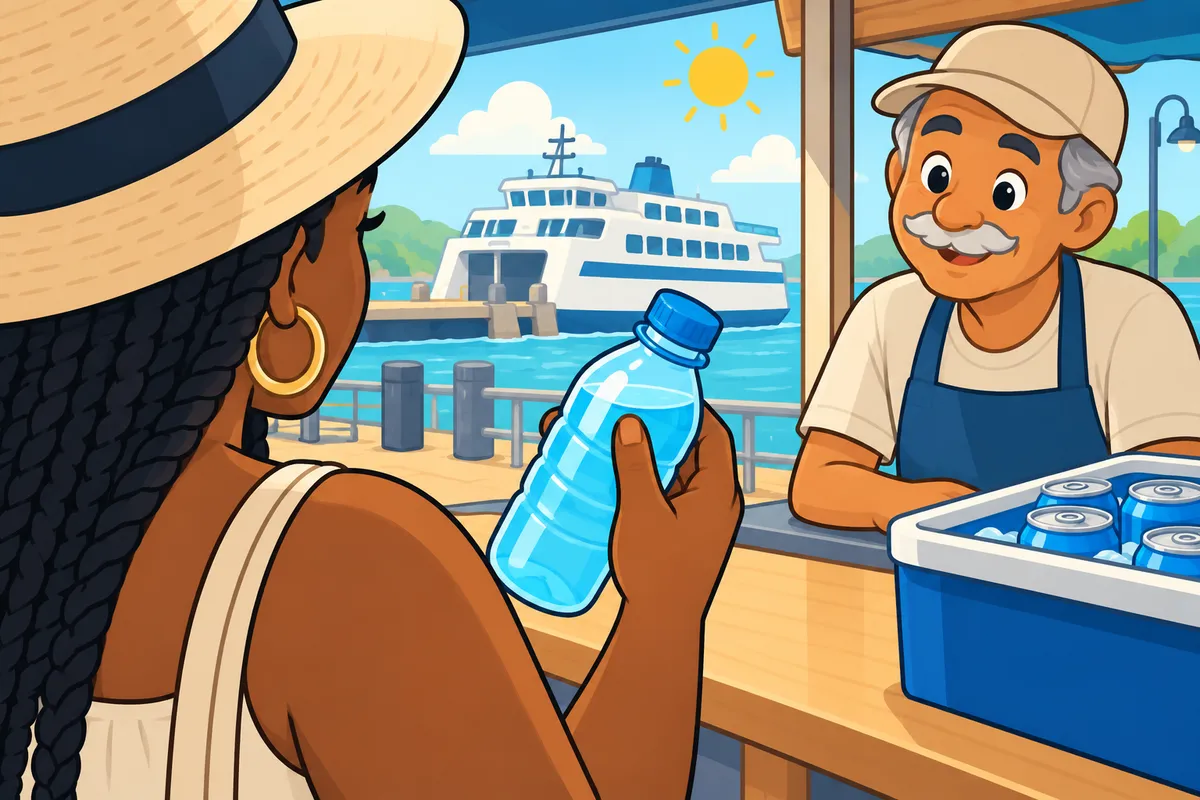
A broken seal is the thing to look for. The CDC's words are "unopened, factory-sealed", so a bottle with a loose cap or a ring that spins free belongs back on the shelf.
Wipe the outside too. The Yellow Book says the outside of cans and bottles can carry germs, so dry them before you open or drink straight from them.
Hot Drinks, Sodas and Cloudy Water
Tea and coffee made with water that has just boiled are generally safe, the Yellow Book says. Fountain drinks and anything made with tap water are not, and alcohol in a drink does not make its ice safe.
The Yellow Book's disinfection chapter also admits that in some places bottled water might not be superior to tap water. Cloudy water contains substances that neutralize chemical disinfectants, so clear it by settling or filtering before you treat it, or buy a sealed brand instead.
Is Hotel Tap Water Safe to Drink Abroad?
Hotel tap water is as safe as the town's water, unless the hotel says it treats it. The CDC's rule applies inside the room too: drink from the tap only when you are reasonably sure, which means a clear answer from the hotel in a place whose public water you trust.
Ask at the front desk whether the hotel treats its water on site and calls it safe to drink, and look for a notice in the room.
Skip the hot tap for drinking either way: the Yellow Book says hot tap water can carry more copper and lead picked up from heaters and pipes.
Brushing Teeth, Showers and Ice
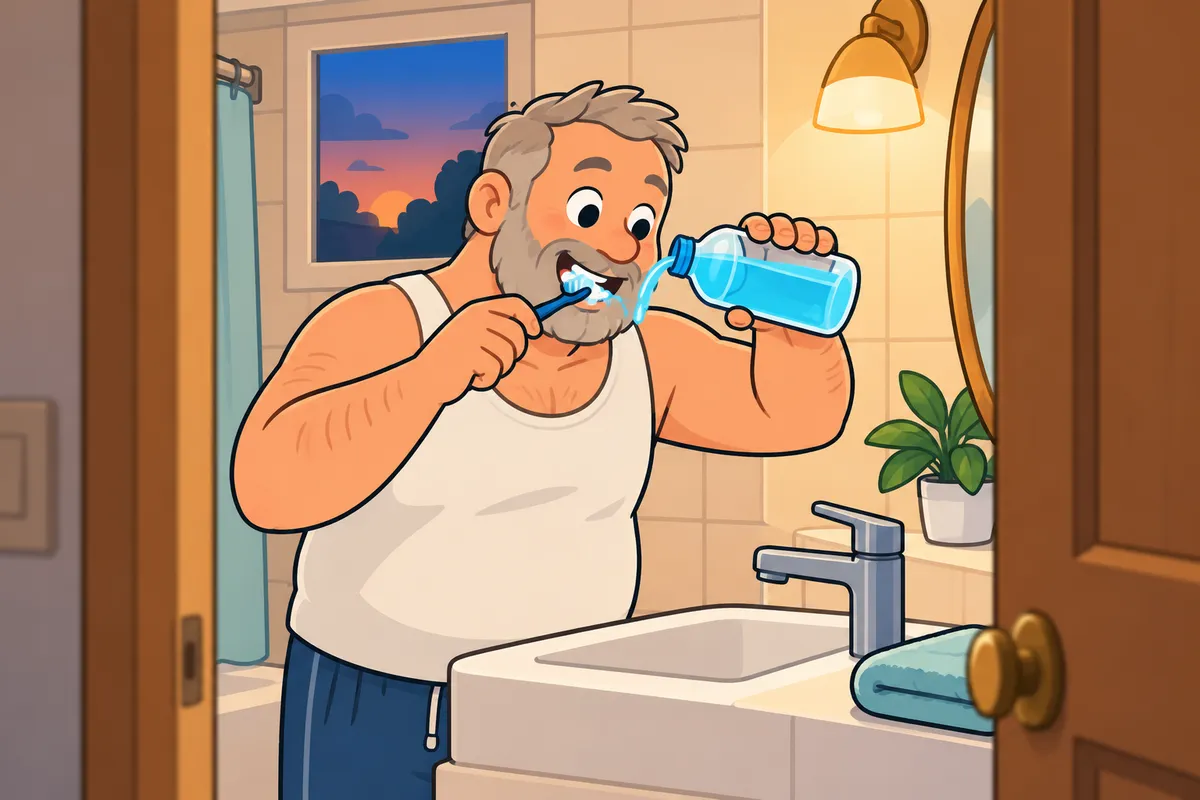
Where the tap is doubtful, brush your teeth with bottled water, keep shower water out of your mouth and skip the ice. The Yellow Book says unsafe tap water might not be safe for drinking, preparing food and beverages, making ice, cooking or brushing teeth, and asks you to avoid getting tap water in your mouth when showering or bathing.
Two more small rules round it out:
- Never rinse contact lenses with tap water, even safe tap water, the Yellow Book says.
- Ask for drinks without ice unless you know the ice came from safe water.
How Do You Make Tap Water Safe in a Hotel Room?
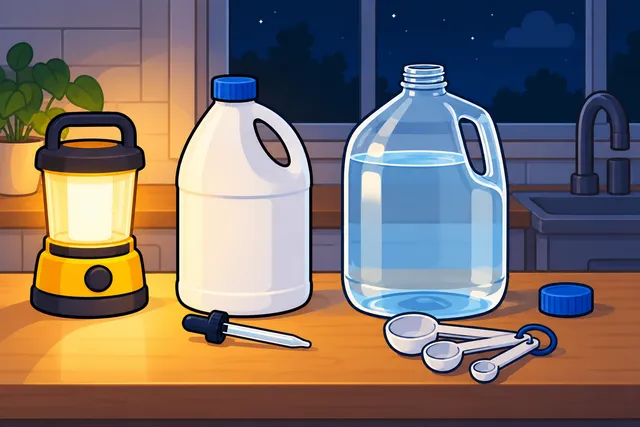
Boil it, disinfect it or run it through a purifier. The CDC asks for a rolling boil for 1 minute, 3 minutes above 6,500 feet, and the Yellow Book names a UV device or liquid bleach at 1 to 2 drops per liter for tap water.
| Method | What to do | The limit |
|---|---|---|
| Boiling | A rolling boil for 1 minute; a kettle and a clean cup let it cool | Kills everything, but needs power or a flame |
| UV pen | Treats 1 to 2 L of clear water at a time, per the Yellow Book | Clear water only; particles shield germs |
| Bleach drops | 1 to 2 drops per liter of plain unscented bleach, then wait the 30 minutes the EPA gives | Weak against Cryptosporidium |
| Purifier bottle | An ultrafilter with a 0.01 micron pore size | A charcoal-only bottle does not count |
The Yellow Book is specific about the filter. For tap water in places without well-developed water and sanitation, it asks for ultrafiltration instead of microfiltration, because the viruses a trail filter lets through are the main worry there. A microfilter you already own still works if you add chlorine dioxide tablets and their longer wait.
If the kettle switches off as soon as the water boils, switch it on again until the water has rolled for a full minute. Then let it cool in a clean cup or bottle with a lid.
What Should You Do If You Drank Tap Water Abroad?
Nothing yet; watch for symptoms. Bacterial and viral illnesses usually start within 6 to 96 hours, parasites in 1 to 2 weeks, by the Yellow Book. If diarrhea comes, drink sealed or treated fluids, and the Yellow Book says oral rehydration solution is the best way to replace severe fluid loss.
The Yellow Book names young children, older adults and adults with chronic illness as the people for whom replacing lost fluid matters most. A single sip from the tap is no reason to panic, and a perfect record is no guarantee either.
What About Water for Babies and Children Abroad?
Use sealed or sterile water for anything a baby or child puts in the mouth. The CDC advises using sterile water to prepare formula and to sterilize bottles, nipples, caps and rings when water quality is poor, and choosing bottled, canned or hot drinks and pasteurized milk.
Bring formula from home if you can, since the CDC notes you may need to bring your own, and follow the maker's instructions. For diarrhea in children, the CDC's best treatment is plenty of fluids, and it says not to give children bismuth products such as Pepto-Bismol or Kaopectate. Keep a few oral rehydration packets in the bag for the first sign of loose stools.
A Ten-Day Bottle Count and a Peru Itinerary
Staying Hydrated on the Flight Over
A long flight dries you out before you land. Cabin air runs at about 10 to 20 % humidity, well below the 30 to 50 % most people breathe at home, and the CDC Yellow Book notes that travelers should drink plenty of fluids. Bring an empty bottle through security and fill it at a water fountain in the gate area, where the water comes from the airport's public supply.
A 10-hour flight at about 250 ml an hour, roughly a cup every hour you are awake, keeps pace with the dry air. Skip the free wine and the third coffee: alcohol raises urine output for a few hours and caffeine does the same past about 400 mg, so water and juice do more for the hours ahead. If the flight lands in a country where the tap is doubtful, buy a sealed bottle in the arrival hall before you leave the airport.
Pack a Dropper, a Sealed Bottle and a Printed Hotel Answer
Before you fly, write down the three answers you need at the front desk:
- Does the hotel treat its water?
- Is the ice made from that water?
- Where is the nearest shop that sells sealed bottles?
Then pack one small dropper bottle of plain bleach and a purifier bottle or a UV pen for the days between hotels.
Keep the first sealed bottle you buy on the nightstand, so the first thing you reach for at 3 a.m. is not the bathroom tap.
General information for healthy adults, not medical advice. If a doctor has set your fluid amount, follow that.

More in Outdoors and Travel

Sources
- CDC Yellow Book. Food and Water Precautions for Travelers, 2025.
- CDC Travelers' Health. Avoid Contaminated Water During Travel, 2025.
- CDC Yellow Book (Backer and Hill). Water Disinfection for Travelers, 2025.
- CDC Yellow Book. Travelers' Diarrhea, 2025.
- CDC Yellow Book. Hepatitis A, 2025.
- World Health Organization. Drinking-water (fact sheet), 2023.
- CDC Travelers' Health. Traveling Safely With Children, 2025.
- CDC Travelers' Health. Mexico: Traveler View, 2026.
Sources checked by the Glubbo Editorial Team on Oct 19, 2026. General information, not medical advice. How we write and check our guides.

