Outdoors and Travel · Trips and Destinations
Can You Drink Mexico Water? What to Drink, Skip and Treat
Which drinks are safe in Mexico, from resort taps to the blue garrafón jug, and a water plan for each kind of stay.
 By the Glubbo Editorial Team · Updated Oct 19, 2026 · 10 min read
On This Page
- Can You Drink Mexico Water?
- Is It Safe to Drink Water in Mexico City?
- Why Is the Water in Mexico Bad?
- Is Bottled Water Safe in Mexico?
- Is the Ice Safe in Mexico?
- Can You Brush Your Teeth With Tap Water in Mexico?
- Drinks and Food on a Mexico Trip, One by One
- What Happens If You Drink Tap Water in Mexico?
- How to Make Tap Water Safe on Your Trip
- How Much Bottled Water to Buy for a Mexico Trip
- A Meeting Week in Mexico City and a Month Near Oaxaca
- Book a Travel Clinic Visit Before the Flight to Mexico
- Sources
Short answer
Not from the tap. Drink sealed, boiled or treated water.
- The CDC treats tap water abroad as possibly unsafe for drinking, ice and brushing teeth.
- Factory-sealed bottles, sealed sodas and drinks made with just-boiled water are safe.
- The CDC recommends typhoid vaccine for most travelers and hepatitis A if unvaccinated.
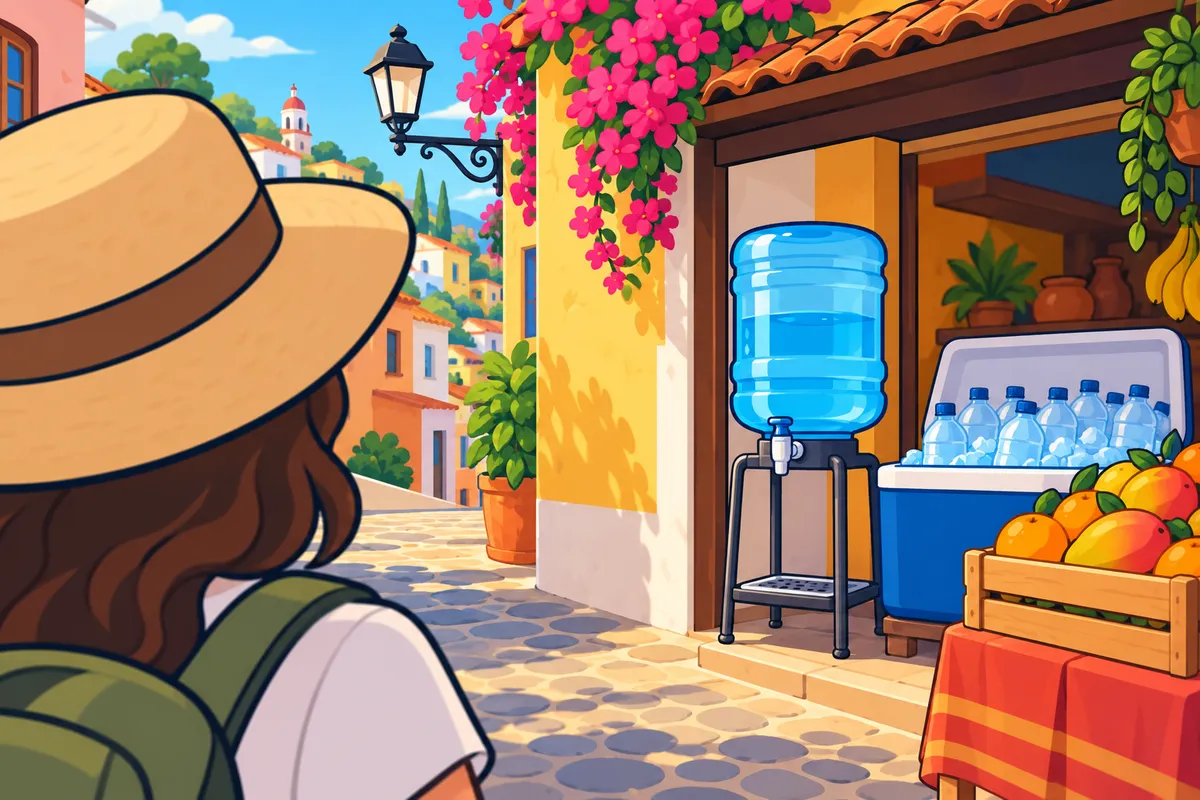
Not from the tap, unless you boil or treat it first. The CDC Yellow Book warns that tap water in many destinations might be unsafe for drinking, making ice, cooking and brushing teeth, and the CDC's page for Mexico gives no exception for any city or resort.
You land in Cancún, Mexico City or Oaxaca, and the first glass of water arrives at the hotel desk before the room key. Plan as if the tap is unsafe and you will rarely have to think about it again: sealed bottles, hot drinks and a big blue jug in your room cover a whole trip.
Can You Drink Mexico Water?
No, not from the tap. The CDC's Mexico page says food and water standards vary by destination and recommends:
- hepatitis A vaccine for unvaccinated travelers aged one year or older
- typhoid vaccine for most travelers
Both diseases can spread through food and water, which is why the page pairs the shots with safe food and water habits.
Sealed bottles, hot drinks and water you boiled yourself are the safe choices; the table further down sorts every drink and food you are likely to meet.
Is It Safe to Drink Water in Mexico City?
Use the same rules as anywhere else in Mexico. The CDC gives no separate verdict for Mexico City, and its page for the whole country carries the same vaccine and food and water advice, so a large, modern city does not change the plan.
That matters because big cities tempt people to relax. A business traveler in a high-rise hotel still:
- drinks from bottles or the room's sealed jug
- orders drinks without ice unless the venue uses purified ice
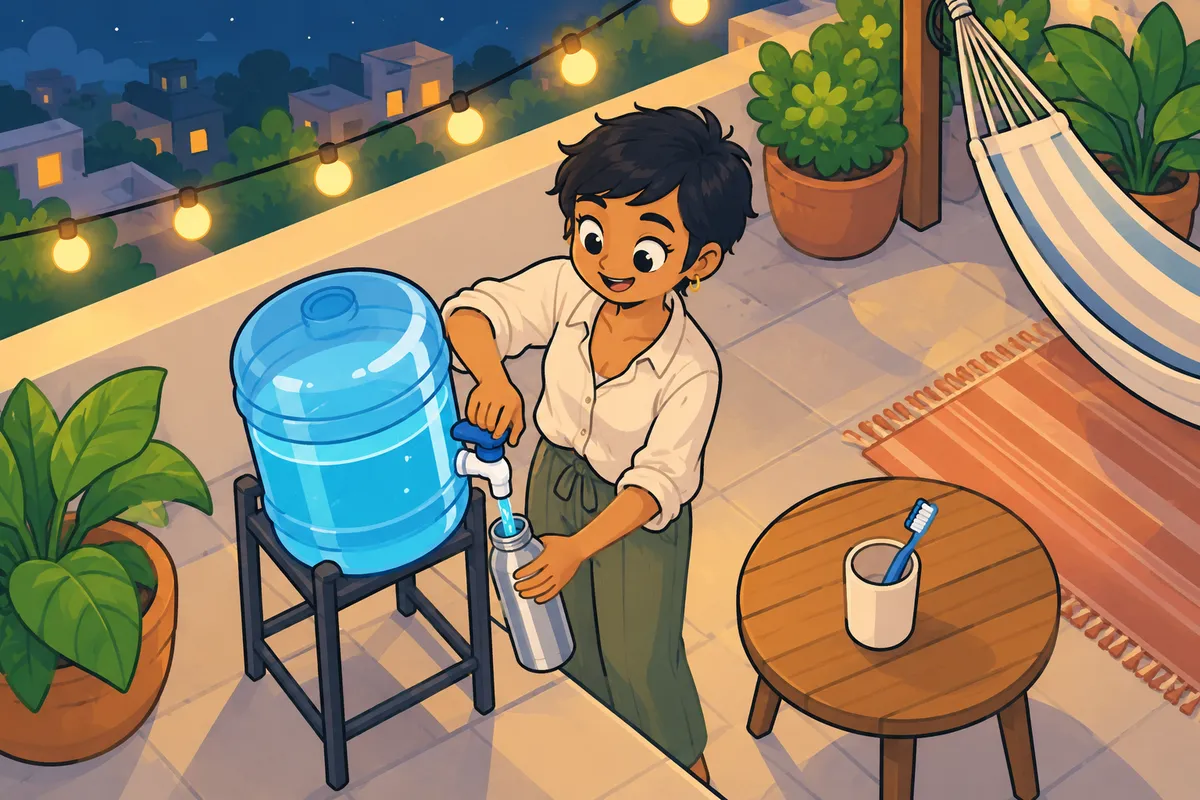
- brushes teeth with bottled water
The one thing that changes in the capital is altitude: Mexico City sits at about 2,240 meters (7,350 feet), above both the CDC's 6,500-foot line and the EPA's 5,000-foot line, so the boil lasts longer.
| City | Elevation | Boil time (CDC) | Boil time (EPA) |
|---|---|---|---|
| Cancún and the coast | Sea level | 1 minute | At least 1 minute |
| Oaxaca City | About 5,100 ft (1,555 m) | 1 minute | 3 minutes |
| Guadalajara | About 5,140 ft (1,566 m) | 1 minute | 3 minutes |
| Mexico City | About 7,350 ft (2,240 m) | 3 minutes | 3 minutes |
Sources: CDC and EPA boil times; elevations from Oaxaca City and Guadalajara. The cities between 5,000 and 6,500 feet are where the two agencies disagree, and three minutes meets both.
Resorts and Hotels With Their Own Filters
Some resorts filter all their water and tell you so. The CDC does not rate individual hotels, so the claim rests on the hotel. If staff cannot tell you how they treat the tap water, treat it as tap water and use the bottles.
Why Is the Water in Mexico Bad?
It is not that all of it is bad; you cannot tell from the glass. The plant is only part of the story, because water travels through city pipes and then often sits in a tank at the building before it reaches your tap.
From the Plant to Your Glass
- The plant adds chlorine
- City pipes carry the water to the building
- A cisterna or tinaco holds it, often for a while
- Your tap: the chlorine may have faded and a dirty tank adds germs
A national survey analysis, published in Salud Pública de México, found that most families experience intermittent supply and so store water:
- Only 31.5 % of households had water around the clock.
- 64.4 % keep permanent storage, a cisterna under the building, a tinaco on the roof, or both.
Water that waits in a tank can lose the chlorine added at the plant, and a tank that is not cleaned can add germs back. The study did not test water quality, so this is the likely route, not a measured one.
The WHO names contamination with feces as the greatest risk to drinking water anywhere, and poorly managed city, farm and factory wastewater as one way it gets in.
Food matters as much as the tap. The Yellow Book names poor restaurant hygiene and sanitation as the largest causes of travelers' diarrhea, with unsafe water feeding into contaminated food and drinks.
Is Bottled Water Safe in Mexico?
Yes, from an unopened, factory-sealed bottle. That is the CDC's own wording, on its travel water page and in the Yellow Book, and it covers the small bottles in shops and the cooler in your hotel room.
The Big Blue Garrafón Jug
If your guesthouse or rental keeps a 20-liter jug, the garrafón, on a stand or a pump, treat it like any bottle: a sealed cap on a fresh jug is what makes it safe. So:
- Check the seal when it arrives.
- Keep the spout and pump clean.
Delivery services swap an empty jug for a full one, and the cap is what you look at.
Is the Ice Safe in Mexico?
Only when you know it came from safe water. The Yellow Book tells travelers to avoid ice unless they are reasonably certain of that, and to ask for drinks without ice when unsure. Alcohol in a drink does not kill germs in the ice, the Yellow Book adds.
Ask whether the ice is purified, in Spanish hielo purificado: "¿El hielo es purificado?" Bars and restaurants that make ice from purified water often say so, and a staff member who cannot answer has told you what you need. If nobody can say, skip it.
Can You Brush Your Teeth With Tap Water in Mexico?
Use bottled or treated water instead. The Yellow Book lists brushing teeth among the uses tap water must be safe for, next to drinking, ice and cooking. Keep a bottle by the sink so you do not reach for the tap out of habit.
The same book asks you to avoid getting tap water in your mouth when showering or bathing, and never to clean or rinse contact lenses with tap water.
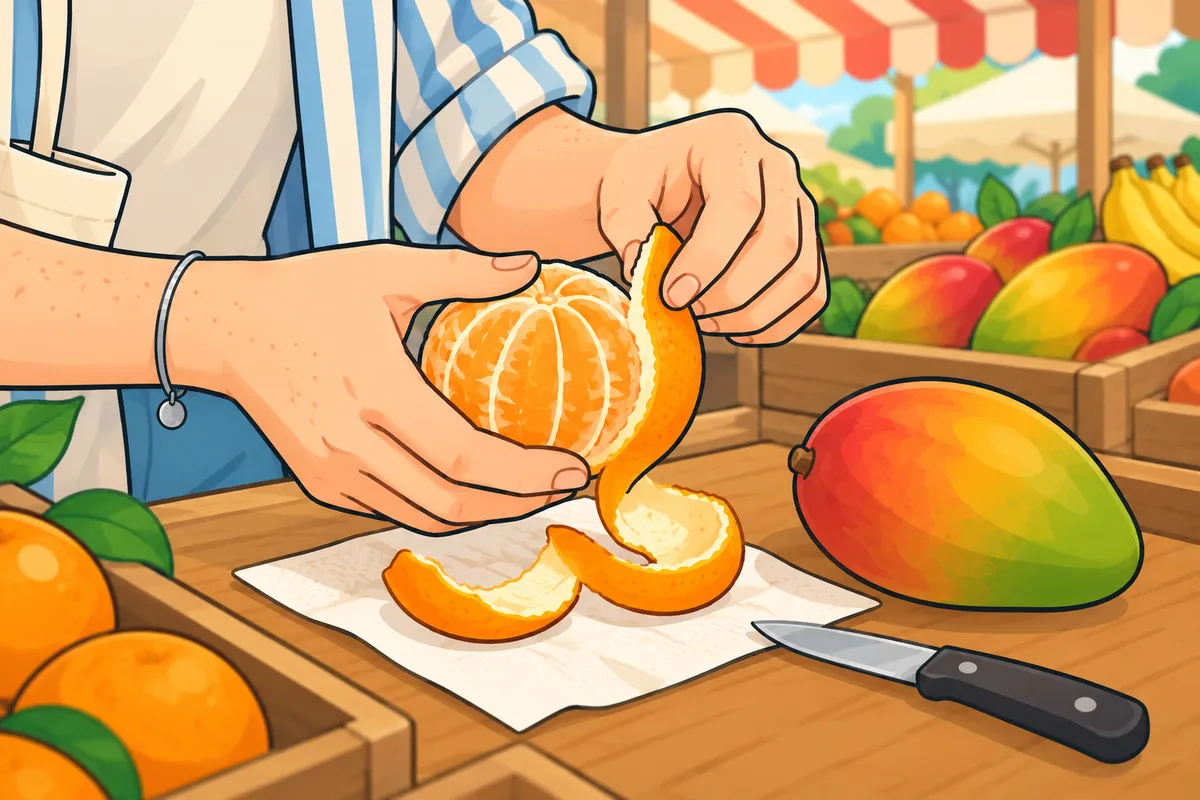
Food carries the same germs as water. The Yellow Book calls fully cooked food served hot and food you prepare yourself the safest, and warns that salads, uncooked vegetables, unpeeled fruit and unpasteurized juice carry more risk. Street food raises the risk too, it adds.
Drinks and Food on a Mexico Trip, One by One
Most of what you will order falls into three groups:
- safe as served
- safe if you ask one question
- worth skipping
| Drink or food | Safe to have? | What the CDC says |
|---|---|---|
| Tap water, in a glass or a hotel jug | No, unless boiled or treated | Might be unsafe for drinking, ice, cooking and brushing teeth |
| Factory-sealed bottled water | Yes | Use water from an unopened, factory-sealed container |
| Sealed sodas and sparkling water | Yes | Carbonated drinks in sealed cans or bottles are safe |
| Coffee and tea | Yes | Drinks made with water that has just boiled are generally safe |
| Ice | Only if you know its source | Avoid unless reasonably sure it came from safe water |
| Agua fresca and fresh juice | Ask first | Unpasteurized juice is on the list of foods to avoid |
| Salads and raw vegetables | Skip when unsure | Listed among the riskier foods |
| Fruit you peel yourself | Yes | Safest rinsed in safe water and peeled by the person who eats it |
| Hot, fully cooked food | Yes | Fully cooked food served hot is among the safest |
| Street food | Choose with care | Food from street vendors raises the risk of illness |
Source: CDC Yellow Book, Food and Water Precautions.
Agua fresca, the fruit drink sold from big glass jars, is made with water, and often served over ice. Ask whether the stall uses purified water; if the answer is unsure, pick a sealed drink.
What Happens If You Drink Tap Water in Mexico?
Often nothing, and sometimes travelers' diarrhea within a few days. The Yellow Book chapter on travelers' diarrhea says bacteria cause most cases, that symptoms start suddenly 6 to 96 hours after exposure, and that untreated bacterial diarrhea usually lasts 3 to 7 days.
- 6–96 h
- from exposure to the first symptoms
- 3–7 days
- a bacterial bout usually lasts, untreated
- 2–3 days
- a viral bout generally lasts
If you get sick, replace what you lose. The Yellow Book describes oral rehydration solution made by adding a packet to boiled or treated water, generally 1 liter, and warns that very sweet drinks like soda can make diarrhea worse in large amounts.
How to Make Tap Water Safe on Your Trip
Boil it, or filter and disinfect it. The CDC's emergency water page says to bring clear water to a rolling boil for 1 minute, or 3 minutes above 6,500 feet; the table above shows which cities that covers. If you cannot boil, the CDC travel page names reverse osmosis filters for bacteria and viruses, or a filter followed by a chemical disinfectant.
Safe Water From a Doubtful Tap
- Cloudy water: let it settle or pour it through a clean cloth
- Rolling boil for 1 minute, 3 minutes above 6,500 ft
- Let it cool in a clean, covered container
- Drink it, brush with it and refill your bottle
A kettle in your room does the whole job, and the minutes and the altitude rule for boiling are the same as at a campsite. A travel filter alone usually lets viruses through, which is where a purifier differs from a filter.
How Much Bottled Water to Buy for a Mexico Trip
About 2 to 3 liters of drinks per person per day, before heat and walking add more. The National Academies found that drinks gave young men about 3.0 liters and young women about 2.2 liters a day, and coffee, tea and sealed sodas count toward that as well as water.
| Trip | Drinks per day | For the whole trip | In 20-liter jugs | In 600 ml bottles |
|---|---|---|---|---|
| One woman, 5 days | 2.2 L | 11 L | about half a jug | about 18 |
| A couple, 7 days | 5.2 L | 36.4 L | about 2 jugs | about 61 |
| Two couples sharing a rental, 7 days | 10.4 L | 72.8 L | nearly 4 jugs | about 121 |
Each row uses the National Academies figures, 3.0 L for a man and 2.2 L for a woman. Add a liter or more per person on hot days at the beach or on long walks, and water for brushing teeth.
A 20-liter jug replaces about 33 bottles of 600 ml, which is why guesthouses and long stays use them. For a short hotel stay, the sealed bottles in the room and a kettle usually cover it.
A Meeting Week in Mexico City and a Month Near Oaxaca
Book a Travel Clinic Visit Before the Flight to Mexico
The CDC recommends typhoid vaccine for most travelers and hepatitis A vaccine for the unvaccinated, so a travel clinic visit is the first thing to book, weeks ahead of the flight. Ask the clinic what suits your own health, and pack a refillable bottle, oral rehydration salts and, for rural stays, a purifier or tablets.
If Mexico is one stop of several, judge each country's tap the same way.
General information for healthy adults, not medical advice. If a doctor has set your fluid amount, follow that.

More in Outdoors and Travel

Sources
- US Centers for Disease Control and Prevention. Mexico: Traveler View, 2026.
- CDC Yellow Book (Chard and Hill). Food and Water Precautions for Travelers, 2025.
- CDC Yellow Book (Connor and Leung). Travelers' Diarrhea, 2026.
- US Centers for Disease Control and Prevention. Avoid Contaminated Water During Travel, 2022.
- US Centers for Disease Control and Prevention. How to Make Water Safe in an Emergency, 2025.
- National Academies of Sciences. Dietary Reference Intakes for Water, Potassium, Sodium, Chloride, and Sulfate: Chapter 4, Water, 2005.
- World Health Organization. Drinking-water (fact sheet), 2023.
- Salud Pública de México (Figueroa and colleagues). Water for everyone? Intermittent water supply to households in Mexico, 2023.
Sources checked by the Glubbo Editorial Team on Oct 19, 2026. General information, not medical advice. How we write and check our guides.

