Water at Home · Wells, Storage and Emergencies
How to Test Well Water: What, When, and Which Lab
A practical schedule and sample chain for defensible private-well results.
 By the Glubbo Editorial Team · Updated Oct 24, 2026 · 2 min read
On This Page
Short answer
Call a certified laboratory before collecting a sample.
- CDC lists coliform, nitrate, dissolved solids, and pH for annual testing.
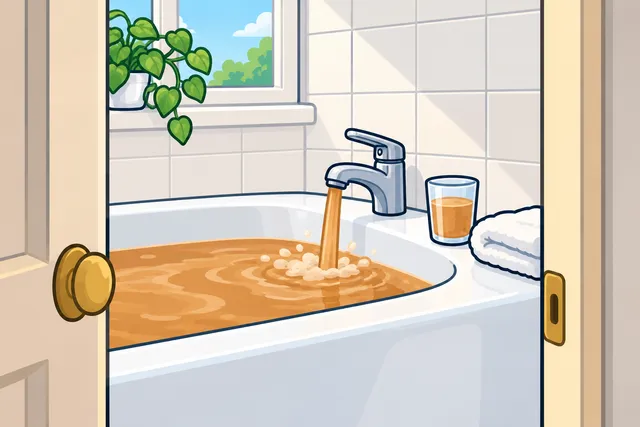
- Test again after flooding, repairs, or a change in taste, color, or smell.
- Use a state-certified drinking-water laboratory.
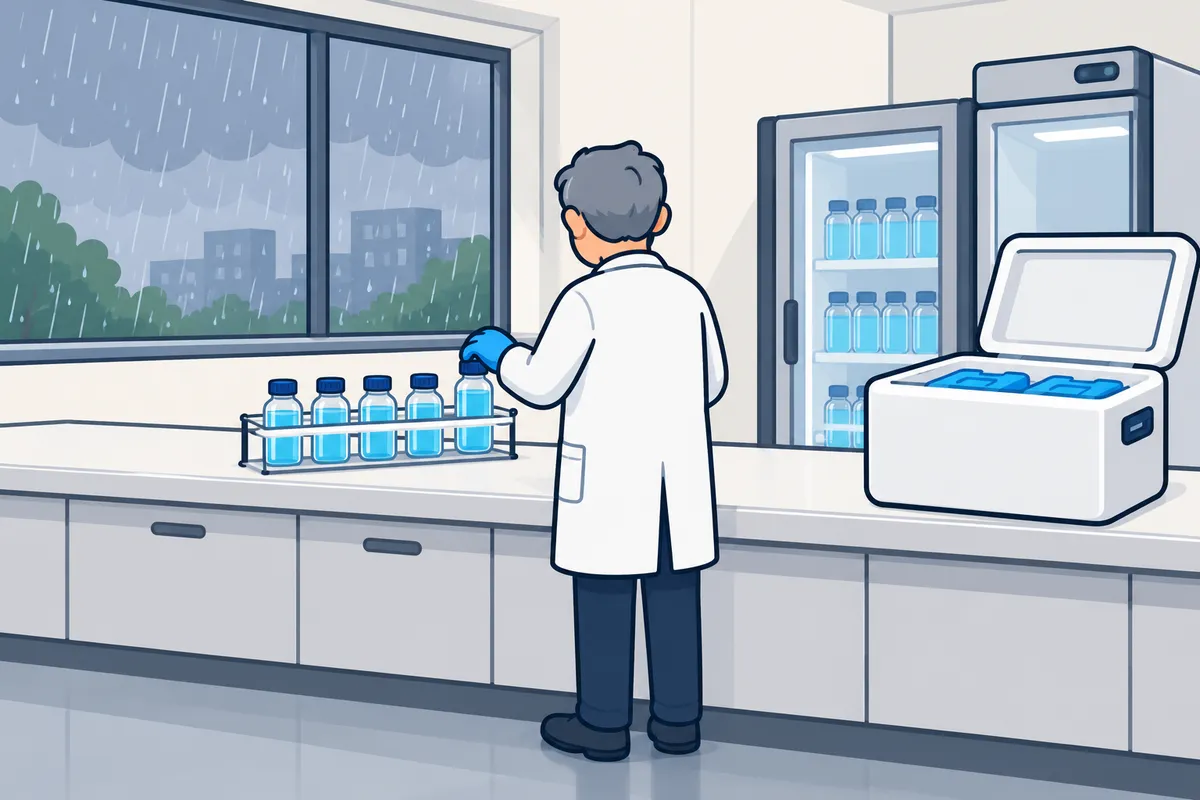
Test private-well water through a state-certified drinking-water laboratory. The CDC well-testing guide says to test annually and after events such as flooding or repairs. Call before sampling so the laboratory can specify containers and handling.
When to Test a Private Well
4 items- Once a year, for coliform, nitrate, dissolved solids and pH
- After flooding
- After repairs or other well work
- A change in taste, color or smell
Ask the laboratory or health department which analytes fit each trigger.
How Do You Test Well Water?
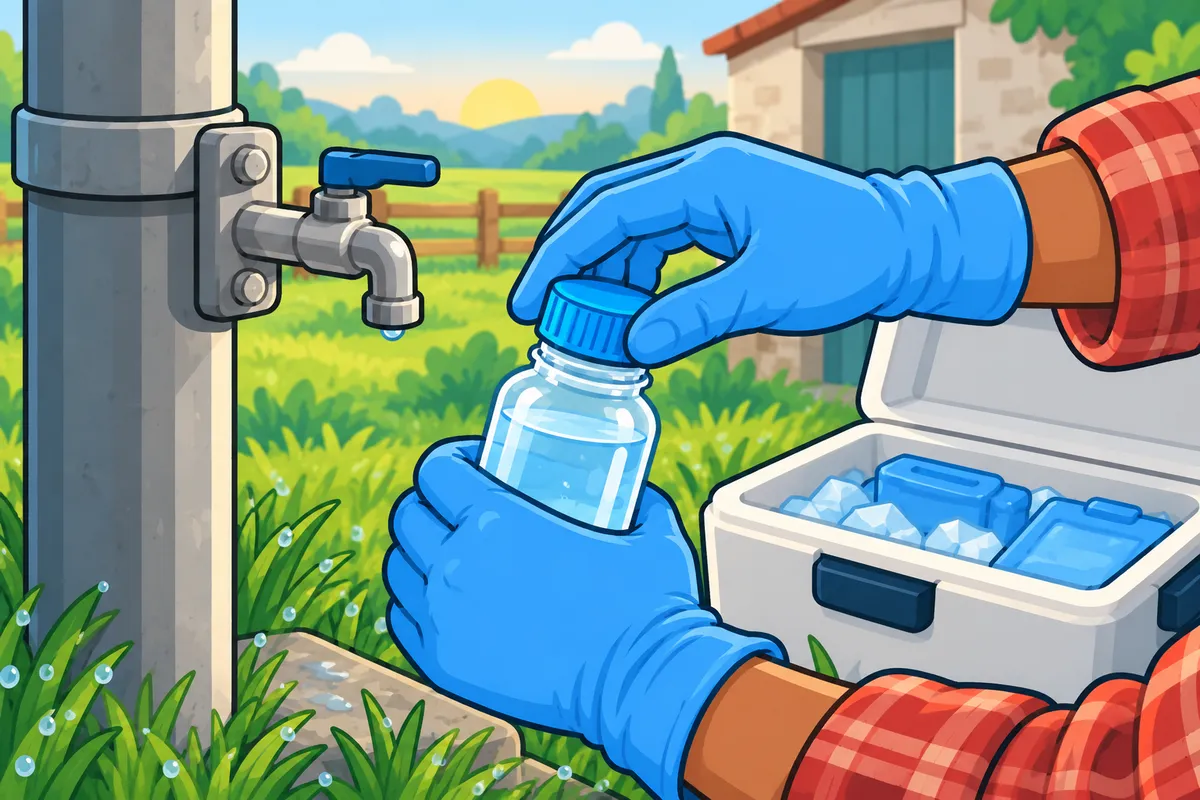
Preserve the Sample Chain
- Choose a certified lab and describe the well and local risks
- Receive its bottles, preservatives, timing, and tap instructions
- Collect exactly as directed without touching the bottle interior
- Keep and deliver the sample at the required temperature and deadline
- Review results with the laboratory or local health department
How Often Should a Well Be Tested?
Annual testing is the baseline, not the only trigger. Any of these can justify another round:
- Flooding
- Well work
- A nearby land-use change
- A new sensory change
Local geology and activities may add arsenic, pesticides, fuel compounds, or other analytes.
Build the panel with local evidence
| Trigger | Ask about | Best contact |
|---|---|---|
| Routine annual check | Coliform, nitrate, TDS, pH | Certified lab or health department |
| Flood or repair | Microbial and locally indicated contaminants | Health department first |
| New taste, color, odor | Analytes that match the observation | Laboratory |
| Nearby farm, mine, industry | Region-specific chemicals | State or local program |
What Should Well Water Be Tested For?
Start with the CDC annual basics, then add only locally plausible concerns. If a result identifies coliform, the coliform guide explains that finding. For the limits of consumer kits, use home test kits.
Public-system context lives in the tap-water guide.

Book the Laboratory Before Opening the Tap
Use EPA's state certification contacts to find the program for your state. Best practice is to let that lab design the sample kit; the reason is that collection errors can invalidate otherwise careful testing.
Common Questions
Why should I call the laboratory before sampling?
The laboratory supplies or approves the container and gives preservation, tap, timing, and delivery instructions for the selected tests.
Should I sample after a flood?
Yes. Contact the local health department or laboratory promptly and follow their sampling and temporary-use instructions.
General information for healthy adults, not medical advice. If a doctor has set your fluid amount, follow that.

More in Water at Home
Sources
- CDC. Guidelines for Testing Well Water, 2024.
- US Environmental Protection Agency. Certification Programs and Certified Laboratories for Drinking Water, 2026.
Sources checked by the Glubbo Editorial Team on Oct 24, 2026. General information, not medical advice. How we write and check our guides.

