Is Hard Water Safe to Drink? What Hardness Means
Hardness is usually a nuisance measurement, not a health-contaminant result.
 By the Glubbo Editorial Team · Updated Oct 24, 2026 · 2 min read
On This Page
Short answer
Hardness usually describes a nuisance, not a health limit.
- Reports commonly express hardness as mg/L as calcium carbonate.
- Divide mg/L by 17.1 to estimate grains per gallon.
- Treat it when nuisance or equipment costs justify treatment.
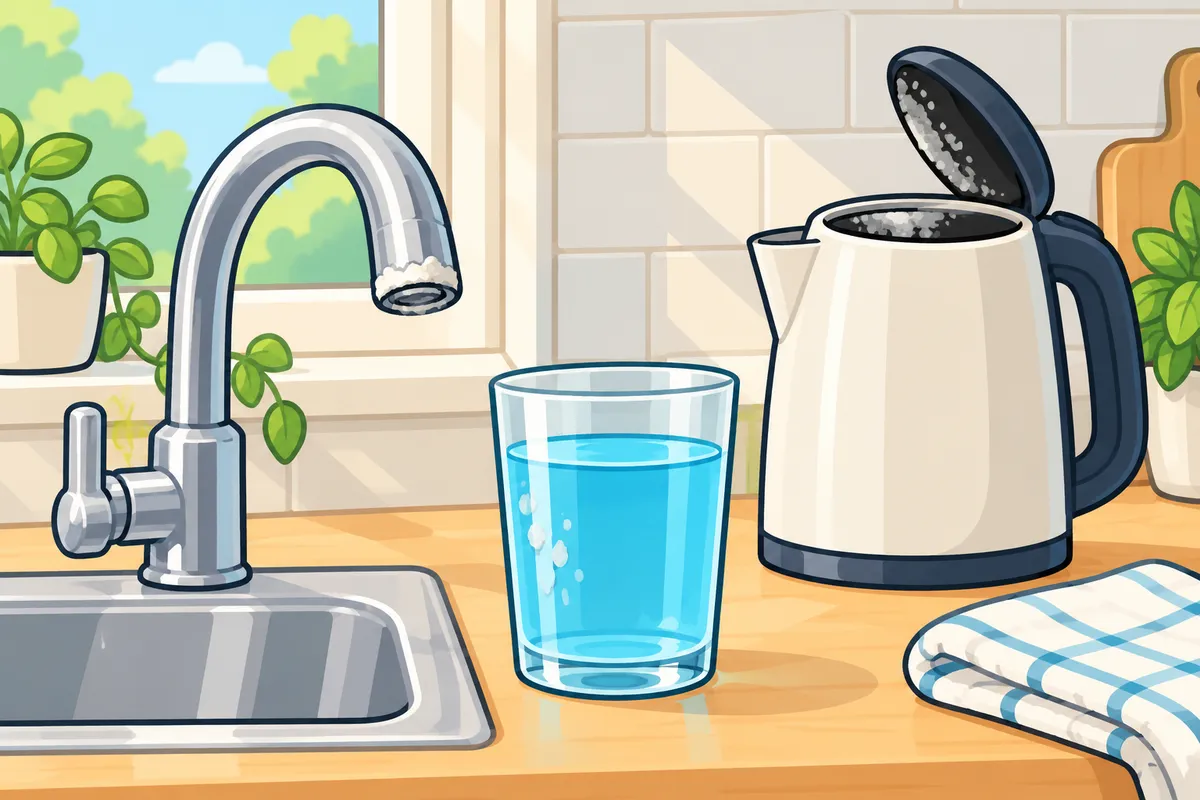
Hard water is generally safe to drink. The USGS hardness guide describes dissolved calcium and magnesium and the usual classification bands. The Connecticut fact sheet explains common nuisance effects.
Is Hard Water Safe to Drink?
USGS explains hardness as the amount of dissolved calcium and magnesium. A hardness result should not be read as a contaminant violation by itself. A separate test result or advisory can still identify another problem, so “hard” does not prove everything else is safe.
| What you observe | What hardness can explain | Practical response |
|---|---|---|
| White kettle scale | Minerals precipitate during heating | Descale on a schedule |
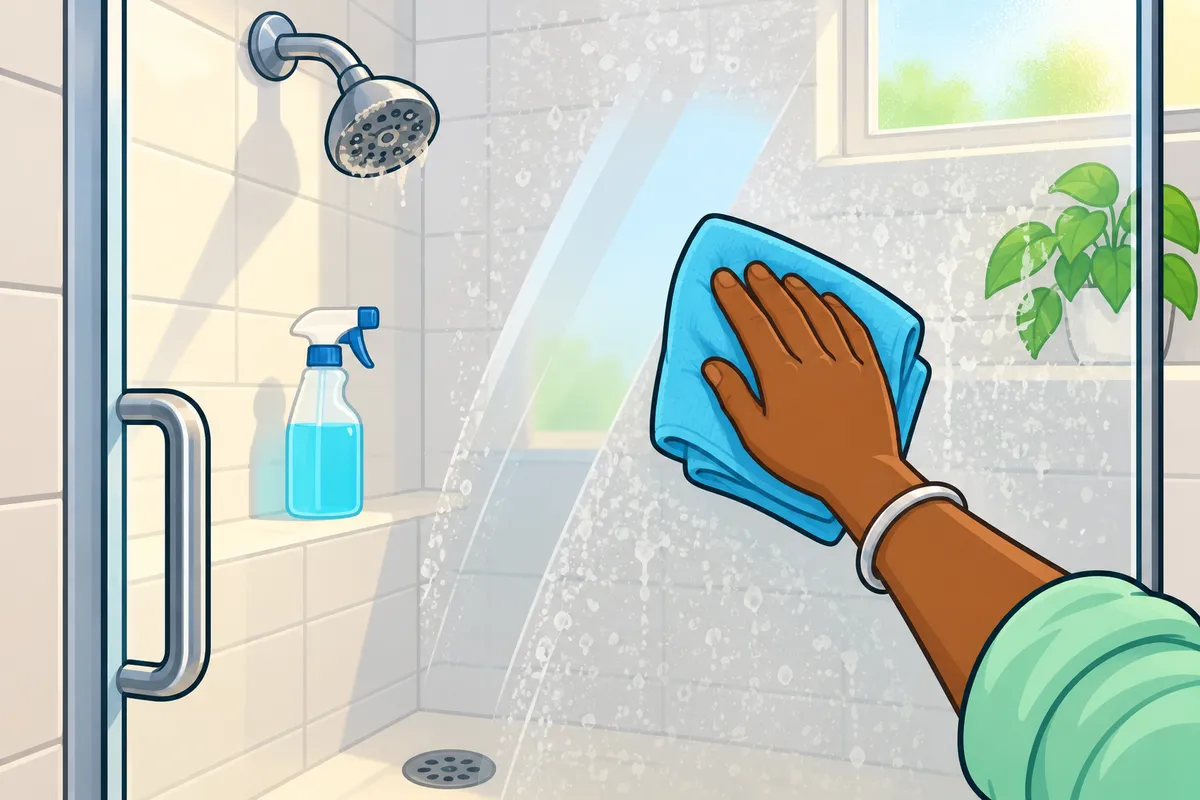
| Spotted glassware | Mineral residue remains after drying | Adjust cleaning or rinse |
| Weak soap lather | Calcium and magnesium react with soap | Adjust detergent or consider treatment |
| Heater scale | Deposits reduce heat-transfer efficiency | Maintain equipment; price treatment if recurring |
What Does Water Hardness Mean?
The common unit is milligrams per liter as calcium carbonate, written mg/L as CaCO3. It expresses the combined hardness on one reference scale. Some treatment sellers use grains per gallon.
How Do You Convert Hardness to Grains per Gallon?
Divide by 17.1: 171 ÷ 17.1 = 10 grains per gallon.
Keep the original lab or utility unit beside the conversion so a rounded sales number does not replace the measured result.
Decide Whether the Nuisance Justifies Treatment
4 items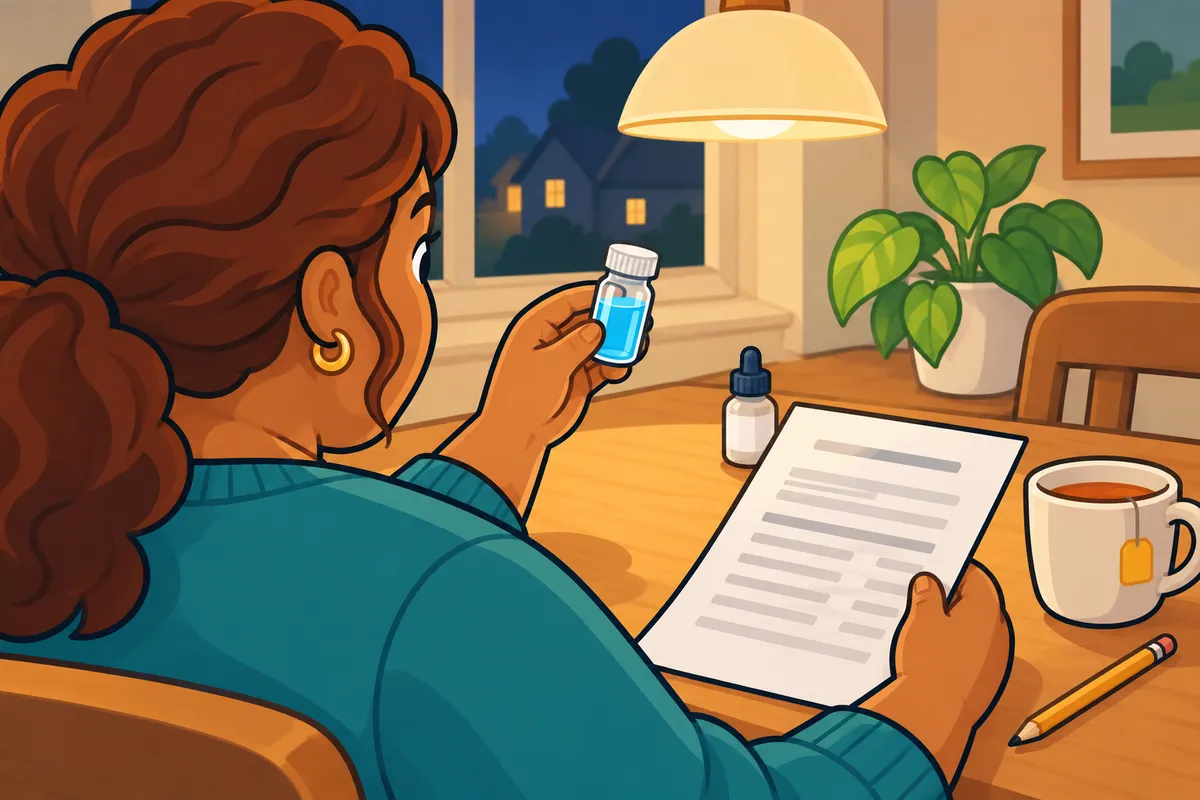
Treat the Nuisance, Not the Number Alone
The filter-versus-softener guide owns the equipment choice. Scale inside a bottle can often be handled through proper cleaning. Best practice is to treat only when measured hardness creates a cost or annoyance worth the system's salt, water, service, and maintenance.
Common Questions
Will a drinking-water pitcher soften the whole home?
No. Whole-home hardness treatment uses different equipment and must handle the building's full water flow.
Can hardness change across one city?
Yes. Source blending and supply zones can differ, so use the utility's value for your service area or test the tap.
General information for healthy adults, not medical advice. If a doctor has set your fluid amount, follow that.

More in Water at Home
Sources
- US Geological Survey. Hardness of Water, 2018.
- Connecticut Department of Public Health. Hardness in Drinking Water, 2017.
Sources checked by the Glubbo Editorial Team on Oct 24, 2026. General information, not medical advice. How we write and check our guides.

