Every Age · Babies and Children
Signs of Dehydration in Babies and Toddlers, and When to Call
The early and the serious signs, how to count diapers, which signs doctors trust most, and when to call.
 By the Glubbo Editorial Team · Updated Oct 19, 2026 · 10 min read
On This Page
- What Are the First Signs of Dehydration in a Baby?
- Is It Mild or Severe Dehydration in My Baby?
- How Many Wet Diapers Is Too Few?
- What Does a Sunken Soft Spot Mean?
- Can a Fever or Hot Weather Dehydrate a Baby?
- What Are the Signs of Dehydration in a Toddler?
- Which Signs of Dehydration Do Doctors Trust Most?
- What Should You Give a Baby Who Is Dehydrated?
- When to Call the Doctor or Go to the Emergency Room
- Sources
Short answer
Fewer wet diapers, fewer tears and a dry mouth come first.
- The AAP counts fewer than six wet diapers a day as a warning sign in infants.
- A sunken soft spot, sunken eyes or a very sleepy baby are serious: call now.
- Keep breast or bottle feeds going in small amounts, more often; never dilute formula.
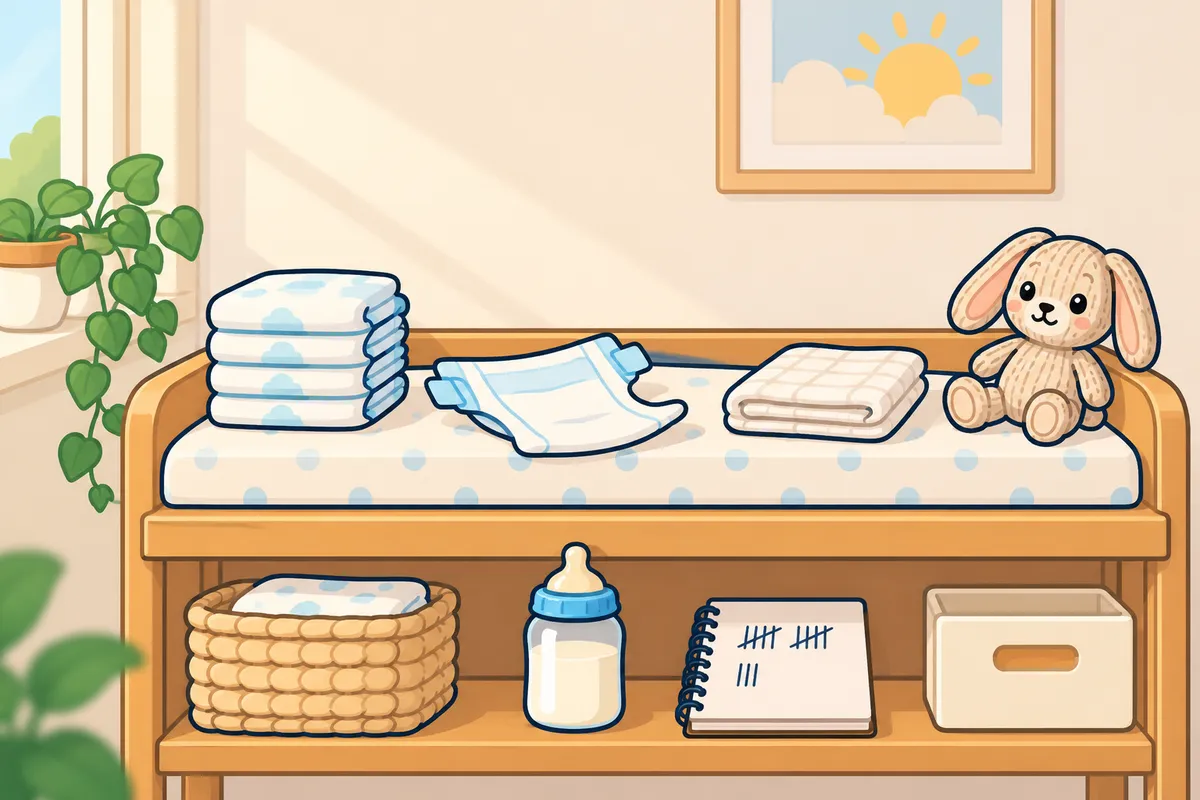
Fewer wet diapers, fewer tears, a dry mouth and less play come first; a sunken soft spot, sunken eyes or a very sleepy baby are serious. The American Academy of Pediatrics asks parents to call the pediatrician immediately if any warning sign appears, and to keep breast or bottle feeds going in the meantime.
Babies cannot tell you they are thirsty. What you can do is watch the things a baby cannot hide: the diapers, the tears, the mouth and how they play.
What Are the First Signs of Dehydration in a Baby?
Fewer wet diapers, a dry mouth, fewer tears and less play. The AAP lists these as signs of mild to moderate dehydration, along with a sunken soft spot in an infant or toddler. If any of them develops, call the pediatrician immediately.
Mild to moderate dehydration, as the AAP lists it
5 items- Plays less than usual
- Urinates less frequently (for infants, fewer than six wet diapers per day)
- Parched, dry mouth
- Fewer tears when crying
- Sunken soft spot of the head in an infant or toddler
The NHS dehydration page names the same babies' signs: a sunken soft spot on top of the head, few or no tears when they cry, and fewer wet diapers than usual. The diaper comes first on both lists because it is the sign you can count.
What Usually Causes It
Fluid going out faster than it comes in. The AAP names diarrhea, vomiting and not drinking enough as the causes, and the stools tell you which: loose if diarrhea is the cause, fewer bowel movements if the loss comes from vomiting or too little fluid.
Hard or very dry stools can also point to too little fluid. In its guide to a baby's first days, the AAP lists illness, fever or heat as other ways a baby can lose fluid.
How Long a Stomach Bug Usually Lasts
Most dehydration in babies comes with a stomach bug, so it helps to know the normal length. The NHS diarrhea and vomiting page gives these times for adults and children alike.
| Usually stops | Call a doctor if it lasts | |
|---|---|---|
| Diarrhea | Within 5 to 7 days | More than 7 days |
| Vomiting | In 1 or 2 days | More than 2 days |
| Back to daycare or school | After at least 2 days with no sickness or diarrhea |
A bug that runs to its usual length can still dry a baby out on day two. Count diapers every day of it, not only when it seems to be getting worse.
Is It Mild or Severe Dehydration in My Baby?
Severe dehydration adds sleepiness, sunken eyes and cool hands and feet to the early signs. The AAP lists these signs as severe, on top of the mild ones above:
- very fussy
- excessively sleepy
- sunken eyes
- cool, discolored hands and feet
- wrinkled skin
- urinates only one to two times per day
Both lists mean a call to your pediatrician, and the severe list means you should not wait. Call 911 or your local emergency number if your baby is also hard to wake or has blue, gray or blotchy skin.
How Many Wet Diapers Is Too Few?
For an infant, fewer than six wet diapers a day is the AAP's warning line, and only one or two a day is in its list of severe signs. Another way to say it is fewer wet diapers than usual, so the best comparison is your own baby's normal count.
| What you count in 24 hours | What the source says |
|---|---|
| Fewer wet diapers than your baby's usual | Urgent medical advice from your doctor |
| Fewer than six wet diapers (infant) | AAP: a sign of mild to moderate dehydration; call the pediatrician |
| Only one or two wet diapers | AAP: a sign of severe dehydration |
| A child under 5 with fewer wet diapers during a stomach bug | Seek medical advice |
On a day you are worried, write down every wet diaper as you change it. A count you made yourself beats a guess at bedtime.
| Time | Wet? | Stool? | Feed or drink |
|---|---|---|---|
| 7:00 AM | |||
| 10:00 AM | |||
| 1:00 PM | |||
| 4:00 PM |

Is Six Wet Diapers a Day Right for a Newborn?
Not in the first days. The AAP's guide to a baby's first days says a newborn may pee as often as every one to three hours or as infrequently as four to six times a day. The six-a-day line is for infants past that early stretch, so ask the pediatrician what count is normal for a baby under a week old; the AAP's own range for a newborn starts at four.
What Does a Sunken Soft Spot Mean?
The soft spot, or fontanelle, sits on top of a baby's head where the skull bones have not joined yet. If it looks hollow and your baby also has fewer wet diapers or fewer tears, call the same day.
Can a Fever or Hot Weather Dehydrate a Baby?
Yes, both raise fluid loss. The AAP lists illness, fever and heat among the causes of fluid loss in babies, and it sets calls by age:
| Baby | What the AAP says to do |
|---|---|
| Under 3 months, with diarrhea and a rectal temperature of 100.4 °F | Call the pediatrician |
| Over 3 months, with a fever lasting more than a day | Check the urine output and rectal temperature, then report both to the doctor |
On a hot day or a feverish one, compare today's wet diapers with yesterday's at the same hour. A baby who is feeding as usual but wetting fewer diapers than yesterday is the pattern to report.
What Are the Signs of Dehydration in a Toddler?
The same as in a baby, with two additions you can use: a toddler can ask for a drink, and you can watch them play. The AAP's first sign is playing less than usual, and its lists of mild and severe signs cover toddlers as well as infants, the soft spot included.
Thirst, dark yellow strong-smelling pee, peeing less often and a dry mouth, lips and tongue are the signs the NHS lists for children and adults. Toddlers in potty training give you an extra clue: fewer trips and darker pee in the potty.
Once a child drinks from a cup, the amount of water for their age is in cups on the page for toddlers to teens.
Which Signs of Dehydration Do Doctors Trust Most?
A slow return of color after pressing the skin, skin that stays tented when pinched, and unusual breathing. A 2004 JAMA review pooled 13 studies of children aged 1 month to 5 years and found these three were the most useful single signs for spotting about 5 % dehydration.
A likelihood ratio of 4.1 means the sign is about four times as likely in a dehydrated child as in one who is not. The review also found that combinations of signs work much better than any single one, and that a parent's story and lab tests helped only modestly.
That is the reason a doctor's exam matters. No single sign at home settles it, so call when you see any of them and let the doctor put the signs together.
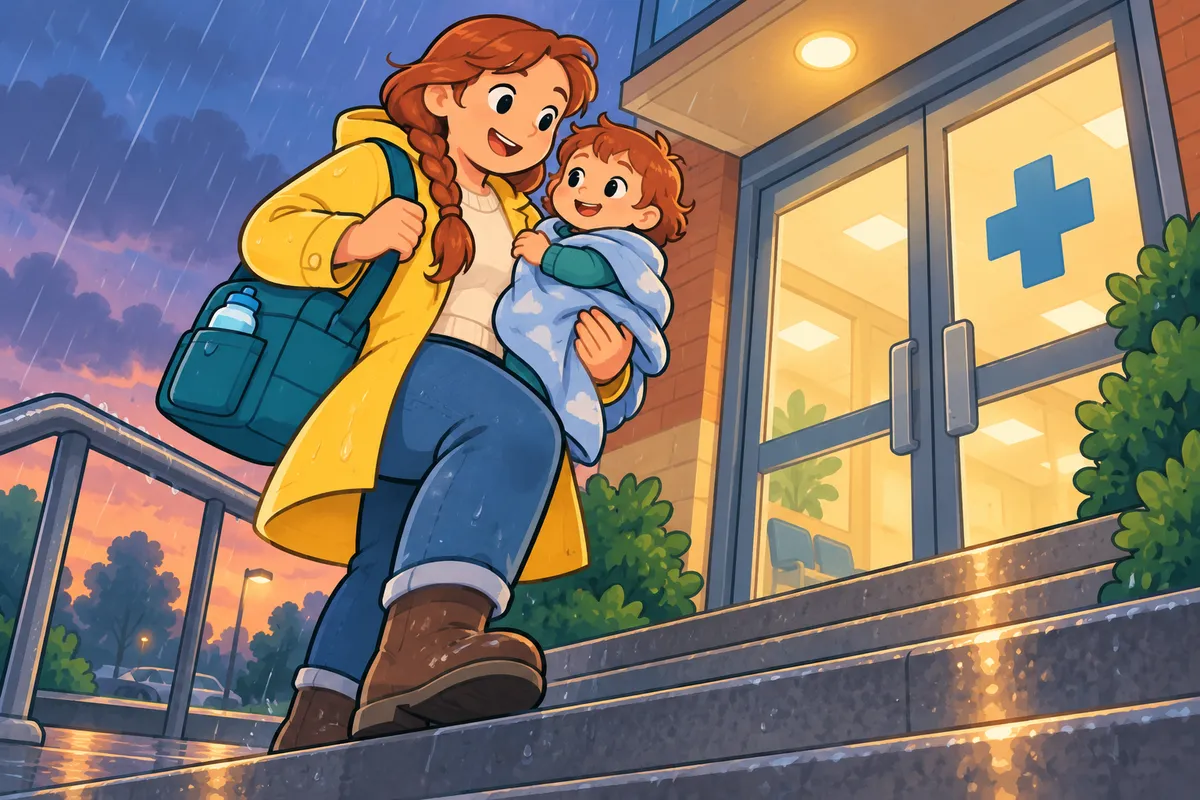
What Should You Give a Baby Who Is Dehydrated?
Keep feeding breast milk or formula, in small amounts more often, and ask your doctor or pharmacist before anything else. The NHS says not to dilute formula and not to give young children fruit juice or fizzy drinks, because they can make diarrhea or vomiting worse.
While your baby is unwell
- Carry on breast or bottle feeding your baby
- Give small feeds more often than usual if your baby is being sick
- Make formula at its usual strength, never weaker
- Skip fruit juice and fizzy drinks
- Ask a pharmacist or your doctor about a rehydration solution
The NHS says a baby on formula or solid food can have small sips of extra water, boiled and cooled first if the baby is under 6 months. The AAP says infants under 6 months should drink only breast milk or formula, so ask your pediatrician before giving any water. The rules on water for babies set out both.
Why Not Juice, Fizzy Drinks or Weaker Formula?
Because they can make things worse. Fruit juice and fizzy drinks can make diarrhea or vomiting worse in young children, and formula stays at its usual strength, never weaker, even while your baby is unwell.
Amounts are left out on purpose. How much fluid a sick baby needs, and whether a rehydration solution is right, depends on age and weight, and only your pediatrician or pharmacist can set that.
When to Call the Doctor or Go to the Emergency Room
Call the pediatrician immediately for any sign on this page, as the AAP asks. For a baby, do not wait for the next appointment.
Three further lines call for the doctor, and so do two more:
- Your child stops breast or bottle feeding while ill.
- Your child keeps being sick and cannot keep fluid down.
- < 12 mo
- any worry about a baby this young: call the doctor
- < 5 yr
- a child with fewer wet diapers while ill: call the doctor
- > 2 days
- of vomiting, or over 7 days of diarrhea: call the doctor
Once your child is well again, the everyday job is drinking enough on ordinary days. Toddlers usually do better with a cup they chose and a routine at meals than with reminders.
General information for healthy adults, not medical advice. If a doctor has set your fluid amount, follow that.

Check Your Child's Drinks
Your child's daily drinks by age, in cups and bottles.
Open the Kids CalculatorMore in Every Age


Sources
- American Academy of Pediatrics, HealthyChildren.org. Dehydration, 2019.
- American Academy of Pediatrics, HealthyChildren.org. Choose Water for Healthy Hydration, 2026.
- NHS. Dehydration, 2026.
- NHS. Diarrhea and vomiting, 2026.
- JAMA (Steiner MJ, DeWalt DA, Byerley JS). Is this child dehydrated?, 2004.
Sources checked by the Glubbo Editorial Team on Oct 19, 2026. General information, not medical advice. How we write and check our guides.

