Tap Water Quality by ZIP Code: Find the Right Report
Find the utility that serves your address, open its current report, and know what a ZIP-code result cannot prove.
 By the Glubbo Editorial Team · Updated Oct 24, 2026 · 4 min read
On This Page
Short answer
Start with the water system, not the ZIP code.
- A single ZIP can contain several public systems, private wells, or both.
- Your bill, landlord, or service address identifies the supplier.
- Public systems publish a yearly Consumer Confidence Report, or CCR.
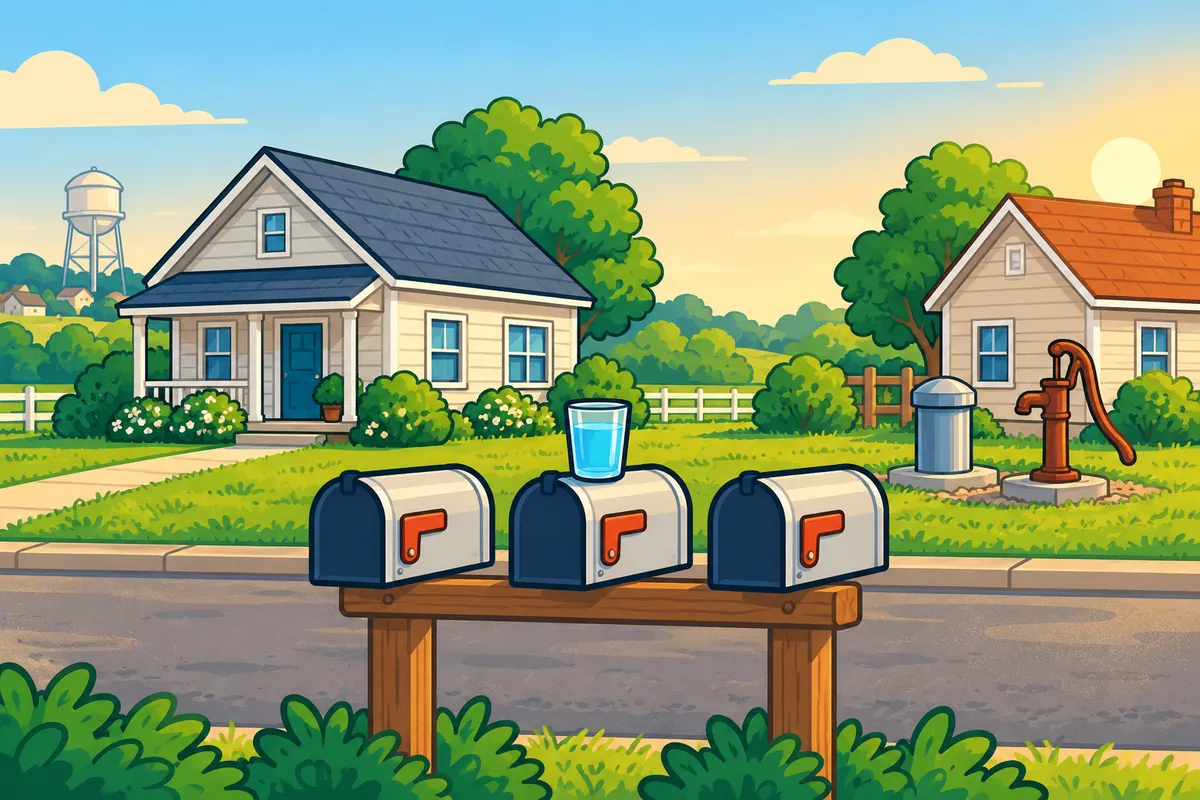
Tap water quality cannot be proved by ZIP code alone. The useful result is the name of the public water system serving your exact address and that system's latest Consumer Confidence Report. One postal area may:
- Cross utility boundaries.
- Include apartment master meters.
- Contain private wells.
Can I Check Tap Water Quality by ZIP Code?
You can use a ZIP search to find possible suppliers, but it is not the final match. The EPA's Consumer Confidence Report hub explains that community water systems provide annual reports to customers. Those reports belong to named systems and service areas, not to postal codes.
| Home situation | Best identifier | Where to look | What proves the match | Next action |
|---|---|---|---|---|
| You receive a water bill | Utility and account name | Bill or customer portal | Service address on the account | Open that utility's newest CCR |
| Rent or condo with water included | Building's supplier | Landlord, manager, association, meter card | Written supplier name for the building | Ask the supplier for the report |
| Private well | Well and property records | Owner, county, state well records | The home is not on a public connection | Arrange the tests appropriate locally |
A third-party map or score may combine public records, but it still needs the system name behind it. A city label is not enough when a city has several systems or a regional supplier serves several cities.
How Do I Find My Water Utility?
Use the document tied to the service address. A direct bill is strongest. When rent covers water, ask the person who pays the master account.
A meter tag, move-in packet, or building notice can confirm the same name. Do not guess from the nearest water tower.
Match Your Address to the Supplier
- Read the supplier name and service address on the water bill
- If rent covers water, ask the landlord or association which system supplies the building
- Confirm the service address in the utility's own lookup or by calling customer service
- Open the report carrying that exact system name and the newest report year
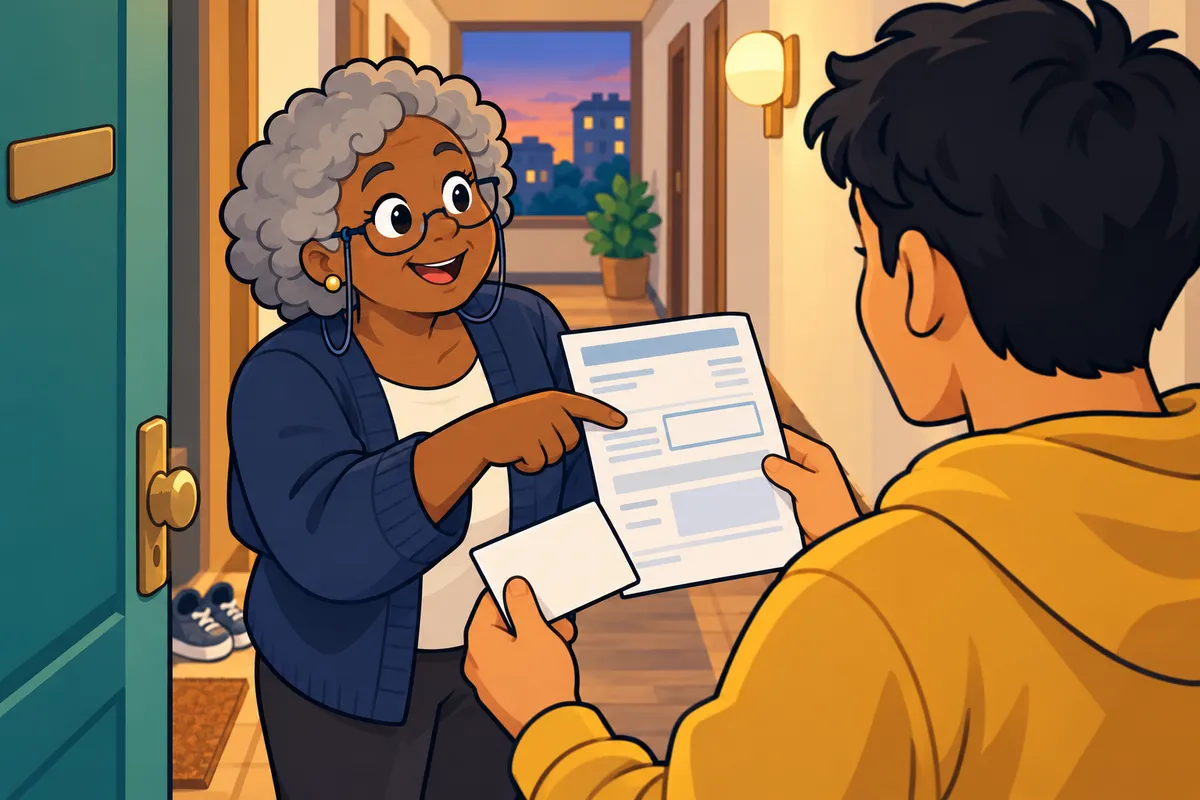
Two Systems Can Share One ZIP
Resolve the conflict with the service address
Suppose 02130 returns System North and System South. Mina's apartment sits inside that ZIP, but her lease includes water, so she has no bill. She asks the manager and receives System South's name.
She confirms the street address with System South before opening its report. System North's cleaner-looking summary never enters the decision because it does not serve her building.
This check also catches wholesaler names. A local utility may buy treated water from another system yet remain the customer-facing supplier. The CCR explains the source and treatment arrangement; the bill tells you which report chain to follow.
Where Do I Get My Annual Water Quality Report?
Search the supplier's official site for “water quality report” or “Consumer Confidence Report.” The EPA says community systems deliver a report every year. If the current file is hard to find, call the utility and request it rather than substituting an old report or one from a neighboring system.
Check the Report Before You Use It
5 itemsThe CDC's report-reading guide points readers to the source, detected contaminants, health information, and violations. For deciding what those sections mean, use the broader tap-water safety guide. For a plumbing-specific concern, especially an older service line or fixtures, use the lead guide; a system-wide result cannot rule out lead added after water leaves the main.

What a ZIP Lookup Cannot Tell You
It cannot:
- Identify a private well.
- Prove which utility serves a building.
- Describe a building's plumbing.
- Show today's temporary advisory.
- Turn a system average into a measurement at one faucet.
Those are separate evidence layers: supplier report for the public system, official notices for current incidents, and sampling for a premise-specific question.
Your Next Ten Minutes
Do three things:
- Find the service address.
- Write down the supplier's exact name.
- Save the newest CCR from the supplier's site.
If any of those three items is uncertain, call the utility or building manager before interpreting contaminant rows. That small identity check prevents an entire report from being applied to the wrong water.
Common Questions
Does a renter get a water quality report?
Yes. Ask the landlord which utility serves the building, then request that system's current report directly if it is not included with your lease or notices.
Do private wells have annual utility reports?
No. A private well is not covered by a public system's annual report; the owner arranges testing through an appropriate laboratory.
General information for healthy adults, not medical advice. If a doctor has set your fluid amount, follow that.

More in Water at Home

Sources
- US Environmental Protection Agency. Consumer Confidence Reports, 2026.
- CDC. How to Read Drinking Water Quality Reports, 2024.
Sources checked by the Glubbo Editorial Team on Oct 24, 2026. General information, not medical advice. How we write and check our guides.

