Sleep and Recovery · Sleep Basics
How Sleep and the Immune System Work Together Against Colds
What a cold-virus study and vaccine trials found about sleep, why illness makes you sleepy, and what to do around a jab.
 By the Glubbo Editorial Team · Updated Oct 19, 2026 · 8 min read
On This Page
- How Do Sleep and the Immune System Work Together?
- Does Lack of Sleep Weaken Your Immune System?
- Does Sleep Quality Matter as Much as Hours?
- Does Sleep Help Vaccines Work Better?
- Why Do You Sleep More When You Are Sick?
- Does Sleep Deprivation Cause Inflammation?
- How Quickly Does Sleep Loss Affect the Immune System?
- How Should You Sleep Around a Vaccine?
- When Does a Cold Need a Doctor, Not More Sleep?
- Guarding Seven Hours Through Cold Season
- Sources
Short answer
Short sleep makes you easier prey for colds.
- Under 6 hours a night, people had about 4 times the odds of a cold after a virus dose.
- Four-hour nights around a flu jab left less than half the antibodies of usual sleep.
- Sleep your normal hours, especially the night after a vaccine.
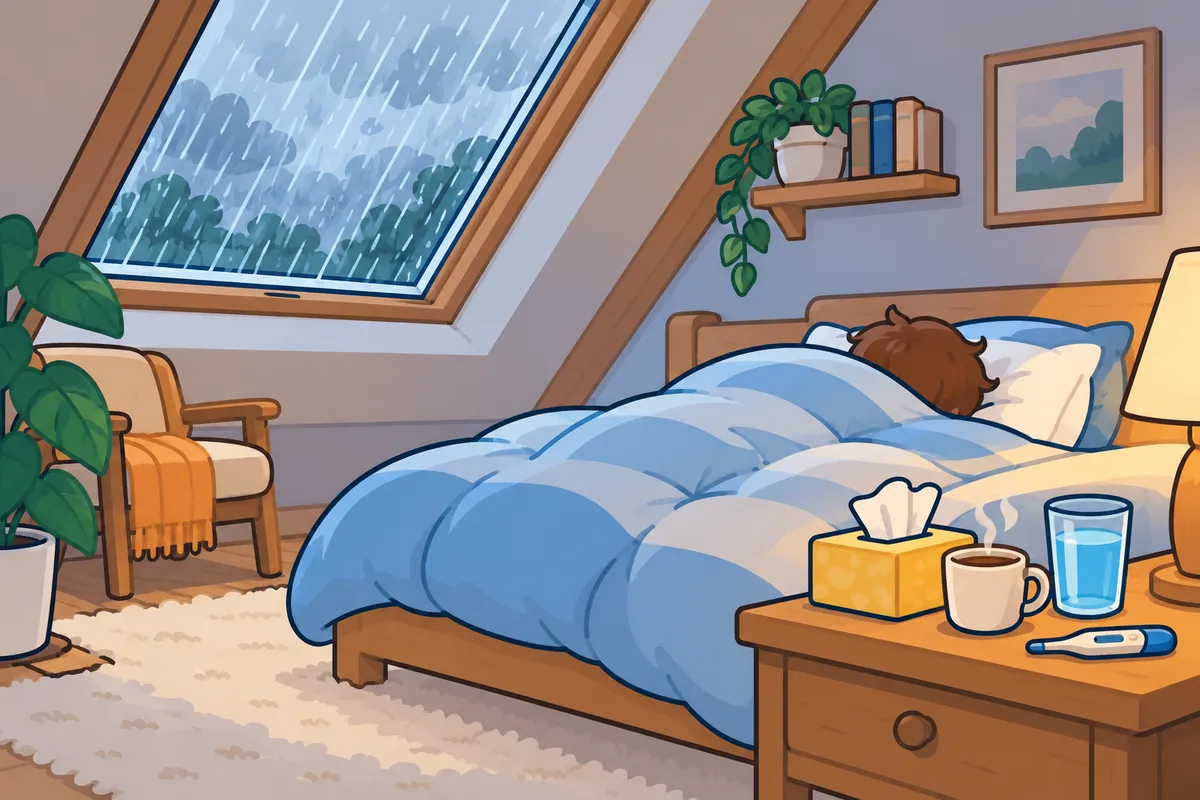
Yes, short sleep makes colds more likely, and it weakens the response to some vaccines. In a study that gave volunteers a cold virus on purpose, people who slept under 6 hours the week before had about four times the odds of falling ill compared with people who slept more than 7.
Sleep cannot stop a virus at the door, and one rough week will not decide your winter. The studies below show how much sleep matters, around which numbers, and when a doctor is the better next step.
How Do Sleep and the Immune System Work Together?
In both directions. Sleep supports the body's defenses, and fighting an infection changes how you sleep. Three points from the sources:
- A 2019 review in Physiological Reviews found that sleep "is associated with a reduced infection risk" and can improve how an infection turns out and how well vaccines work.
- The NIH puts it in everyday terms. Ongoing sleep deficiency "can change the way your body's natural defense against germs and sickness responds," the NHLBI explains, so "you may have trouble fighting common infections."
- Timing plays a part too. Parts of the immune system "become more active at different times of day," the NHLBI's page on why sleep matters notes, "that is why people who do not sleep enough may be more likely to get colds and other infections."
Does Lack of Sleep Weaken Your Immune System?
Yes, measurably. In a 2015 study, 164 healthy adults wore wrist sleep trackers for a week and then received cold virus drops in their noses; those who slept under 5 hours had 4.5 times the odds of developing a cold compared with those who slept more than 7.
Two details make this study stronger than most:
- The researchers measured sleep with wrist actigraphy instead of asking people to remember.
- The link held after accounting for prior antibodies, age, season, body weight, stress and health habits.
The cut-off sits at 6 hours. People sleeping 6 to 7 hours were at no clearly greater risk than the 7-plus group, while everyone below 6 had about four times the odds of falling ill.
What This Study Cannot Tell You
It shows a strong link in 164 people, not proof that adding an hour will stop your next cold. The volunteers were healthy adults aged 18 to 55, and a cold counted only when infection came with objective signs of illness, so the numbers do not carry over to flu or to children.
Does Sleep Quality Matter as Much as Hours?
Hours are the safer thing to protect, and efficiency may add to the risk. Two trials bear on it:
- An earlier trial from the same research line, by Cohen and colleagues in 2009, had 153 adults keep a sleep diary for 14 days before the virus drops. Those who slept under 7 hours were 2.94 times as likely to get a cold as those who slept 8 or more.
- The same trial found that sleep efficiency, the share of time in bed spent asleep, mattered too: people under 92 % were 5.5 times as likely to catch a cold as people at 98 % or more.
- The 2015 study, which used wrist trackers, found broken sleep unrelated to colds once hours were counted, so the two studies do not agree on quality.
Does Sleep Help Vaccines Work Better?
Yes, in the human studies the 2019 review describes. Sleep in the night after a vaccine and in the days around it raises the antibody response, and in some studies that difference decided whether people were protected.
| Study design in the review | What happened |
|---|---|
| 4 hours in bed for 4 nights before and 2 after a flu vaccine | Antibodies at 10 days were less than half those of people with usual bedtimes |
| One night without sleep after hepatitis A, hepatitis B or swine flu vaccines | A weaker antibody response than in people who slept |
| One study of sleep vs no sleep after the jab | 3 people in the awake group needed an extra dose to reach protection; every sleeper had enough |
| Hepatitis B, sleep measured with wrist trackers | Each extra hour of sleep went with about 50 % more antibodies |
Source: Besedovsky, Lange and Haack, 2019.
On average, the review says, sleep "doubled the response to vaccination" compared with being awake or short of sleep. Some studies found no difference 4 weeks after the jab, and one found the effect still there a year later.
How Many Hours Count Around a Jab
The hepatitis B study gives the clearest numbers for ordinary life. Researchers grouped people by their sleep in the 7 days around the first of three doses:
- Less than 6 hours a night
- 6 to 7 hours a night
- More than 7 hours a night
Each extra hour went with about 50 % more antibodies after the later doses, and short sleepers less often reached protection after the last one. The review notes that sleep around the first dose did not change the first response, only the responses to the later doses.
Why Do You Sleep More When You Are Sick?
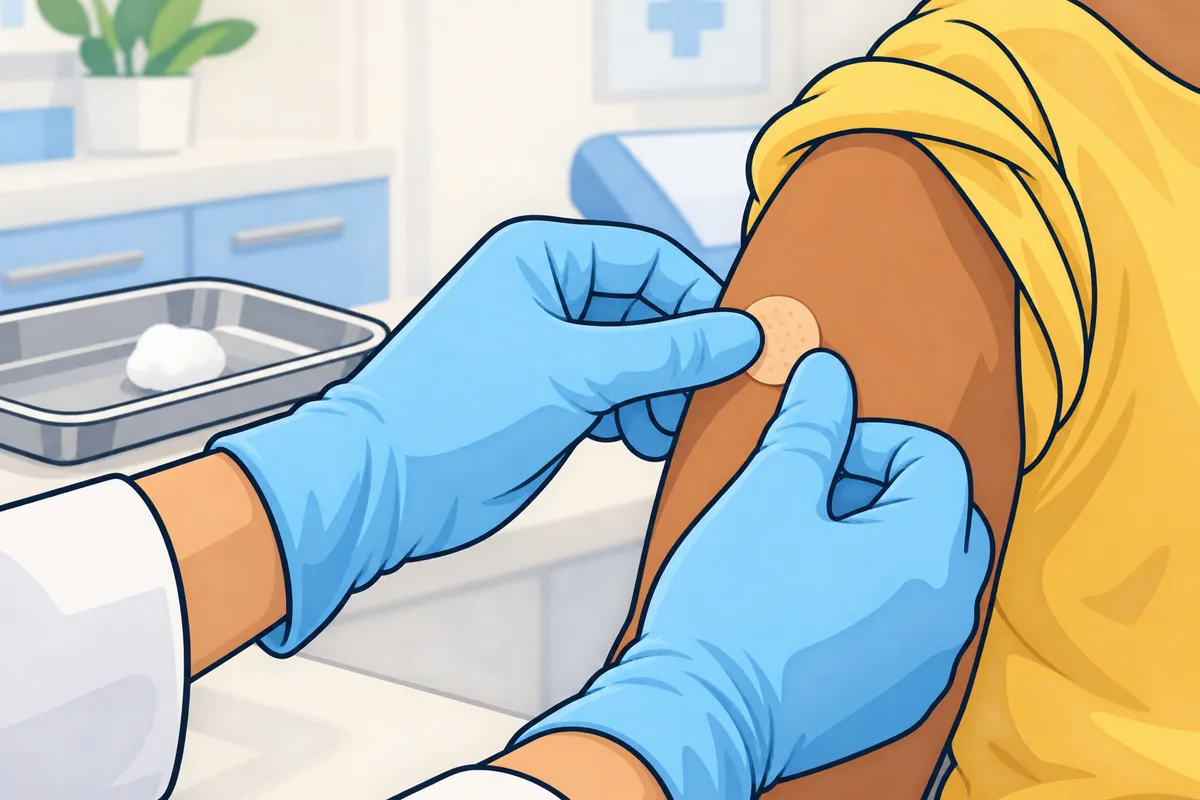
Because your immune system asks for it. Fighting a germ triggers an inflammatory response that "can induce an increase in sleep duration and intensity, but also a disruption of sleep," the 2019 review explains, and the extra sleep is thought to feed back to help the body's defense.
That is why a fever leaves you dozing on the sofa at noon. The NHS lists "get plenty of rest" among the things to do with a cold, so sleep when you feel sleepy instead of pushing through with coffee.
Does Sleep Deprivation Cause Inflammation?
Over time, it seems to. Prolonged sleep deficiency, such as short sleep or disturbed sleep, "can lead to chronic, systemic low-grade inflammation," the review says, and ties in with diseases that have an inflammatory side:
- Diabetes
- Atherosclerosis
- Neurodegeneration
Without an infection, sleep appears to keep inflammation in balance through inflammatory mediators such as cytokines. That is one reason the list of problems tied to short sleep reaches from the immune system to the heart.
NINDS sums up the long-term picture the same way: chronic sleep deprivation is linked to higher odds of weight gain, stroke and other long-term disease.
How Quickly Does Sleep Loss Affect the Immune System?
Within days. In the 2015 cold virus study, sleep was measured for just one week before the virus dose, and the link to colds was already clear. The earlier 2009 study measured sleep for 14 days, and both found the effect at about the same threshold: under 6 to 7 hours a night.
The vaccine studies show even faster effects:
- In the hepatitis A study the 2019 review describes, a single night without sleep after the jab weakened the antibody response.
- The flu-vaccine study used only 4 nights of 4 hours each, and those volunteers produced less than half the antibodies of people who slept normally.
Does Catching Up on Sleep Restore Immunity?
Partly. The 2019 review notes that in one hepatitis B study the effect of short sleep around the first dose still showed as weaker antibodies after the third dose, months later. For colds, neither study tested whether a recovery week erased the risk.
A week of full sleep likely brings cold risk back down, but vaccine antibodies may not fully recover.
How Should You Sleep Around a Vaccine?
Normally, and fully, especially the night after. The studies that found the biggest effects compared a good night's sleep straight after the jab with staying awake or cutting sleep short, so avoid booking a vaccine before any of these:
- A night shift
- A red-eye flight
- An all-nighter
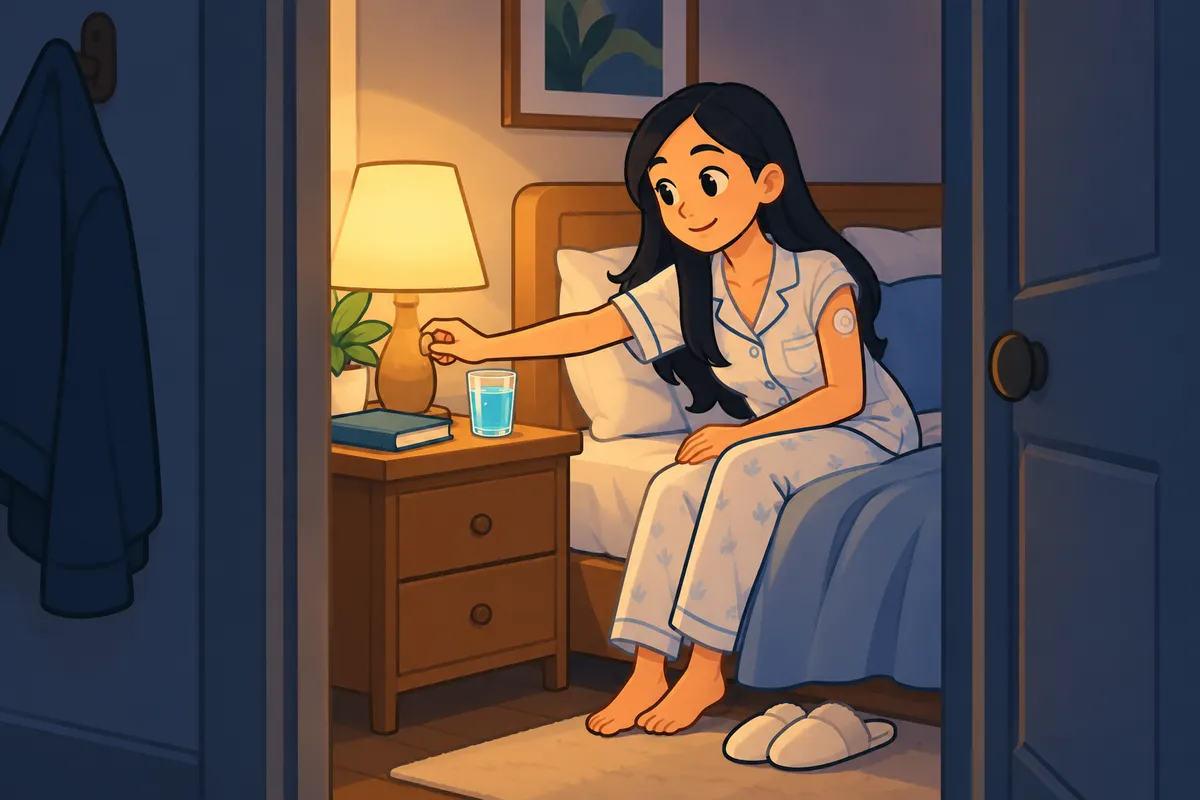
The same logic applies to cold season. If you know a busy month is coming, protect 7 hours a night through it, since the virus study's risk climbed sharply below 6 hours.
When Does a Cold Need a Doctor, Not More Sleep?
Sleep supports your defenses but cannot replace vaccines or treatment. The NHS says a cold should start to improve within 1 to 2 weeks, and it lists the signs that call for a doctor instead of more rest.
Guarding Seven Hours Through Cold Season
Four habits carry what the studies found into an ordinary winter week.
The cold-season checklist
4 items- Count back 7 hours from your alarm and set a wind-down reminder an hour before
- Book vaccines on a day when you can sleep normally that night
- On sick days, let yourself sleep; skip the coffee that would keep you working
- Watch for weeks under 6 hours a night, the point where colds became far more likely
Seven hours is the adult line in these studies. A child or teen needs more, and the CDC's age-by-age hours are laid out in the sleep guide.
General information for healthy adults, not medical advice. If a doctor has set your fluid amount, follow that.
More in Sleep and Recovery
Sources
- SLEEP journal (Prather and colleagues). Behaviorally assessed sleep and susceptibility to the common cold, 2015.
- Archives of Internal Medicine (Cohen and colleagues). Sleep habits and susceptibility to the common cold, 2009.
- NHS. Common cold, 2024.
- Physiological Reviews (Besedovsky, Lange and Haack). The Sleep-Immune Crosstalk in Health and Disease, 2019.
- National Heart, Lung, and Blood Institute (NIH). How Sleep Affects Your Health, 2022.
- National Heart, Lung, and Blood Institute (NIH). Why Is Sleep Important?, 2022.
- National Institute of Neurological Disorders and Stroke (NIH). Brain Basics: Understanding Sleep, 2025.
- Centers for Disease Control and Prevention. About Sleep, 2024.
Sources checked by the Glubbo Editorial Team on Oct 19, 2026. General information, not medical advice. How we write and check our guides.

